
Get Free Bathroom Installation

Get Free Bathroom Installation

  • 18 Months
  • 0% Interest
  • Less than $75/month

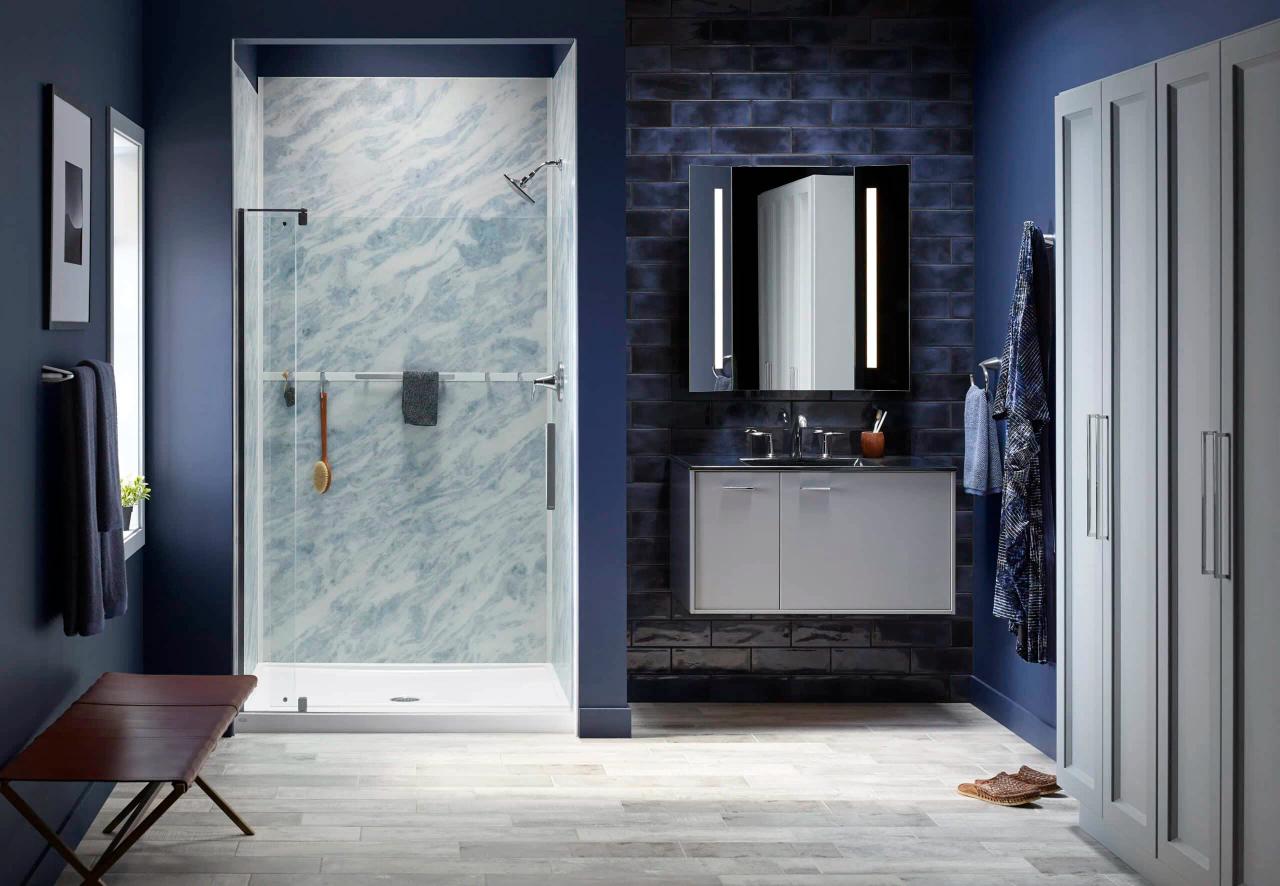
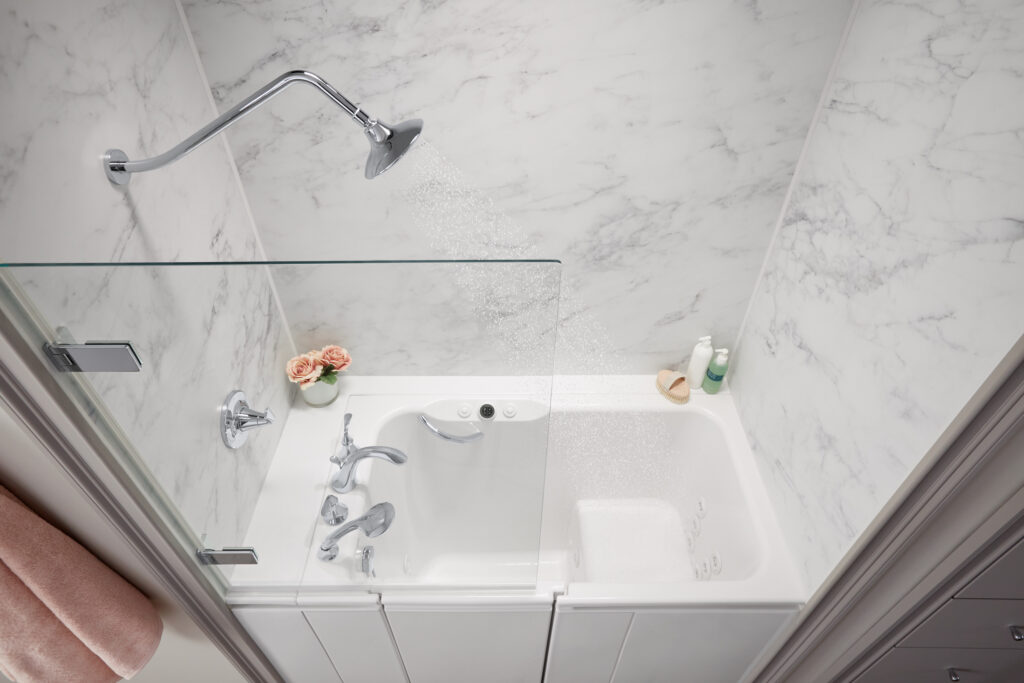
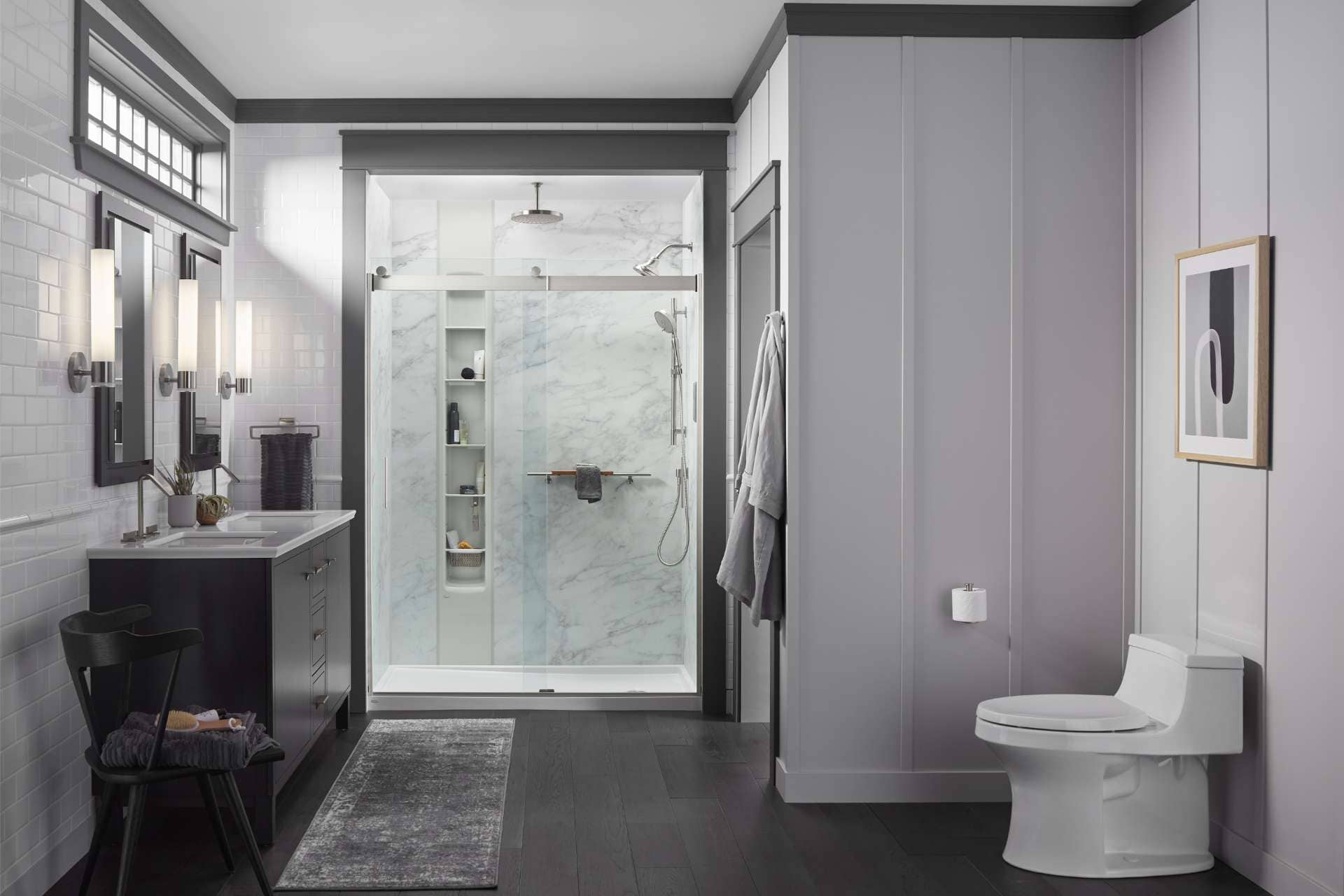
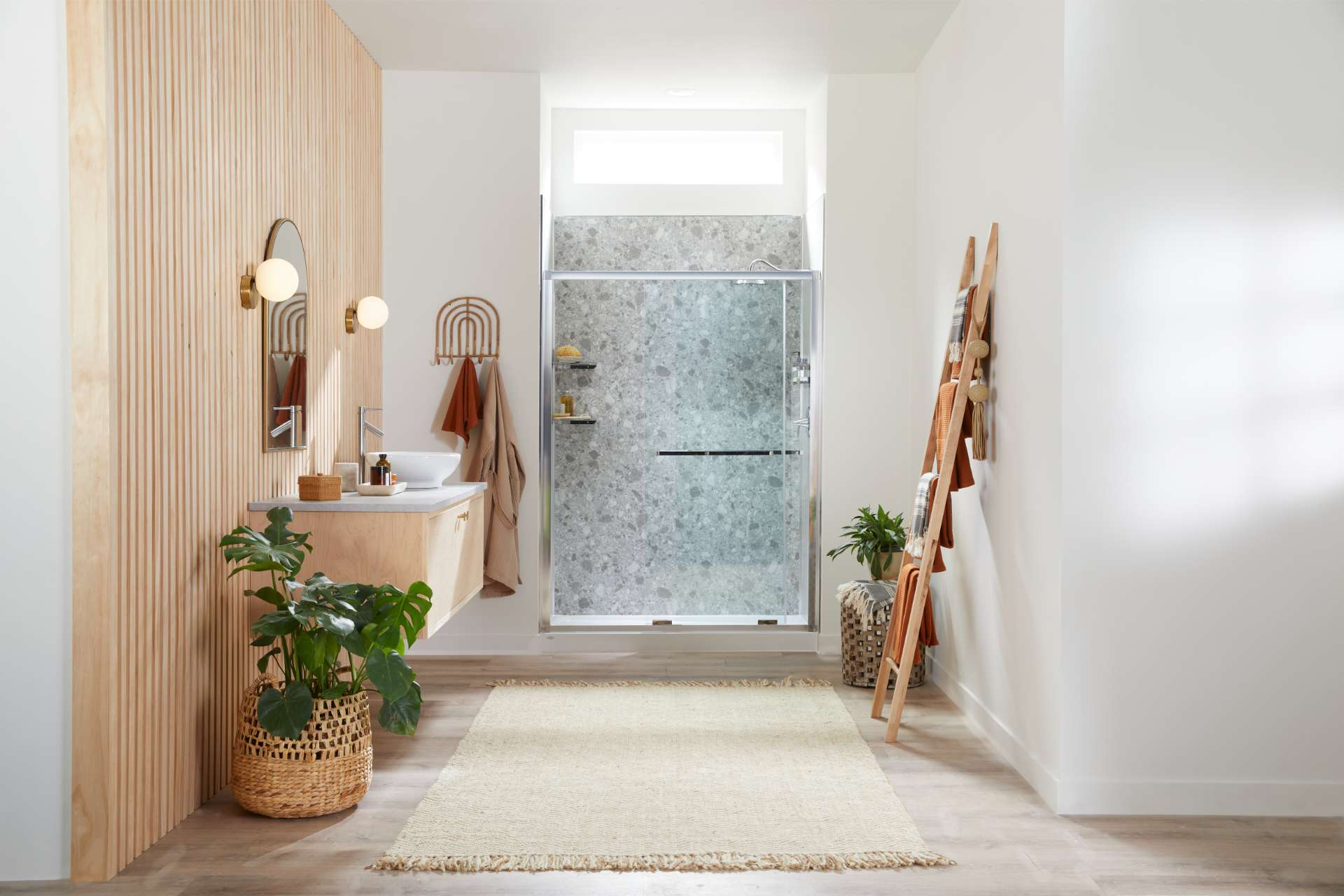
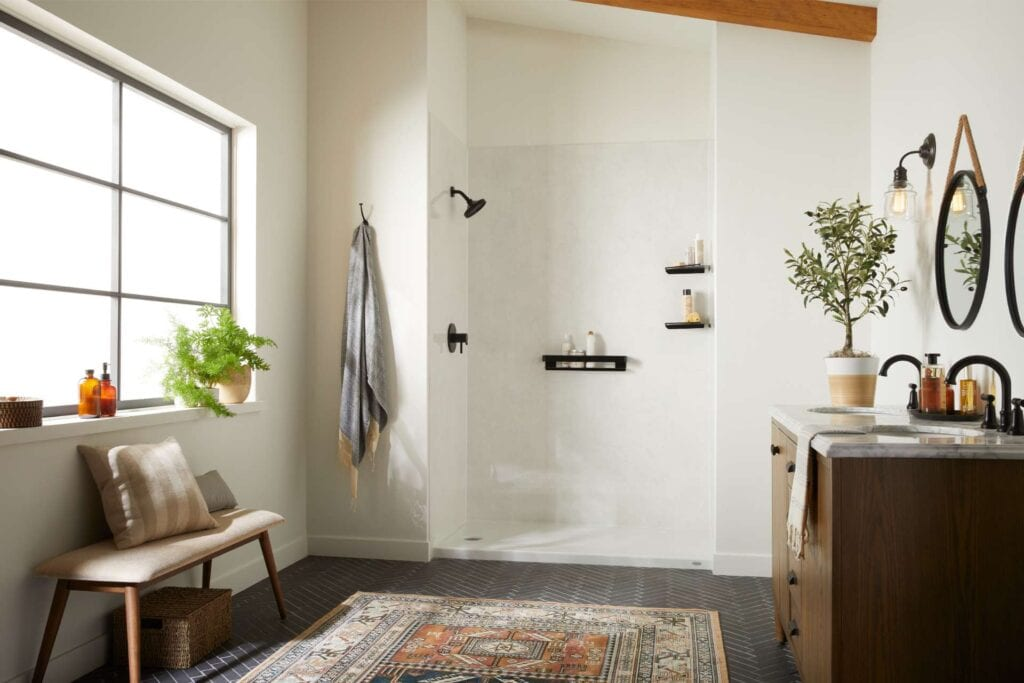
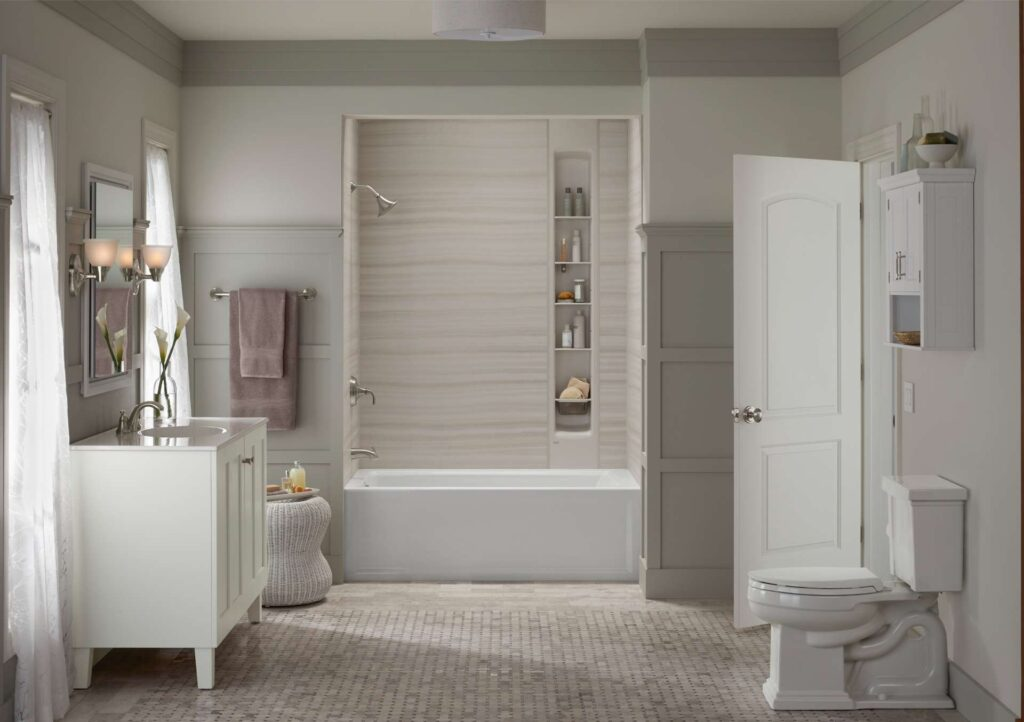
Many homeowners like the idea of shower surrounds because they simplify cleaning and eliminate endless grout lines. The question that often comes next is whether the new panels can go directly over the walls that are already in place. Since most homes use drywall throughout, it is natural to ask if installing a shower surround over drywall is safe, efficient, and code compliant.

However, drywall behaves differently in wet spaces than in dry rooms. Inside a tub or shower area, water and steam repeatedly hit the walls. That exposure quickly reveals whether the material behind the surround is capable of handling moisture. Before jumping into a project, it helps to understand how drywall responds to water, why better substrates exist, and where drywall still has a role in modern bathrooms.

Why Standard Drywall Struggles In Shower Areas

Standard drywall is made of a gypsum core wrapped in paper. Both components absorb moisture easily. In a shower, that moisture can come from direct spray, condensation, or small leaks at seams and fixtures. Over time, the result is soft, swollen, or discolored walls. This is what most people mean when they talk about failed shower drywall.

Typical problems with using ordinary drywall for shower walls include:

  • Soft or crumbly sections behind the surround
  • Bulging or uneven wall surfaces that cause panels to pull away
  • Mold or mildew growth behind the panels
  • Damage to framing as moisture migrates into studs and insulation

These failures often remain hidden until a remodel uncovers them. By then, the substrate is no longer structurally reliable, which makes it a poor candidate for supporting new panels.

Is It Ever Acceptable To Install A Surround Over Drywall?

In many older bathrooms, drywall was installed everywhere, then tile or panels were added over top. The presence of drywall alone does not automatically mean the wall must be rebuilt, but it does mean the wall needs careful evaluation before installing a shower surround.

You may encounter one of these three situations:

  1. Standard drywall with visible damage
    Soft spots, staining, or mold are clear signs that the material has taken on water. In this case, the question of installing a surround over drywall is answered quickly. Both the drywall and any damaged insulation must be removed and replaced.
  2. Standard drywall that looks intact
    Even when the surface looks solid, there can be hidden damage inside. Pro remodelers often probe areas around plumbing penetrations and along seams to check for movement. If the wall flexes or flakes, it is not a reliable substrate.
  3. Moisture-resistant drywall
    Some bathrooms were built using products designed for humid conditions. These boards resist occasional moisture better than standard drywall, but they still are not the first choice for continuous water exposure.

From a long-term durability perspective, the safest path for a shower and tub surround or dedicated shower system is to rebuild the immediate wet area with a more robust substrate rather than relying on drywall.

Service technician installing a shower

Better Backing Materials For Shower Surrounds

Modern systems are designed around stable, water-resistant backing boards that maintain their shape when exposed to moisture. These substrates provide a better foundation for both the shower base and walls and the panel system above.

Common options include:

  • Cement backer board: Dense, rigid, and water stable, often used where longevity is a priority.
  • Moisture-resistant backer boards: Engineered to handle humid environments more reliably than basic drywall.
  • Composite or foam backer panels: Lightweight, waterproof boards that integrate easily with modern waterproofing systems.

These materials are used behind everything from simple inserts to more complex layouts. They perform especially well in areas where drywall around tub edges or corners has historically been prone to damage.

How Surrounds Tie In With Pans, Tubs, And Walls

A successful installation depends on the relationship between the base, the walls, and the surround. Many homeowners who start out researching how to install a shower surround or looking at guides for installing a shower pan quickly learn that the transition between the horizontal and vertical surfaces is where leaks tend to happen.

Typical considerations include:

  • Ensuring the pan or tub is properly supported and leveled
  • Confirming the flange is integrated with the wall substrate
  • Making sure panels overlap the flange correctly and are sealed at joints
  • Avoiding gaps at plumbing fixtures and corners

All of these steps assume the substrate behind the panels is flat, stable, and unaffected by moisture. Trying to mount panels over soft or irregular drywall around shower edges leads to poor fit and premature failure.

When Drywall Must Be Removed

Even when the goal is to keep demolition minimal, certain conditions require taking drywall out of the equation. Drywall should be removed in the surround area when:

  • The wall feels spongy or flexible under light pressure
  • There is visible mold, mildew, or staining
  • The surface is crumbling, flaking, or bubbled
  • There is a history of leaks or recurring caulk failure

These symptoms indicate that the existing drywall around shower surround sections have already been compromised. New panels placed over damaged material will not correct the underlying problem.

Once damaged drywall is removed, a remodeler can inspect the framing, insulation, and plumbing, then rebuild the wall assembly using a more appropriate backer before installing the new surround.

newly installed shower surround

How Renuity Approaches Shower Surround Projects

Renuity focuses on the tub and shower area of the bathroom, where wall substrates and water management matter most. Rather than trying to preserve questionable drywall in wet zones, projects are planned around durable backer materials, tested waterproofing methods, and modern panel systems.

Homeowners researching broader tub and shower upgrades can review our bathroom remodeling options. For those who want to understand the process in more depth, the installation page walks through how trained teams conduct projects.

If you are exploring different wall and enclosure options, our replacement showers page highlights low-maintenance shower configurations that pair durable surround panels with compatible bases. In some service areas, homeowners can also consider shower enclosures, which combine engineered glass doors and panels designed for reliable performance.

To compare this situation with tile-backed walls, you can read our guide on whether you can install a shower surround over tile, which discusses how existing surfaces affect remodel decisions. For clarity on enclosure terminology, what is the difference between a shower cubicle and a shower enclosure breaks down how various layouts and door systems work.

Homeowners can request a free estimate tailored to their project or reach out through our contact us page to get a free estimate scheduled.

FAQs

Can I leave drywall in place if it looks fine behind the old surround?
It may be possible, but it requires thorough inspection. Any softness, staining, or past leak issues are strong indicators that replacement with a more appropriate substrate is safer.

What backing material is most reliable behind a new surround?
Cement board and composite backer panels are widely used because they maintain structural integrity in wet environments and support a wide range of surrounds and inserts.

Is moisture-resistant drywall alone enough behind a surround?
Products marketed for humid spaces perform better than basic drywall, but they still work best when used with additional waterproofing and nonporous panels in the immediate shower area.

Do I always need to replace the shower pan when I replace the walls?
Not always. However, when both the walls and base are aging, rebuilding the full assembly at once often provides a more consistent and longer-lasting result.

Are surrounds suitable for combined shower and tub setups?
Yes. Surround panels are commonly used with combination units where a tub and shower share the same alcove. The key is making sure the base, walls, and surround are all compatible and properly integrated.

About the Author

Picture of Francheska Arcas

Francheska Arcas

As a content manager at Renuity, Francheska spent nearly two years helping homeowners discover the possibilities of transforming their spaces. Renuity is a leader in home remodeling, specializing in everything from windows and doors to bathrooms and home storage solutions, and she’s proud to be part of a team that prioritizes quality, innovation, and customer satisfaction. She graduated from Florida International University with a double major in International Business and Marketing, ranked among the top programs in the nation. Her passion for home improvement runs deep—since childhood, she’s been inspired by watching HGTV and seeing the magic of remodels come to life. Now, she channels that passion into connecting readers with ideas, tips, and solutions to create homes they love.

Recent Posts

close-up of a showerhead
Dealing with Water Hardness Levels in Las Vegas, NV: Why Stain Removers Fail
What 1,000 Americans Really Think About Long-Term Homeownership
bathroom window winter
National Bath Safety Month 2026: New Standards for Senior Bath Safety Products

A Company You Can Trust

Renuity is backed by top industry ratings and trusted by homeowners nationwide for quality, service, and reliability.

Current Offers

Offer expires:
0 d
0 h
0 m
0 s

Get Free Bathroom Installation

Claim Offer