
Take 70% Off Roof Installation

Take 70% Off Roof Installation

  • 18 Months
  • 0% Interest
  • Less than $75/month
aerial view of a neighborhood

The average roof replacement cost in the U.S. varies widely depending on materials, labor, and location. While the investment may seem substantial, understanding the factors that determine these costs is essential for smart planning and long-term financial stability.

Roofing replacement is always a critical home upgrade; knowing what to expect simplifies the process. Renuity is an experienced roofing company dedicated to providing quality installation and clear, cost-effective solutions. We break down the factors that impact costs and share practical tips for savings without sacrificing necessary quality or compliance.

Preparation ensures you make confident, financially intelligent decisions for your home’s protection.

Factors That Affect Roof Replacement Cost

Several factors, including the type of material chosen, the size and complexity of the structure, and local regulations, affect the final cost of a roof replacement.

Material

The choice of roofing material is one of the most significant cost drivers, reflecting durability, weight, and lifespan:

  • Asphalt shingles: Affordable, durable, and widely used, typically lasting 15 to 30 years.
  • Metal roofing: Long-lasting (40 to 70 years) and energy-efficient, offering excellent wind resistance.
  • Clay tiles: Energy-efficient and fire-resistant, known for impressive longevity (50 to 100 years).
  • Slate tiles: A luxurious and extremely durable option with a lifespan often exceeding 100 years.
  • Wood shake: Offers a distinct aesthetic but requires higher maintenance.

roofing tools

Size

Roof size directly correlates to the material volume and labor hours required. Replacing a roof on a multi-story home is typically more costly than on a single-story structure due to increased staging difficulty and safety requirements.

Roof Complexity

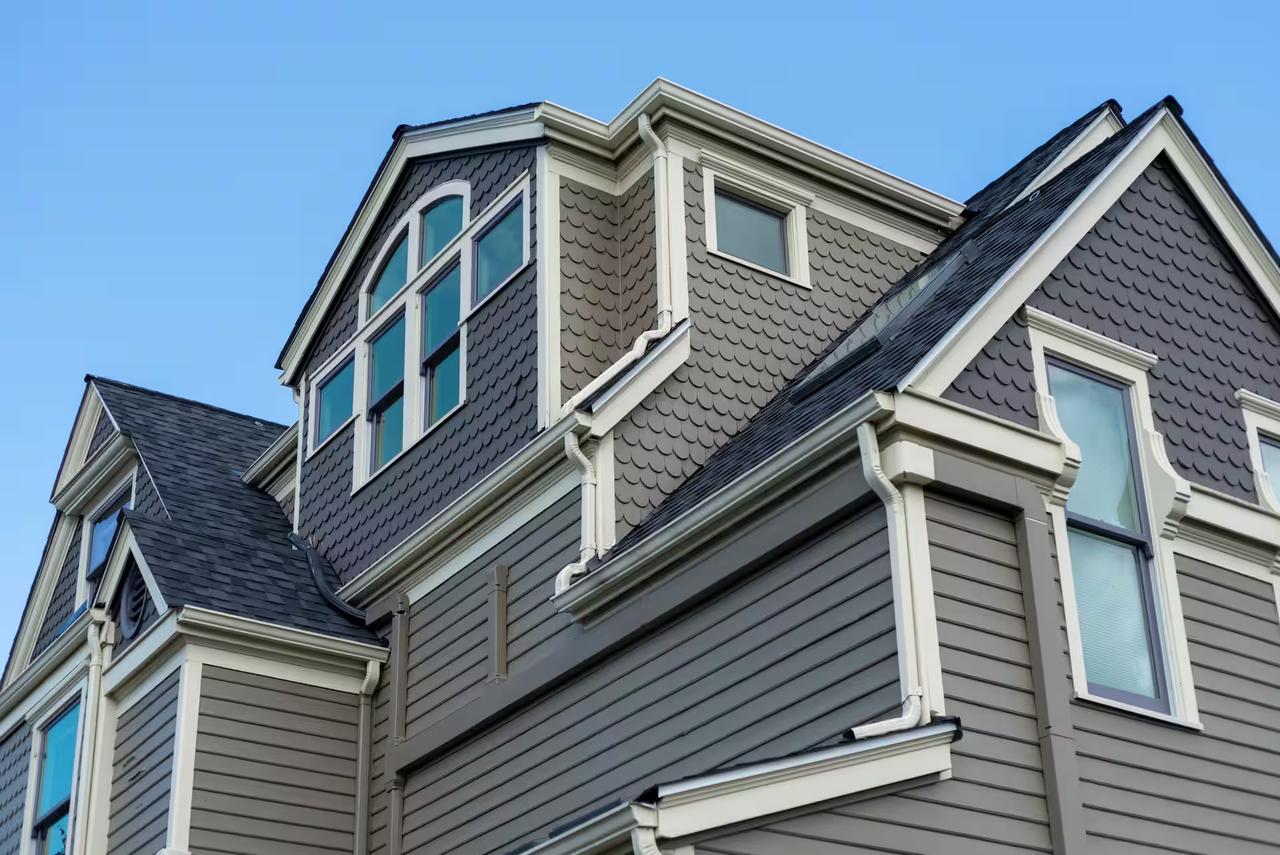
Steep roof pitches, multiple angles, or architectural features like dormers and skylights increase the complexity—and therefore the cost—of the replacement. A roof with multiple planes requires specialized labor and safety protocols, adding to the time and expense.

For example, steep roofs are common on many Florida homes to manage high rainfall runoff. These designs demand more specialized labor and additional materials, leading to costs that can be up to 20% higher than those for a simpler roof structure. This expenditure ensures safety and proper installation performance.

Location

Geographic location is a major cost variable. In Florida, strict building codes are enforced to ensure roofs can withstand hurricanes and high winds. Requirements for underlayment, sheathing attachment, and wind resistance are often more stringent than in other states, leading to increased material and labor costs.

Conversely, in states like Colorado, the absence of a statewide building code means regulations vary significantly by municipality, impacting costs. Local labor rates, particularly in major urban centers, also contribute significantly to the total project price.

Time of Year and Urgency

Contractor demand peaks during the summer and fall. Scheduling your project during the off-peak season—winter or early spring—can often result in lower labor costs and faster scheduling. However, emergency repairs following a severe weather event incur premium fees due to urgent demand.

roofers

Additional Costs to Consider

  • Permits and inspections: Required in most areas to ensure code compliance, typically ranging from $120 to $500.
  • Old roof removal (Tear-off): Removing the existing roof structure can cost $1,000 to $1,500, especially when multiple layers are present.
  • Structural repairs: Unforeseen damage, such as wood rot or decking deterioration, must be addressed for proper installation. These repairs can add between $1,000 and $10,000 or more, but they are crucial for the long-term integrity of the structure.

Where Can You Save Money on Roof Replacement?

Cost reduction must be implemented strategically without compromising quality or safety. Scheduling the work during off-peak seasons is a direct way to reduce labor expenses.

Material selection is also a key factor. While options like slate are aesthetically high-end, durable, well-rated materials such as asphalt shingles provide excellent performance at a more accessible price point. If the existing roof deck is structurally sound, layering a new roof over the old one can save on tear-off and disposal costs, though local codes often restrict this practice.

However, quality of labor is not an area for cost-cutting. Hiring experienced, professional contractors ensures the roof is installed correctly, meets all local building codes, and provides long-lasting protection. Skimping on quality components like flashing and underlayment can lead to leaks and structural damage, resulting in significantly higher repair costs later.

Prioritizing a contractor who offers a strong product and labor warranty is a worthwhile investment, providing necessary confidence and financial protection against unforeseen defects.

Roof Replacement Options

Roof Replacement vs. Roof Repair

The choice between repair and full replacement depends on the extent and age of the damage. Roof repair is appropriate for minor issues, such as isolated leaks or missing shingles, typically costing between $360 and $1,550. Full roof replacement is necessary for widespread damage, terminal aging, or when upgrading materials is required for compliance or performance.

DIY vs. Professional Roof Replacement

While DIY attempts offer theoretical savings on labor, the risks are substantial. Safety is a primary concern. Furthermore, without professional installation, material warranties are often voided, and the complexity of ensuring compliance with local codes is often underestimated.

Choosing the Right Professionals for Roof Replacement

Selecting the correct contractor is the single most critical factor for the long-term success of your project.

  • Evaluate experience and reputation by reviewing a contractor’s history of high-quality results.
  • Verify all required certifications and licensing to ensure adherence to state regulations and industry standards.
  • Demand transparent pricing: obtain a detailed quote that itemizes labor, materials, and potential additional costs.
  • Prioritize contractors who provide comprehensive warranty coverage on both materials and workmanship.

Renuity is a trusted remodeling provider in Florida specializing in roofing installation. Our teams prioritize safety, efficiency, and high-quality results, ensuring reliable protection for your home.

contractor installing a roof

Comprehensive Home Remodeling Services in Florida

While our focus here is on roofing, Renuity offers a range of high-performance exterior and interior services across Florida. These services include replacement windows, secure door installation, kitchen cabinet refacing, and bathroom remodeling.

How Do I Estimate the Cost of a New Roof?

Estimating the cost requires a methodical approach, starting with the basics: your preferred materials, the size and complexity of your roof structure, and specific local factors like labor rates and building codes. Online estimators can provide a preliminary range, but an accurate estimate requires a professional contractor.

With Renuity, a specialist will conduct an on-site inspection to assess unique features, pitch, and any necessary preparatory work, such as old material removal. By factoring in current local costs, the professional can provide a realistic, comprehensive number. Combining expert assessment with your material research ensures confident planning, balancing budget constraints with the required durability and aesthetic. Contact us today to get started on your free roofing consultation.

FAQ

How do I calculate roof replacement cost?

The calculation involves determining the total roof square footage. Multiply the area by the installed cost per square foot for your chosen material (e.g., asphalt shingles, metal, or tile). Then, add labor costs, which typically account for 40-60% of the total, plus any fees for permits, tear-off, and disposal. Always consult a professional roofing contractor for a finalized, accurate estimate.

How often do roofs need to be replaced?

Lifespan varies significantly by material. Asphalt shingles offer an affordable, moderately durable solution lasting 15 to 30 years. Metal roofs, due to their robust construction, are considered a long-term investment, enduring for 40 to 70 years. Slate and tile roofs provide the longest lifespan, boasting 50 to 100 years or more of reliable protection.

About the Author

Picture of Francheska Arcas

Francheska Arcas

As a content manager at Renuity, Francheska spent nearly two years helping homeowners discover the possibilities of transforming their spaces. Renuity is a leader in home remodeling, specializing in everything from windows and doors to bathrooms and home storage solutions, and she’s proud to be part of a team that prioritizes quality, innovation, and customer satisfaction. She graduated from Florida International University with a double major in International Business and Marketing, ranked among the top programs in the nation. Her passion for home improvement runs deep—since childhood, she’s been inspired by watching HGTV and seeing the magic of remodels come to life. Now, she channels that passion into connecting readers with ideas, tips, and solutions to create homes they love.

Recent Posts

What Are Signs It’s Time to Replace an Old Bathtub?
Can You Install a Shower Surround Over Tile?
duct taped window
Why You Should Never Tape Windows for Hurricane Prep (and What Works Instead)

A Company You Can Trust

Renuity is backed by top industry ratings and trusted by homeowners nationwide for quality, service, and reliability.

Current Offers

Offer expires:
0 d
0 h
0 m
0 s

Take 70% Off Roof Installation

Claim Offer