Trusted By Over 250,000 Customers!
No Interest, No Payments for 12 months on Select Products
No Interest, No Payments for 12 months on Select Products
In a new survey we conducted with 1,000 Americans, long-term homeownership revealed a mix of optimism, practicality, and growing concern. Our research found that while extended mortgage terms like 30 to 50 years may offer financial flexibility, they also raise questions about maintenance, livability, and comfort over time.
Our collected data indicates that homeowners are planning beyond the initial mortgage and focusing on the long-term viability of their homes. This includes an emphasis on structural repairs, material durability, accessibility, and the eventual need for major updates and replacements in key areas like the kitchen and bathrooms. Survey insights show that this generation of homeowners intends not just to purchase a home, but to remain in it and customize it to suit their long-term needs.
Key Findings:
As homeowners imagine staying in their homes for 30 to 50 years, many are already thinking about how those spaces will need to evolve with them. From our internal study, 55% of seniors said they would be very likely to make mobility or accessibility updates if they were in their homes long-term.
This approach reflects growing awareness of aging-in-place design, not just for homeowners themselves, but for aging relatives and future-proofing for their children. Whether it’s wider doorways, step-free entries, or accessible bathrooms, these updates point to a broader shift toward adaptable, inclusive living environments.

In our recent survey of 1,000 Americans, nearly one in three respondents—29%—shared a critical concern when it comes to ultra-long mortgage terms: the potential burden of structural or foundation repairs over time.
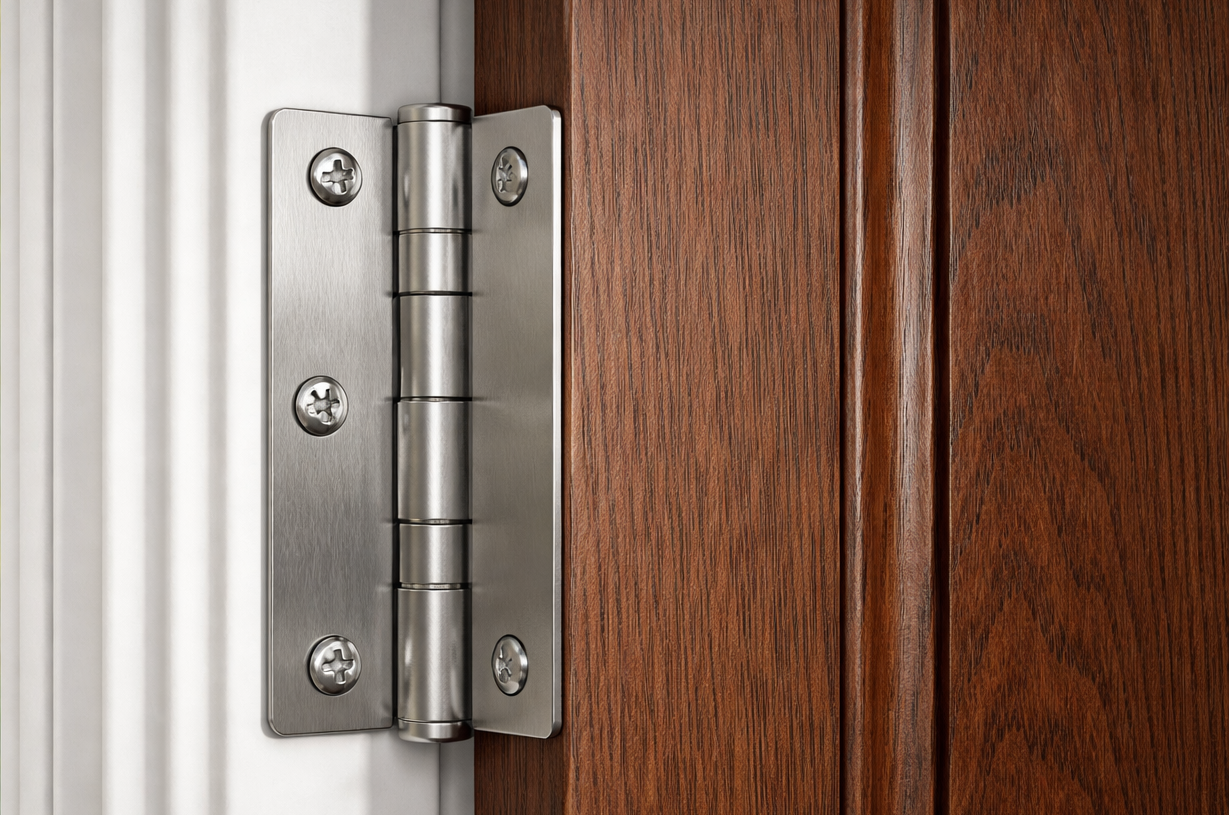
As 40–50-year mortgages gain traction as a tool to improve housing affordability, our findings suggest that while extended terms may ease monthly payments, they also introduce long-range responsibilities, especially as homes age. When a home shifts or settles, window and door frames can become uneven, leading to mechanical failure. This necessitates replacing windows and doors for the affected homeowners.
This level of foresight may reflect a more proactive generation of homeowners, thinking not just about buying, but about maintaining the safety, stability, and value of their investment for decades to come.
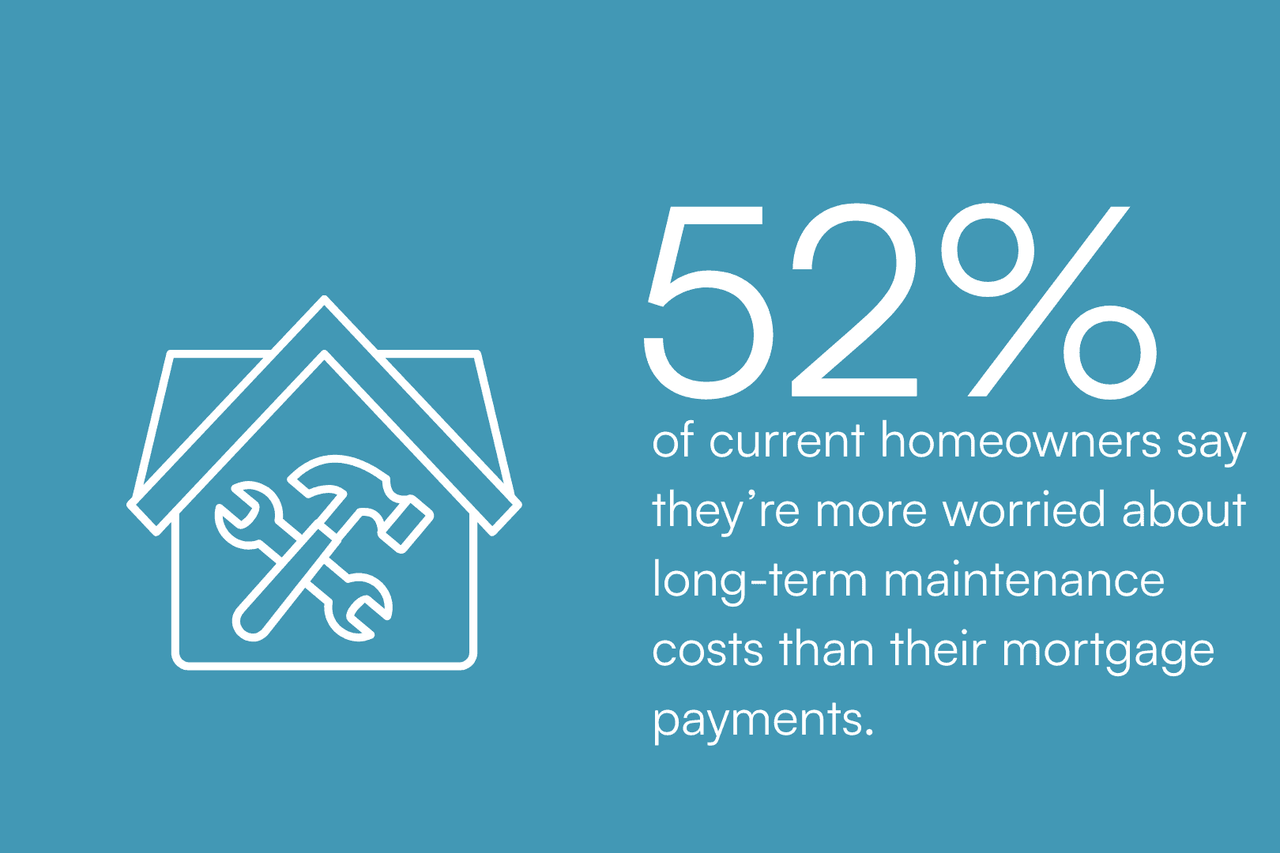
Expanding on concerns around structural integrity, our research reveals another trend: 52% of current homeowners say they’re more worried about long-term maintenance costs than their mortgage payments.
With deteriorating roofs, outdated plumbing, and the rising cost of labor and materials, homeowners no longer view upkeep as incidental. This shift in mindset points to a deeper understanding of what it really means to own a home over time.
For many Americans, the true cost of homeownership lies not in monthly payments, but in the increasing price of preserving the property itself.
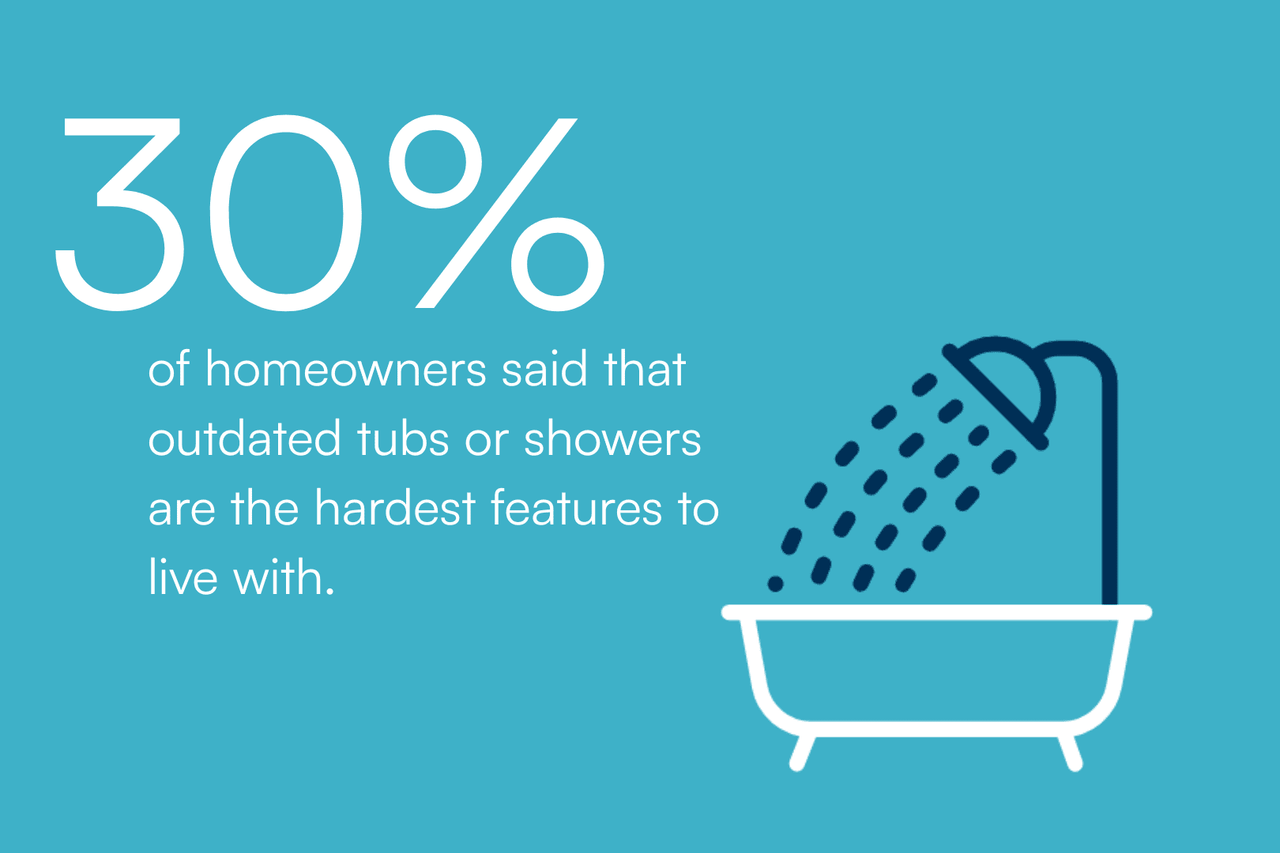
While structural and financial concerns are top priorities, comfort-related challenges remain significant, particularly in older homes. In our recent survey, 30% of homeowners said that outdated tubs or showers are the hardest features to live with.
This response stood out among a wide range of cosmetic and functional complaints. Many respondents cited daily inconvenience, limited functionality, and the high cost of renovation as reasons bathroom upgrades often become a top priority.
Beyond structure and accessibility, the condition of everyday surfaces plays a major role in how livable a home feels over time. According to our analysis, 37% of homeowners said that replacing worn or aging materials such as flooring, countertops, kitchen cabinets, or wall finishes is the most necessary improvement for long-term comfort.
These high-touch elements may not always pose safety risks, but they affect how a home functions and feels. Scuffed floors, cabinets and outdated finishes can erode a home’s sense of warmth and usability.
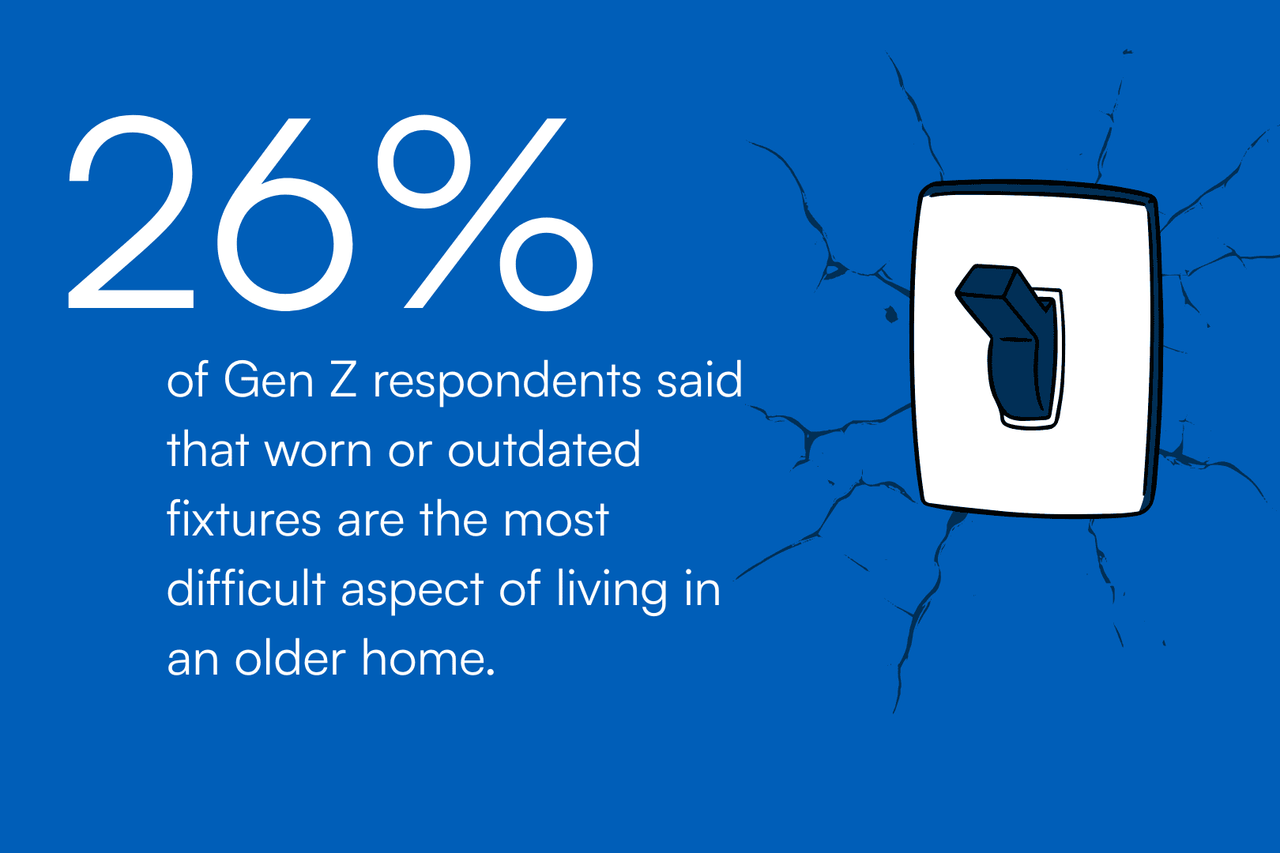
Generational preferences are also shaping how people experience long-term homeownership. From our research, 26% of Gen Z respondents said that worn or outdated fixtures are the most difficult aspect of living in an older home.
While structural and financial concerns remain relevant, younger homeowners are particularly sensitive to the aesthetic and functional details that define a home’s character. For many in this generation, fixtures reflect personal taste and modern living standards.
As Gen Z enters the housing market, these preferences are influencing renovation choices. Even when large-scale remodels aren’t possible, smaller upgrades can help personalize a space and make an older home feel more modern and comfortable.
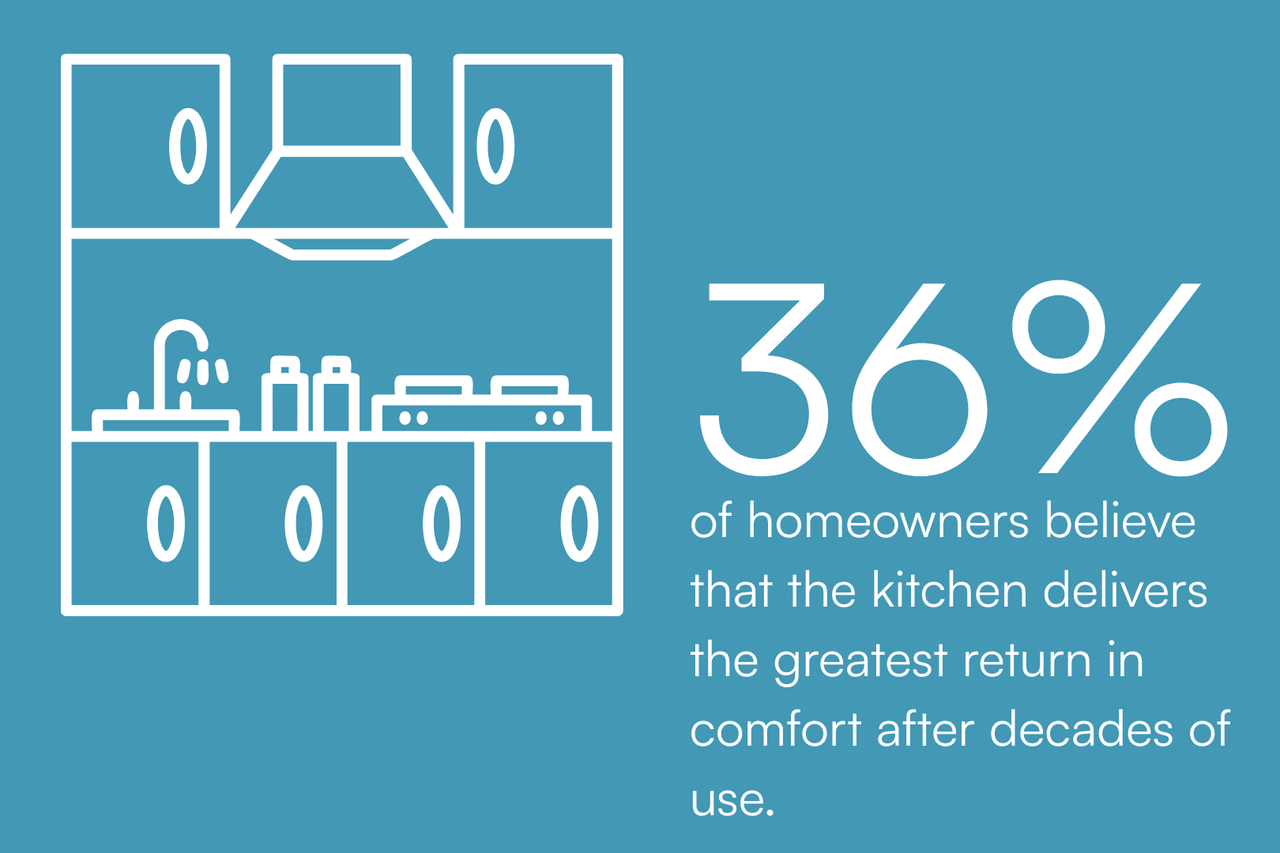
Looking ahead, one space continues to offer long-term value in both function and comfort: the kitchen. According to our findings, 36% of homeowners believe that the kitchen delivers the greatest return in comfort after decades of use.
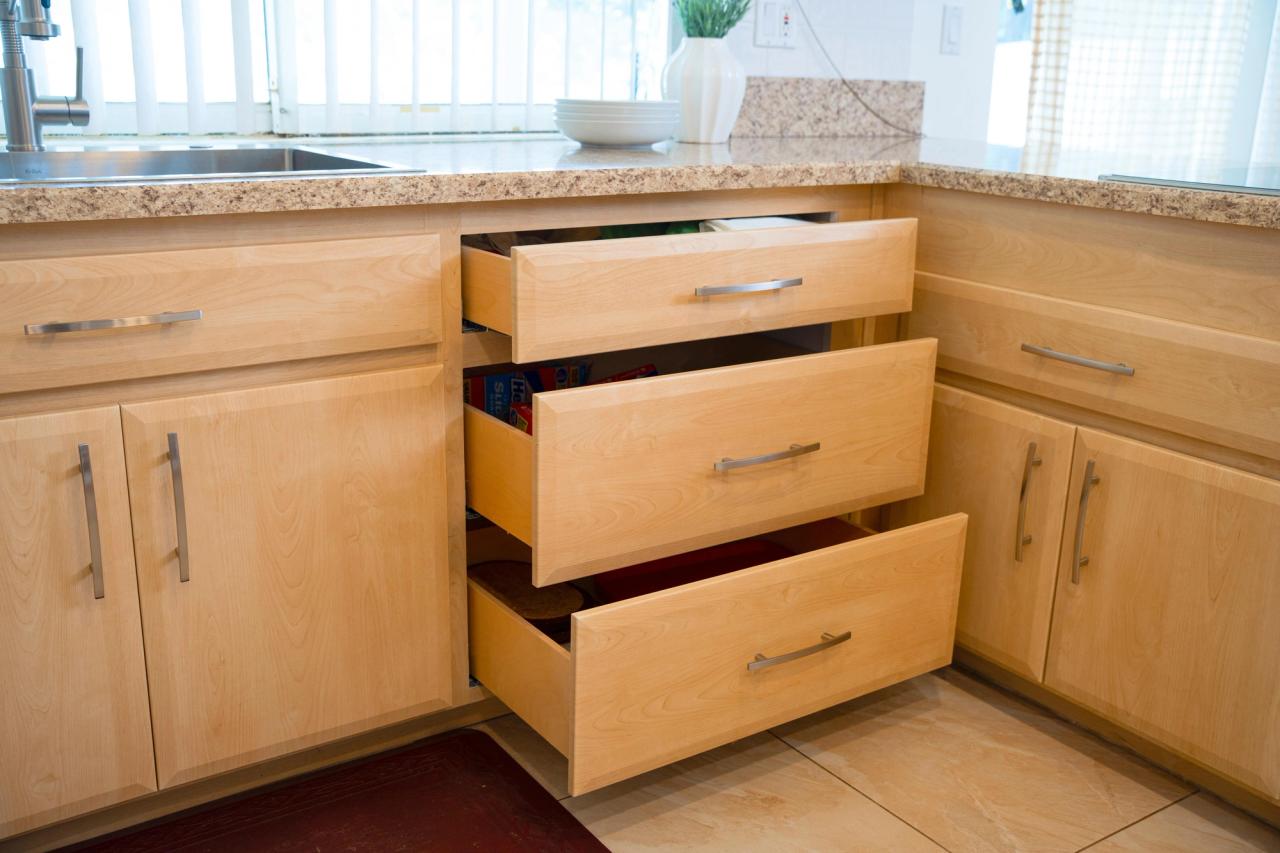
The kitchen is a meaningful investment for homeowners, consistently viewed as the central space for family life, daily routines, and shared experiences, even as appliances and layouts change. This belief goes beyond mere efficiency. For this reason, upgrades like cabinet refacing, pantry improvements, and new windows to increase natural light are effective, cost-efficient alternatives to a complete kitchen renovation. Together, these updates help keep the space organized, bright, and comfortable for everyday use and gathering.
As homeownership stretches across decades, our analysis shows that the kitchen remains one of the most valued spaces in the home.
Our findings paint a hopeful picture of homeownership that’s grounded in both realism and care. From our study, it’s clear that Americans aren’t just planning for where they’ll live—they’re thoughtfully shaping how they’ll live, years and even decades down the line.
Whether it’s updating a bathroom, modernizing fixtures, or reimagining a kitchen that brings people together, homeowners are prioritizing comfort, functionality, and future needs in equal measure.
According to our assessment, this shift reflects more than changing preferences; it reflects a deeper commitment to building homes that grow with us, support our lives, and remain a source of pride and comfort for generations to come.
This report is based on a proprietary survey conducted in December 2025, in which we polled 1,000 Americans across a diverse range of ages, regions, and homeownership statuses. The survey was designed to explore long-term attitudes toward homeownership, affordability, maintenance, and livability. These findings reflect fresh insights into how U.S. homeowners and prospective buyers are thinking about housing in an era of extended mortgage terms and evolving lifestyle needs. This data represents a unique snapshot of consumer sentiment at the close of 2025, offering a timely perspective on a rapidly shifting housing landscape.
Users are welcome to utilize the insights and findings from this study for noncommercial purposes, such as academic research, educational presentations, and personal reference. When referencing or citing this article, please ensure proper attribution to maintain the integrity of the research. Direct linking to this article is permissible, and access to the original source of information is encouraged.
For commercial use or publication purposes, including but not limited to media outlets, websites, and promotional materials, please contact the authors for permission and licensing details. We appreciate your respect for intellectual property rights and adherence to ethical citation practices. Thank you for your interest in our research.

As a content manager at Renuity, Francheska spent nearly two years helping homeowners discover the possibilities of transforming their spaces. Renuity is a leader in home remodeling, specializing in everything from windows and doors to bathrooms and home storage solutions, and she’s proud to be part of a team that prioritizes quality, innovation, and customer satisfaction. She graduated from Florida International University with a double major in International Business and Marketing, ranked among the top programs in the nation. Her passion for home improvement runs deep—since childhood, she’s been inspired by watching HGTV and seeing the magic of remodels come to life. Now, she channels that passion into connecting readers with ideas, tips, and solutions to create homes they love.
Renuity is backed by top industry ratings and trusted by homeowners nationwide for quality, service, and reliability.




Get a free, no-obligation estimate and see how easy it is to upgrade to your dream home. One of our local specialists will reach out to schedule your consultation—on your terms.
At Renuity, our greatest pride comes from the trust homeowners place in us and the lasting results we deliver. From seamless installations to transformative home upgrades, we’re committed to making every project simple, stress-free, and built to last. Our family of regional brands includes some of the most respected names in remodeling nationwide, all united by proven expertise and a shared commitment to exceptional service. See how we’ve made a difference for families nationwide and what they have to say about their experiences with Renuity.
Very professional, pleasant, ahead of schedule . Dealing with Danny Guthrie was pleasant and answered all our questions. Their were no other surprise costs. We loved the service, the contractors wer...
All the people we have dealt with from Renuity from the sales rep, office administration & the installers, have been very good to deal with. On the first day of the installation, they found dry rot un...
This was a very pleasant experience. Lance, my salesperson, was very professional and understood my concerns and needs. Blake and Sebastian, the installers of my new shower remodel, were friendly, har...
We have used Renuity Home Improvement (formerly FHIA) five different times, and every experience has been excellent. They replaced the windows in our previous two homes, completed our parents’ two hom...
We are so pleased with our new shower ! The installing crew were friendly, professional and on time. The appearance of the modern shower is so lovely. We would recommend this company 100% if you wa...
Excellent salesman Wesley was .kind, friendly and knowledgeable...great guy. The brothers were Excellent and beyond, superb work by them and they were fast with the installation. No better place to h...
We had a roof and windows installed by this company. We had 4 companies we were interviewing. FHIA was the second one we met with. Josh came to our home to present their products and servies to us. I...
Great workmanship. Great job. The workers was very professional and explained the installation. Clean up after the job was completed. I would definitely recommend this crew to anyone interest. Thanks...
Conde was very nice and professional with his work , and they kept me informed of the job as it went forward. These are nice windows that should be trouble free for a long time. They were thorough thr...
Now that windows all installed I am pleased with the work, clean up, craftsmanship of products I am pleased. Conscientious of others property. Installed with great care of surroundings. Do recommend...