
Trusted By Over 250,000 Customers!
No Interest, No Payments for 12 months on Select Products
No Interest, No Payments for 12 months on Select Products
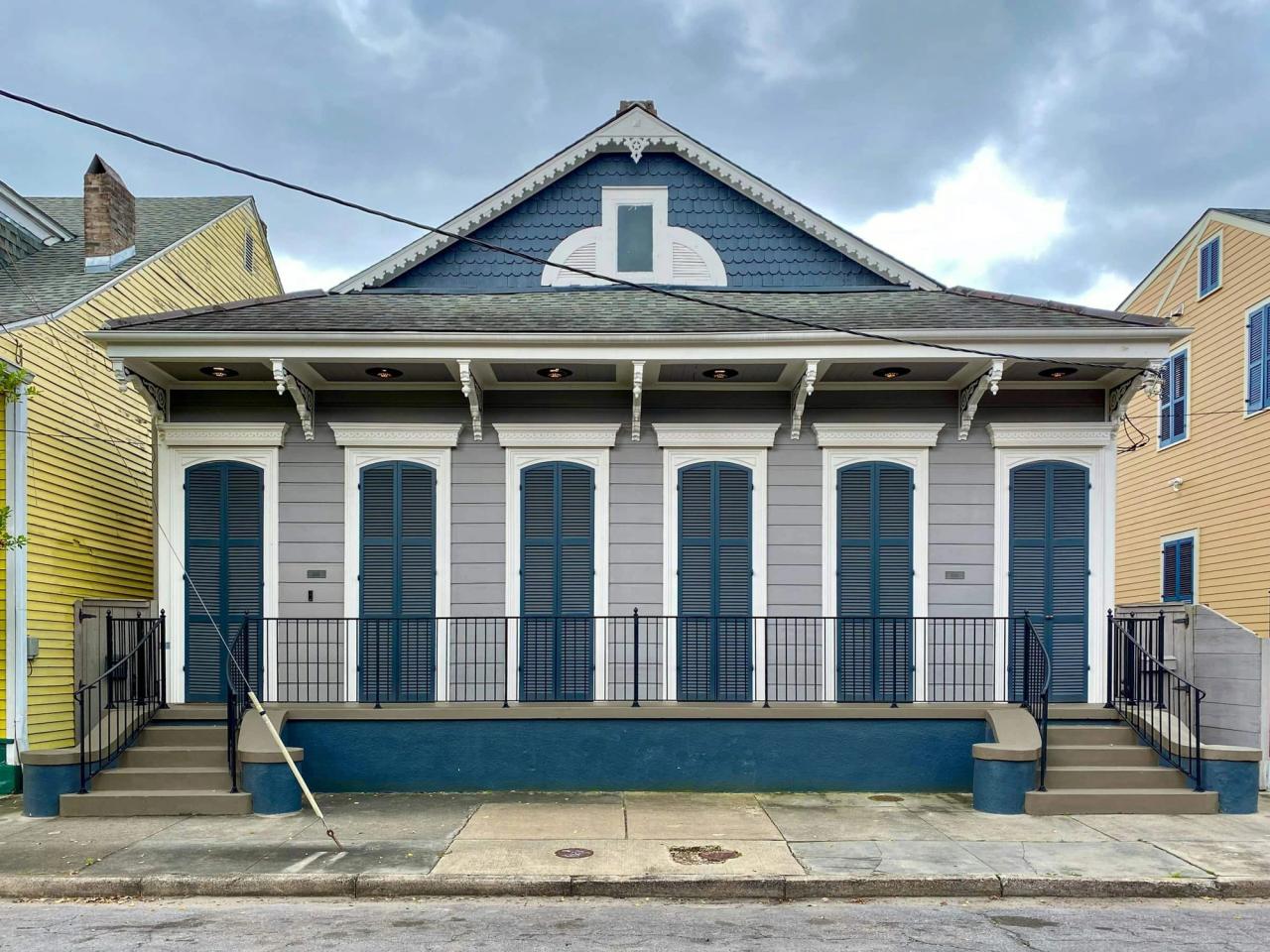
Louisiana’s architecture is distinct not just for its style, but for its persistence. From the narrow Shotgun houses of the Garden District to the raised Creole cottages of the bayou, homes were built to survive a difficult climate. However, for the people living inside them today, that survival strategy often comes with a steep price tag: energy inefficiency.
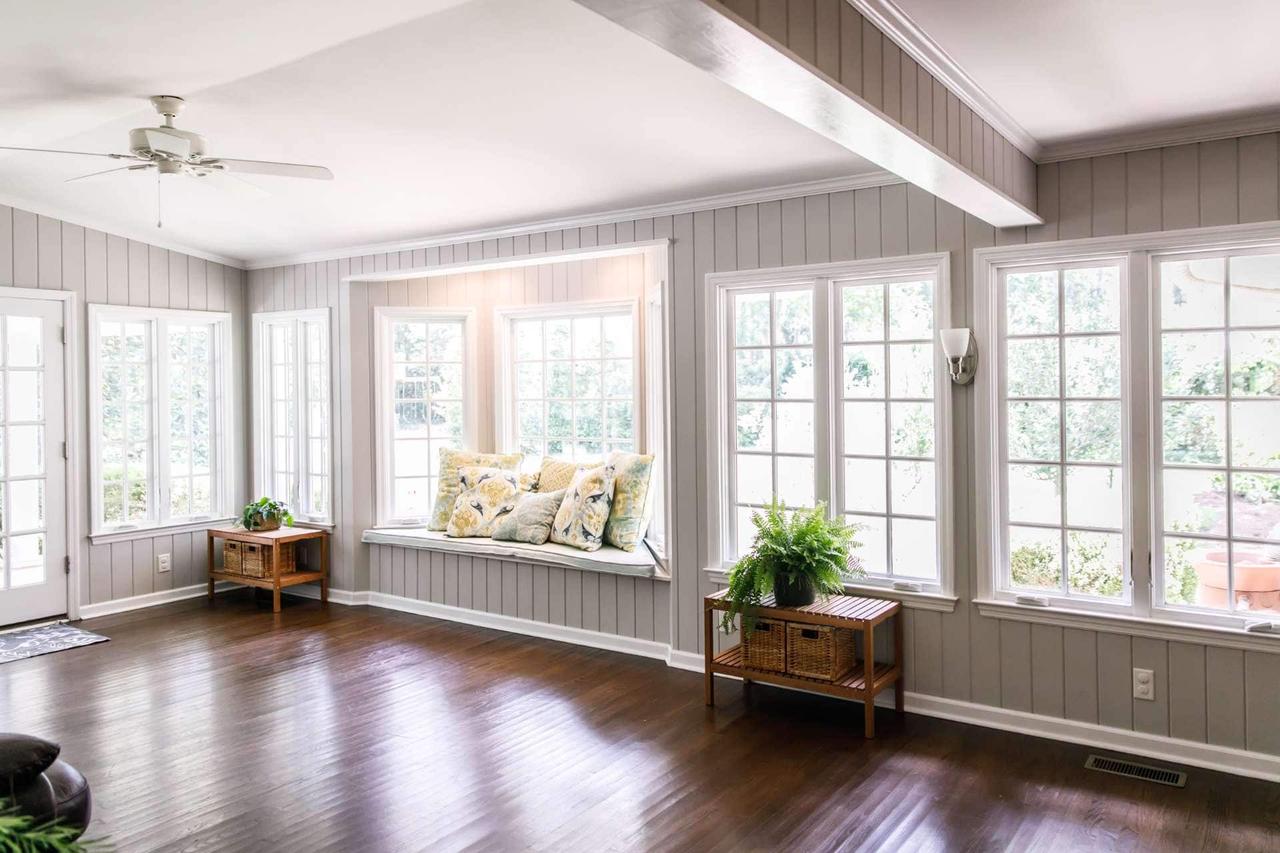
Most historic homes were built before the invention of modern air conditioning. They were designed to “breathe,” with high ceilings, transoms, and loose-fitting sashes to encourage airflow. In a modern context, where we rely on central HVAC to keep humidity at bay, this breathability is a major problem. It allows expensive, conditioned air to escape and forces your AC unit to work overtime.
For homeowners, the challenge is finding a way to seal the “thermal envelope” (or the barrier between the inside and outside) without ruining the look that makes the house special. This is particularly difficult when dealing with local preservation codes that strictly decide what you can and cannot change about your home’s exterior.
To understand why upgrading is necessary, we first have to look at the materials. Historically, windows and doors in Louisiana were made of solid wood. While wood is beautiful, it is an organic material that reacts strongly to its environment.
The average humidity in this region frequently stays above 70%. Wood absorbs moisture from the air sort of like a sponge. When it absorbs moisture, it swells. When it dries out, it shrinks. This constant cycle of expansion and contraction, often happening daily during the summer, wreaks havoc on the frame over years.
Over time, this movement breaks the paint seals and degrades the glazing putty. Once water gets into the wood grain, rot begins. This results in mechanical failure. Windows get painted shut, or they swell so much they cannot be opened. Doors stick in their jambs, requiring you to shoulder them open.
Modern material science offers a solution. Unlike wood, vinyl and PVC compositions are hydrophobic, meaning they do not absorb water. Their shape stays stable over time, regardless of whether it is a humid July afternoon or a dry January morning. This stability is critical for maintaining a tight air seal year-round.
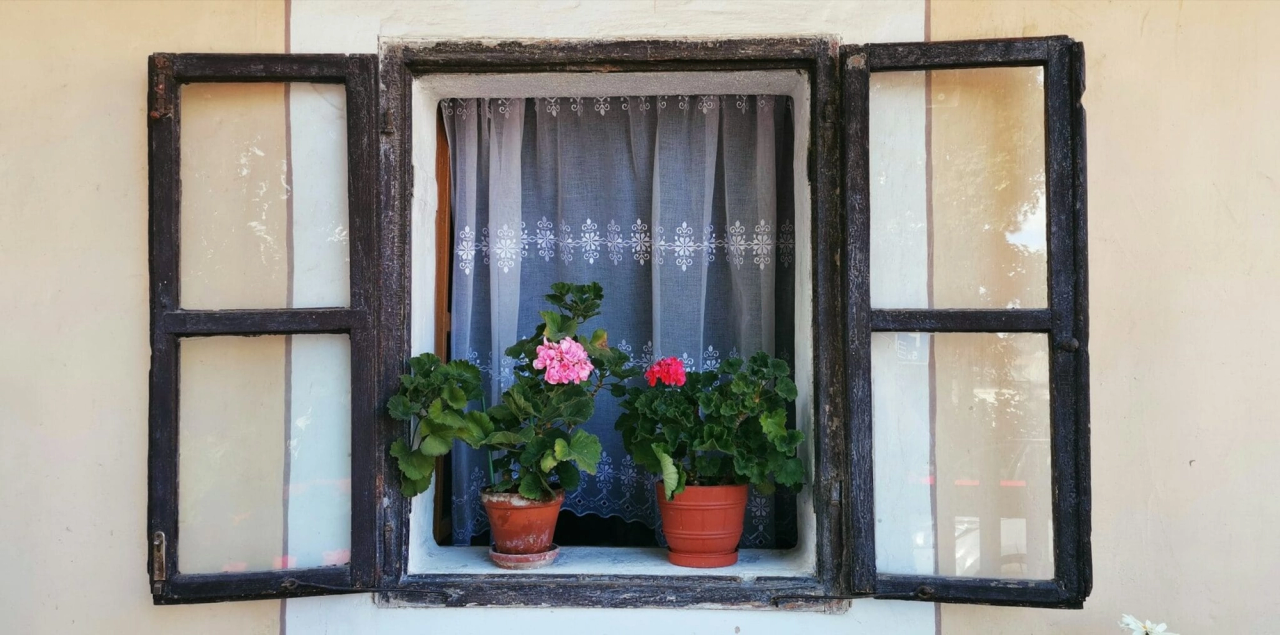
The biggest hesitation for owners of historic properties is the fear of “plastic-looking” windows. In the early days of vinyl, this fear was justified. Frames were flat, shiny, and lacked the architectural detail of milled wood. Installing them often meant violating the guidelines of local Historic District Landmark Commissions.
Today, the technology has evolved to meet these aesthetic standards. The key innovation is something called Simulated Divided Lites (SDLs).
Old windows have “true divided lites”, which are individual panes of glass separated by wooden muntin bars. Early replacement windows tried to fake this by putting a flat grid inside the two panes of glass. It was easier to clean, but it lacked depth and looked fake from the street.
SDLs solve this by applying a contoured grid to the outside of the glass, both on the interior and exterior. This creates the shadow lines and visual depth of a traditional wood window. When you combine this with a frame that mimics the profile of a wood sash, you get a window that passes strict architectural reviews while providing modern performance.
This allows for seamless replacement windows in New Orleans for historic homes, where maintaining the streetscape is as important as lowering the electric bill.

The front entry is often a focal point of style for a historic facade. Original wood doors are heavy and intricate, but they suffer from the same moisture issues as windows. A swollen door doesn’t just stick; it compromises your security. If the deadbolt doesn’t align perfectly with the strike plate because the door has warped, the lock is less effective. Furthermore, solid wood is a poor insulator. It acts as a thermal bridge, conducting heat from the outside surface right into your hallway.
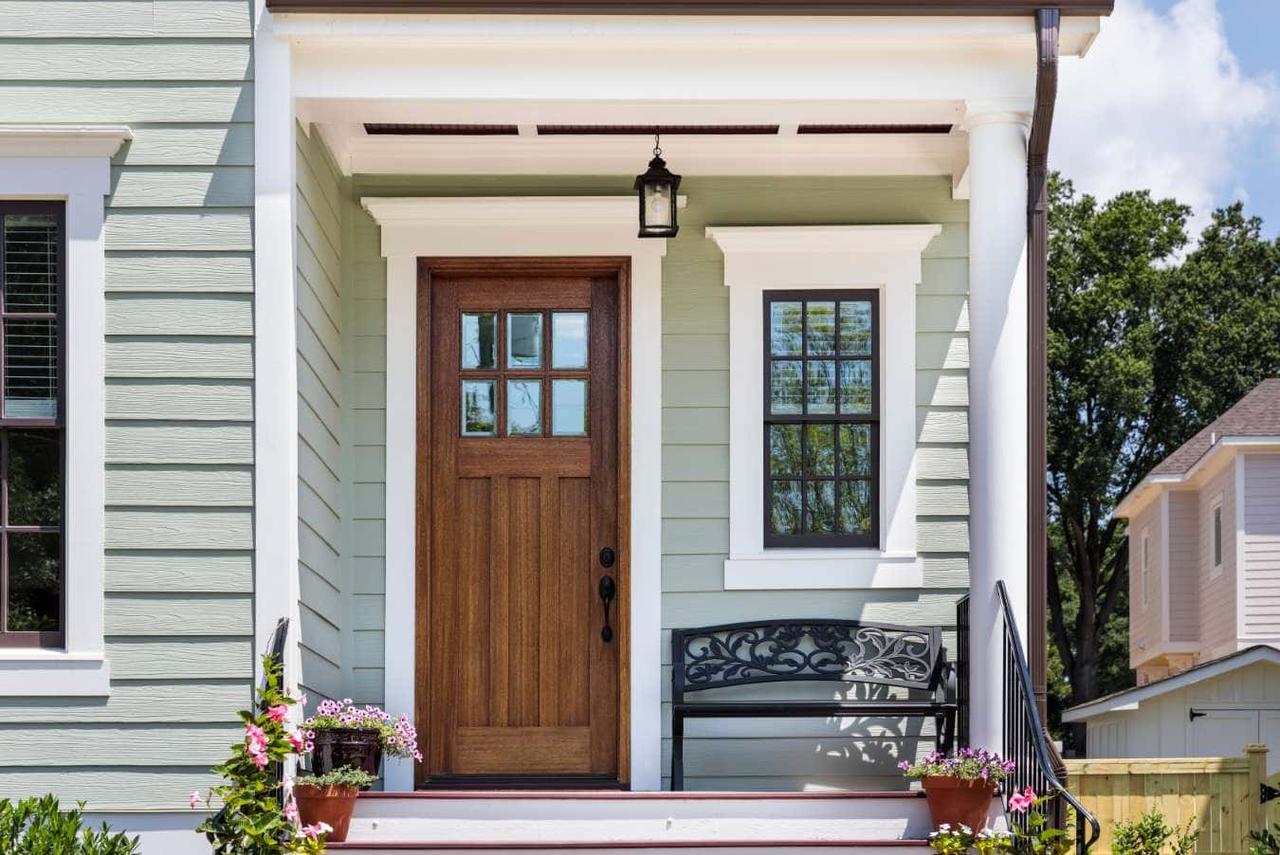
Modern composite entry doors are designed to break this bridge. These doors often feature a fiberglass skin that can be stained to look exactly like oak, mahogany, or fir. Inside, they are filled with a polyurethane foam core. This core provides significantly higher insulation value than solid wood.
For homeowners considering door installation services in Baton Rouge, this switch offers a dual benefit: the curb appeal of a classic wood-grain door with the durability of a material that won’t rot, warp, or rust.
When shopping for upgrades, you will encounter a lot of technical labels. It is easy to get lost in the numbers, but for our specific climate, there are two window rating metrics you need to prioritize.
Think of SHGC as “shade effectiveness.” It measures how much solar radiation (heat from the sun) passes through the glass and enters your home. The scale runs from 0 to 1.
In Lafayette and Lake Charles, where the sun beats down on roofs and walls for ten months out of the year, you want the lowest SHGC possible. This is achieved through Low-E coatings, which are microscopic layers of metal on the glass that reflect infrared heat without blocking visible light.
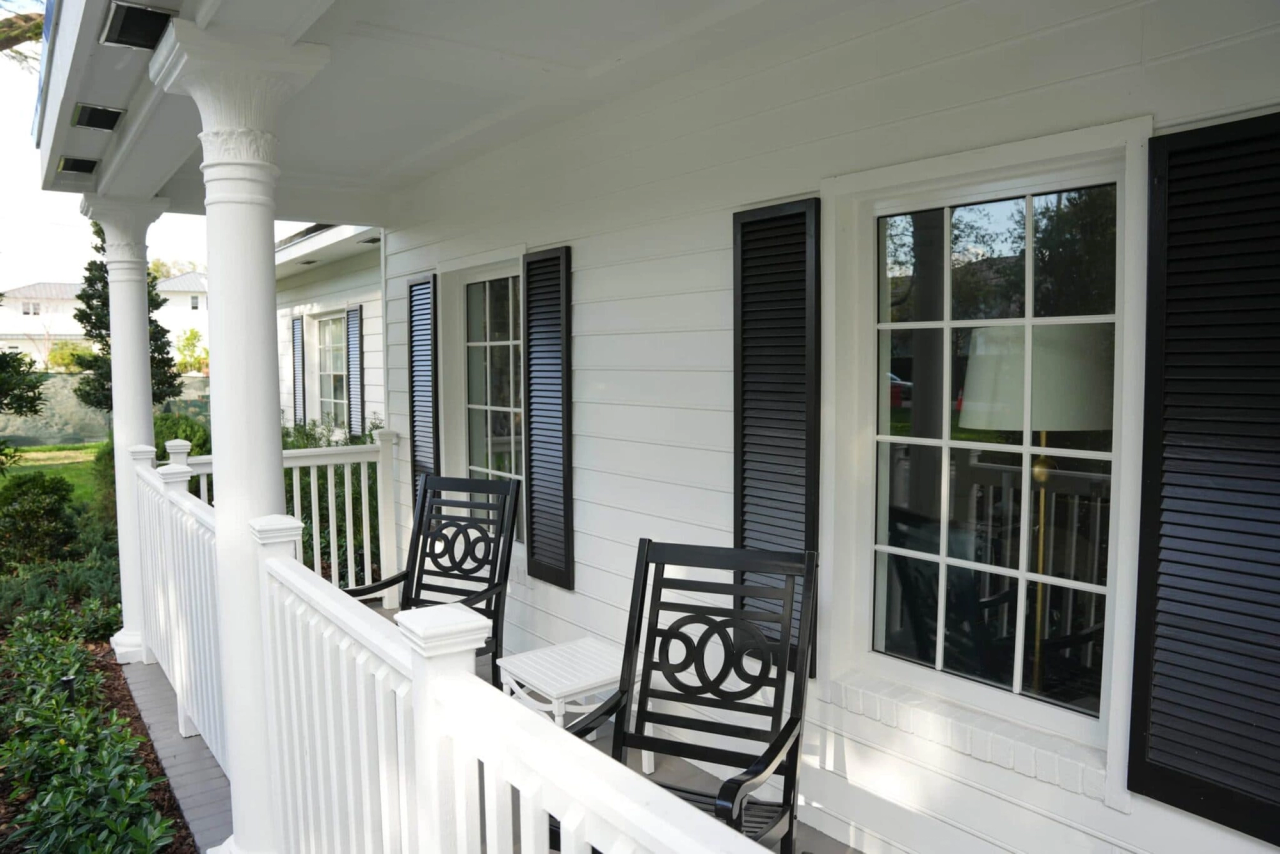
This measures how much wind force a window can withstand before it breaks or blows out of the frame. Given our proximity to the Gulf, this is not optional. Codes in coastal parishes require specific DP ratings to handle hurricane-force winds.
Installing impact-rated glass does more than just protect you from storms. The same laminated layer that can stop a flying branch also blocks 99% of UV rays, preventing your furniture from fading and significantly reducing outdoor noise. It is a heavy-duty energy-efficient barrier that serves you every day, not just during hurricane season.
Buying the right window is only half the battle. The most critical component of modernizing a historic home is the installation.
A house built in 1920 is not square. Over many decades, the foundation will have settled. The framing has shifted, and the openings are often not quite rectangular. If an installer tries to force a perfectly square new window into an out-of-square old opening, they will leave gaps.
Unskilled contractors might hide these gaps with wide caulking beads or trim. This is a failure waiting to happen. The proper method involves:
This attention to detail is vital in New Orleans and Baton Rouge, where old plaster walls and fragile siding require a delicate touch to avoid collateral damage during the renovation.

As a content manager at Renuity, Francheska spent nearly two years helping homeowners discover the possibilities of transforming their spaces. Renuity is a leader in home remodeling, specializing in everything from windows and doors to bathrooms and home storage solutions, and she’s proud to be part of a team that prioritizes quality, innovation, and customer satisfaction. She graduated from Florida International University with a double major in International Business and Marketing, ranked among the top programs in the nation. Her passion for home improvement runs deep—since childhood, she’s been inspired by watching HGTV and seeing the magic of remodels come to life. Now, she channels that passion into connecting readers with ideas, tips, and solutions to create homes they love.
Renuity is backed by top industry ratings and trusted by homeowners nationwide for quality, service, and reliability.





Offer expires:
Offer expires:
plus 12 months, no interest,no or low monthly payments
claim offer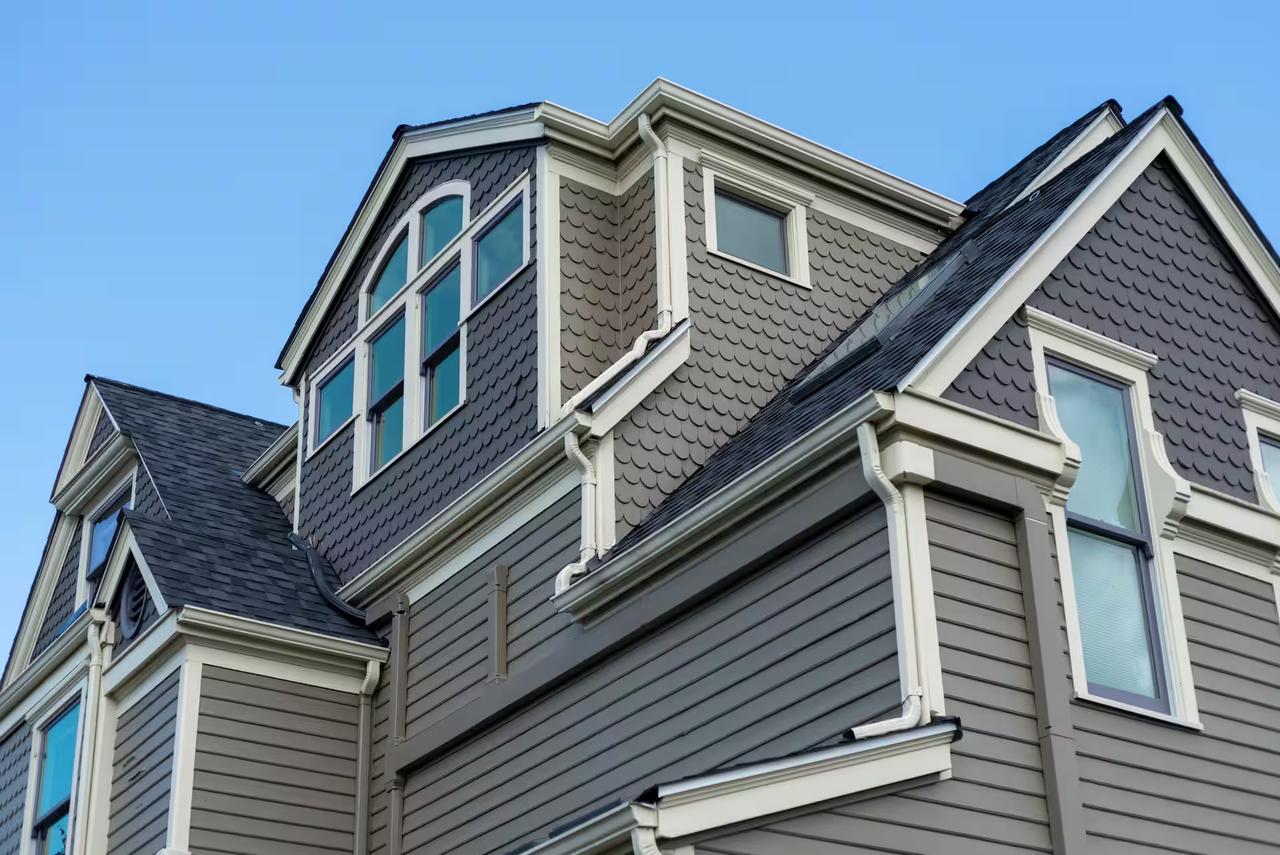
Get a free, no-obligation estimate and see how easy it is to upgrade to your dream home. One of our local specialists will reach out to schedule your consultation—on your terms.
At Renuity, our greatest pride comes from the trust homeowners place in us and the lasting results we deliver. From seamless installations to transformative home upgrades, we’re committed to making every project simple, stress-free, and built to last. Our family of regional brands includes some of the most respected names in remodeling nationwide, all united by proven expertise and a shared commitment to exceptional service. See how we’ve made a difference for families nationwide and what they have to say about their experiences with Renuity.
Very professional, pleasant, ahead of schedule . Dealing with Danny Guthrie was pleasant and answered all our questions. Their were no other surprise costs. We loved the service, the contractors wer...
All the people we have dealt with from Renuity from the sales rep, office administration & the installers, have been very good to deal with. On the first day of the installation, they found dry rot un...
This was a very pleasant experience. Lance, my salesperson, was very professional and understood my concerns and needs. Blake and Sebastian, the installers of my new shower remodel, were friendly, har...
We have used Renuity Home Improvement (formerly FHIA) five different times, and every experience has been excellent. They replaced the windows in our previous two homes, completed our parents’ two hom...
We are so pleased with our new shower ! The installing crew were friendly, professional and on time. The appearance of the modern shower is so lovely. We would recommend this company 100% if you wa...
Excellent salesman Wesley was .kind, friendly and knowledgeable...great guy. The brothers were Excellent and beyond, superb work by them and they were fast with the installation. No better place to h...
We had a roof and windows installed by this company. We had 4 companies we were interviewing. FHIA was the second one we met with. Josh came to our home to present their products and servies to us. I...
Great workmanship. Great job. The workers was very professional and explained the installation. Clean up after the job was completed. I would definitely recommend this crew to anyone interest. Thanks...
Conde was very nice and professional with his work , and they kept me informed of the job as it went forward. These are nice windows that should be trouble free for a long time. They were thorough thr...
Now that windows all installed I am pleased with the work, clean up, craftsmanship of products I am pleased. Conscientious of others property. Installed with great care of surroundings. Do recommend...