
Trusted By Over 250,000 Customers!
No Interest, No Payments for 12 months on Select Products
No Interest, No Payments for 12 months on Select Products
A clean home exterior not only improves curb appeal but also helps protect your biggest investment. Cleaning it may seem like a big task, but it is manageable with a clear plan. Whether the outside of your home needs a refresh or your windows could use a shine, this guide covers simple, cost-effective ways to bring your exterior back to life.
The first step before exterior home cleaning is to take a step back – literally. A quick inspection helps you spot problem areas and create a plan of attack.
Start with the most visible surfaces. Look over your exterior walls to see whether algae, mildew, or discoloration are creeping up. If you notice peeling paint or cracks, that might hint at deeper moisture issues. Then move to the windows, checking for cloudy or streaky glass and any dirt buildup on frames or sills.
Next, inspect the roof and gutters. If you see dark streaks on your shingles, it could be mold or algae, not just dirt. Gutter clogs can lead to overflows, which can turn into foundation or fascia damage if ignored for too long. If routine cleaning uncovers more serious roof wear, it may be time to consider professional help or future roofing upgrades.
Finally, walk around your driveway, pathways, deck, and outdoor furniture. Note anything stained, slippery, or covered in moss, mildew, or dirt. Once you have a clear idea of what needs attention, you can tackle exterior house cleaning more efficiently.
The tools and supplies you need depend on which surfaces you are cleaning. Using the right equipment helps you clean effectively without causing damage.
Some useful items include:
![image1 1536x1152[1]](https://cdn.sanity.io/images/cti1b1nb/production/511a7386b1a9e5f16c0305f329cef8679952f235-1536x1152.png?w=1280&q=75&fit=max&auto=format)
Breaking exterior cleaning into targeted steps makes the job more manageable. Work from the top down so dirt and rinse water do not re-soil areas you have already cleaned.
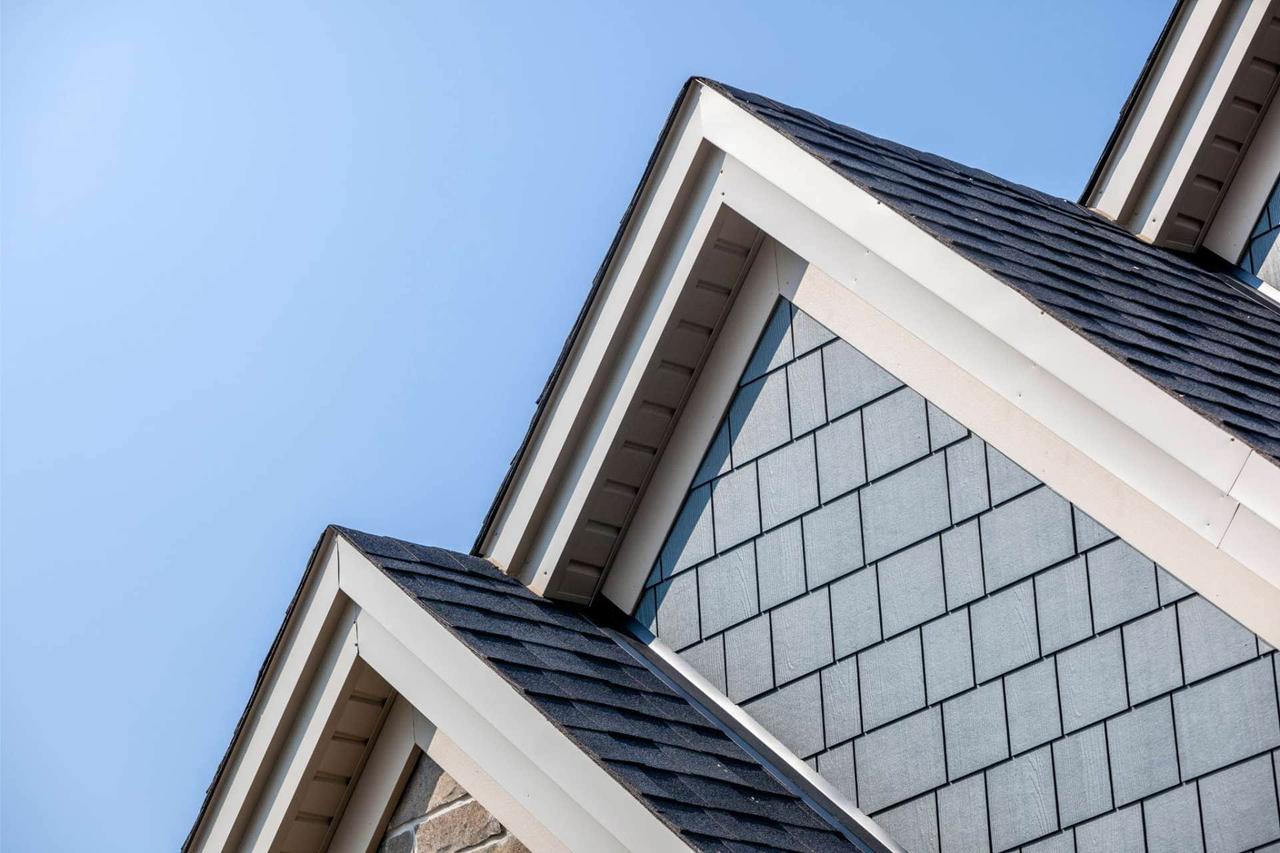
Roof maintenance is important to limit algae, moss, and other buildup that can degrade shingles over time.
Avoid pressure washing the roof, since high pressure can strip protective granules and shorten the life of the material. Trimming overhanging branches also helps reduce future growth. When routine cleaning uncovers aging or persistent issues, planning ahead for roof replacement can prevent more expensive damage later.
Clogged gutters can lead to drainage issues that affect your fascia, landscaping, or even your foundation. Basic gutter-cleaning steps include:
Different exterior surfaces respond best to different cleaning methods. For many painted or vinyl-clad walls, a light-touch approach works well:
For brick or stucco, begin with a mild solution and a soft brush. Limited, low-pressure washing can help remove surface grime, but high pressure on brittle or older masonry can cause damage, so it should be used cautiously.
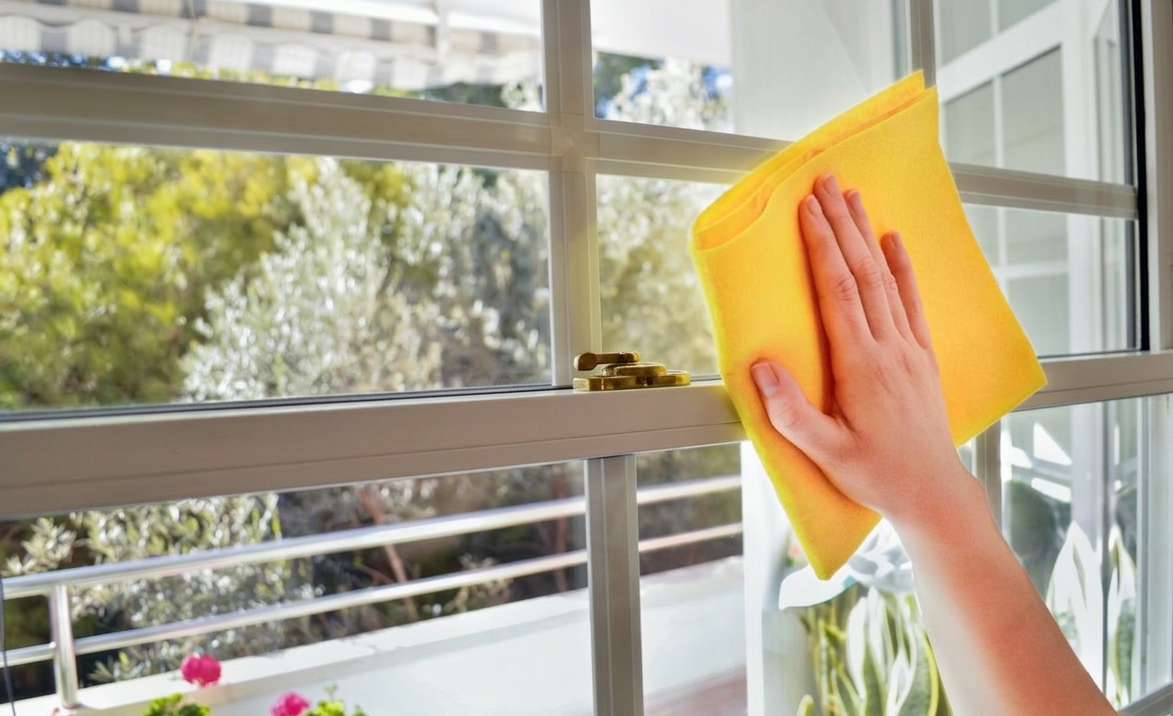
Clean windows improve your home’s appearance and allow more natural light into living spaces.
If routine cleaning reveals persistent fogging between panes, drafts, or deteriorated frames, it may be worth evaluating replacement windows for better performance.
![image9[1]](https://cdn.sanity.io/images/cti1b1nb/production/c972b02db8962dd9096724f19f80145a0c34e635-1280x853.png?w=1280&q=75&fit=max&auto=format)
Patios, decks, and driveways each face their own wear patterns from foot traffic, weather, and vehicle use. A general approach that works for many hard surfaces:
For more targeted hard-surface maintenance, you can reference our guide on how to clean your garage floor.
Various fixtures and furnishings around the exterior often collect dust, grime, and weather-related buildup. Addressing them periodically keeps the whole space looking maintained.
![image8 1536x1030[1]](https://cdn.sanity.io/images/cti1b1nb/production/3ef6c80c100734246b821f0463a68ddc49917f28-1536x1030.png?w=1280&q=75&fit=max&auto=format)
Seasonal checkups help you stay ahead of wear, staining, and moisture issues. Adjusting your routine slightly each season is often more efficient than tackling a major cleanup at once.
After winter weather, a basic reset prepares the exterior for heavier use:
Heat and humidity can encourage mold, mildew, and pollen buildup:
Fall is a good time to prepare for colder or wetter weather:
In milder climates, winter still presents moisture and temperature challenges:
![image13 1536x1026[1]](https://cdn.sanity.io/images/cti1b1nb/production/c4033ac3b43281b0ce48d59db36776b9b306ad23-1536x1026.png?w=1280&q=75&fit=max&auto=format)
Good exterior cleaning practices should protect both you and the surrounding environment.
How often should I clean the outside of my home?
Most exteriors benefit from a general cleaning once or twice a year, with spot cleaning for high-traffic areas such as driveways and patios as needed. Inspect surfaces after major storms or seasonal shifts to address dirt, mold, or stains promptly.
Are there any safety precautions to follow when using a pressure washer?
Yes. Wear closed-toe shoes and eye protection, keep both hands on the wand, and never aim the spray at people or pets. Avoid high pressure on delicate surfaces like older masonry, roof shingles, or soft wood.
Can I use a pressure washer on all types of exterior walls?
No. Some materials handle pressure better than others. Vinyl and many brick surfaces can tolerate modest pressure, but softer wood or aging finishes may require only low pressure and hand scrubbing. Always test a small, inconspicuous area first.
What can I use instead of pressure washing my house?
A garden hose with a spray nozzle, mild detergent, and a soft-bristle brush or sponge can handle many cleaning tasks. For tougher stains, a diluted vinegar solution or oxygen bleach can help without the force of a pressure washer.
What is the most effective way to clean windows and avoid streaks?
Use a small amount of dish soap in water, apply with a soft cloth or sponge, then remove the solution with a squeegee, wiping the blade between passes. Finish with a microfiber cloth on edges or any remaining streaks.
What is the best method to clean outdoor furniture?
A mix of mild soap and water applied with a soft brush works for most materials. Rinse thoroughly and let items dry completely. For stubborn spots, a diluted vinegar solution can help loosen buildup.
How do I remove mold and mildew from the exterior of my home?
Use a cleaner labeled for mold and mildew or a diluted bleach solution (commonly one part bleach to three parts water). Apply, let it sit briefly, scrub, and rinse thoroughly. Always wear appropriate protective gear and protect nearby plants.
Do I need professional help for exterior home cleaning, or can I do it myself?
Many tasks are manageable as DIY projects, especially at ground level. For work involving high ladders, complex roof conditions, or persistent moisture issues, professional help can reduce risk and improve results.
Regular exterior cleaning improves curb appeal and helps protect against long-term wear. If you have completed a thorough cleanup and still notice persistent staining, damage, or aging materials, it may be time to plan more substantial updates. If you’re interested in cleaning the inside along with the out, make sure to read our posts on bathroom deep cleaning tips and kitchen pantry cleaning ideas.
Renuity offers a range of exterior solutions, including replacement windows, replacement doors, and roof replacement. Contact Renuity to discuss options that align with your home’s condition, your long-term plans, and your budget. We’re here to help.

As a content manager at Renuity, Francheska spent nearly two years helping homeowners discover the possibilities of transforming their spaces. Renuity is a leader in home remodeling, specializing in everything from windows and doors to bathrooms and home storage solutions, and she’s proud to be part of a team that prioritizes quality, innovation, and customer satisfaction. She graduated from Florida International University with a double major in International Business and Marketing, ranked among the top programs in the nation. Her passion for home improvement runs deep—since childhood, she’s been inspired by watching HGTV and seeing the magic of remodels come to life. Now, she channels that passion into connecting readers with ideas, tips, and solutions to create homes they love.
Renuity is backed by top industry ratings and trusted by homeowners nationwide for quality, service, and reliability




Get a free, no-obligation estimate and see how easy it is to upgrade to your dream home. One of our local specialists will reach out to schedule your consultation—on your terms.
At Renuity, our greatest pride comes from the trust homeowners place in us and the lasting results we deliver. From seamless installations to transformative home upgrades, we’re committed to making every project simple, stress-free, and built to last. Our family of regional brands includes some of the most respected names in remodeling nationwide, all united by proven expertise and a shared commitment to exceptional service. See how we’ve made a difference for families nationwide and what they have to say about their experiences with Renuity.

Very professional, pleasant, ahead of schedule . Dealing with Danny Guthrie was pleasant and answered all our questions. Their were no other surprise costs. We loved the service, the contractors wer...
All the people we have dealt with from Renuity from the sales rep, office administration & the installers, have been very good to deal with. On the first day of the installation, they found dry rot un...
This was a very pleasant experience. Lance, my salesperson, was very professional and understood my concerns and needs. Blake and Sebastian, the installers of my new shower remodel, were friendly, har...
We have used Renuity Home Improvement (formerly FHIA) five different times, and every experience has been excellent. They replaced the windows in our previous two homes, completed our parents’ two hom...
We are so pleased with our new shower ! The installing crew were friendly, professional and on time. The appearance of the modern shower is so lovely. We would recommend this company 100% if you wa...
Excellent salesman Wesley was .kind, friendly and knowledgeable...great guy. The brothers were Excellent and beyond, superb work by them and they were fast with the installation. No better place to h...
We had a roof and windows installed by this company. We had 4 companies we were interviewing. FHIA was the second one we met with. Josh came to our home to present their products and servies to us. I...
Great workmanship. Great job. The workers was very professional and explained the installation. Clean up after the job was completed. I would definitely recommend this crew to anyone interest. Thanks...
Conde was very nice and professional with his work , and they kept me informed of the job as it went forward. These are nice windows that should be trouble free for a long time. They were thorough thr...
Now that windows all installed I am pleased with the work, clean up, craftsmanship of products I am pleased. Conscientious of others property. Installed with great care of surroundings. Do recommend...