Trusted By Over 250,000 Customers!
No Interest, No Payments for 12 months on Select Products
No Interest, No Payments for 12 months on Select Products
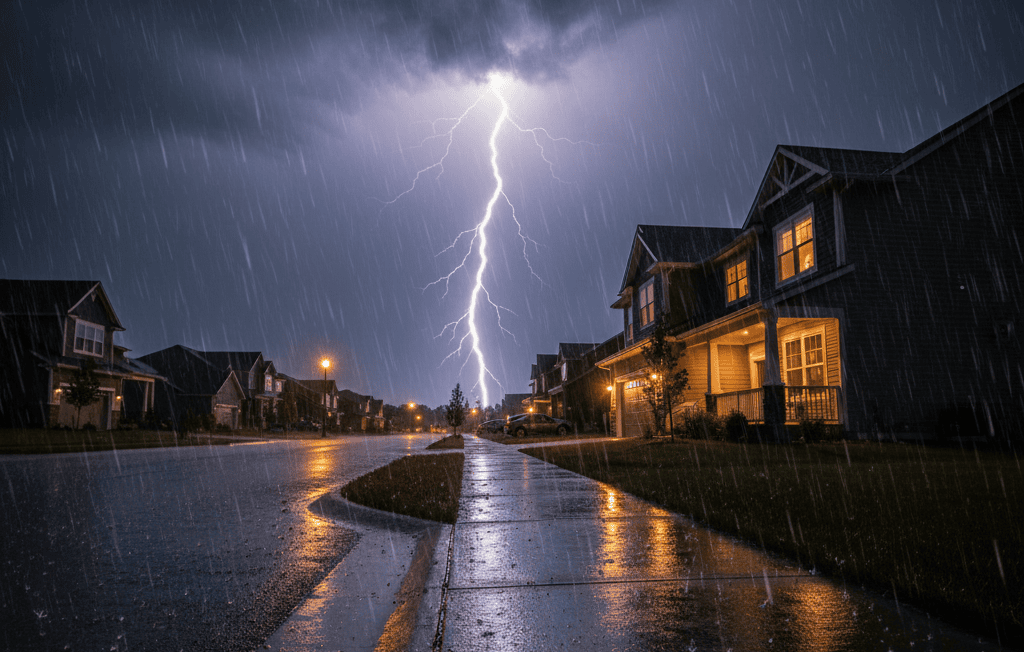
Hurricane season brings powerful winds, torrential rains, and flying debris that can threaten your family’s safety and damage your property. For coastal homeowners, preparation is the key to minimizing risks and peace of mind. Among the most vulnerable areas of your home are its windows, doors, and roof – critical components that bear the brunt of the storm.
You can shield your house and loved ones from the worst of nature through impact-resistant windows and doors, along with a sturdy roof. Making your home storm-ready starts with knowing how to strengthen it.
Every house has its weak points, and identifying yours is the first step toward better protection. From hurricane windows and doors to your roof and foundation, a comprehensive check can reveal areas that need improvement.
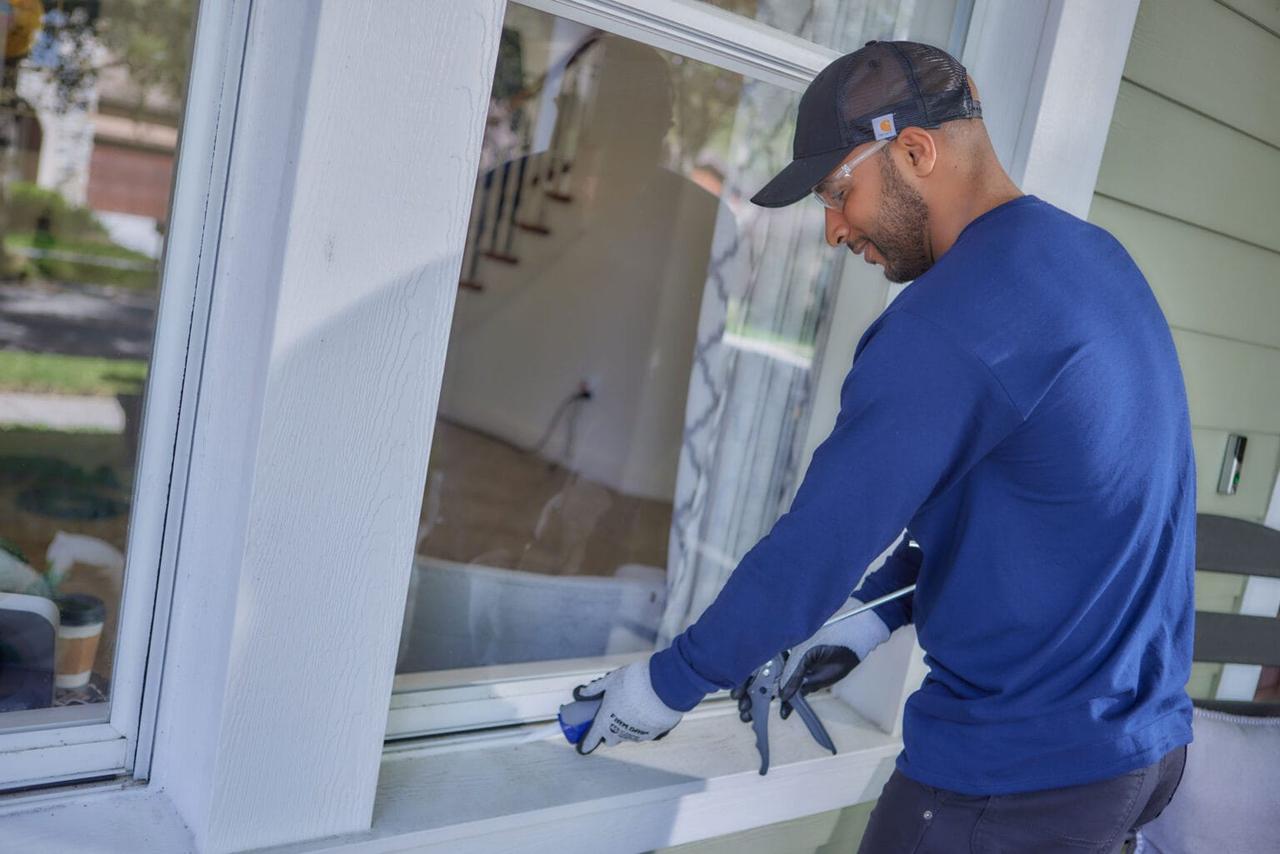
Have you checked your storm windows and doors lately? Over time, Florida’s heat and humidity for example can weaken the seals around them. Cracked or brittle seals are an open invitation for water and wind to enter your home. To prevent this, inspect every window and door for wear and tear.
Replacing old seals with fresh, durable ones can make a significant difference. If you’re still relying on standard glass windows, now’s the time to think about upgrading to hurricane windows. These feature laminated impact-resistant glass that stays intact even when struck by debris.
Can your roof withstand a hurricane? Missing shingles, granule loss, or clogged gutters can create problems. Addressing these issues now could save you thousands of dollars later. Schedule a roof inspection with a professional contractor to confirm everything is up to code and ready for anything that comes your home’s way.
Cracks in your home’s foundation are another often overlooked vulnerability. Water can seep into these cracks during heavy rain, causing damage that weakens your home’s structure. Seal these gaps with high-grade caulking to keep water at bay.
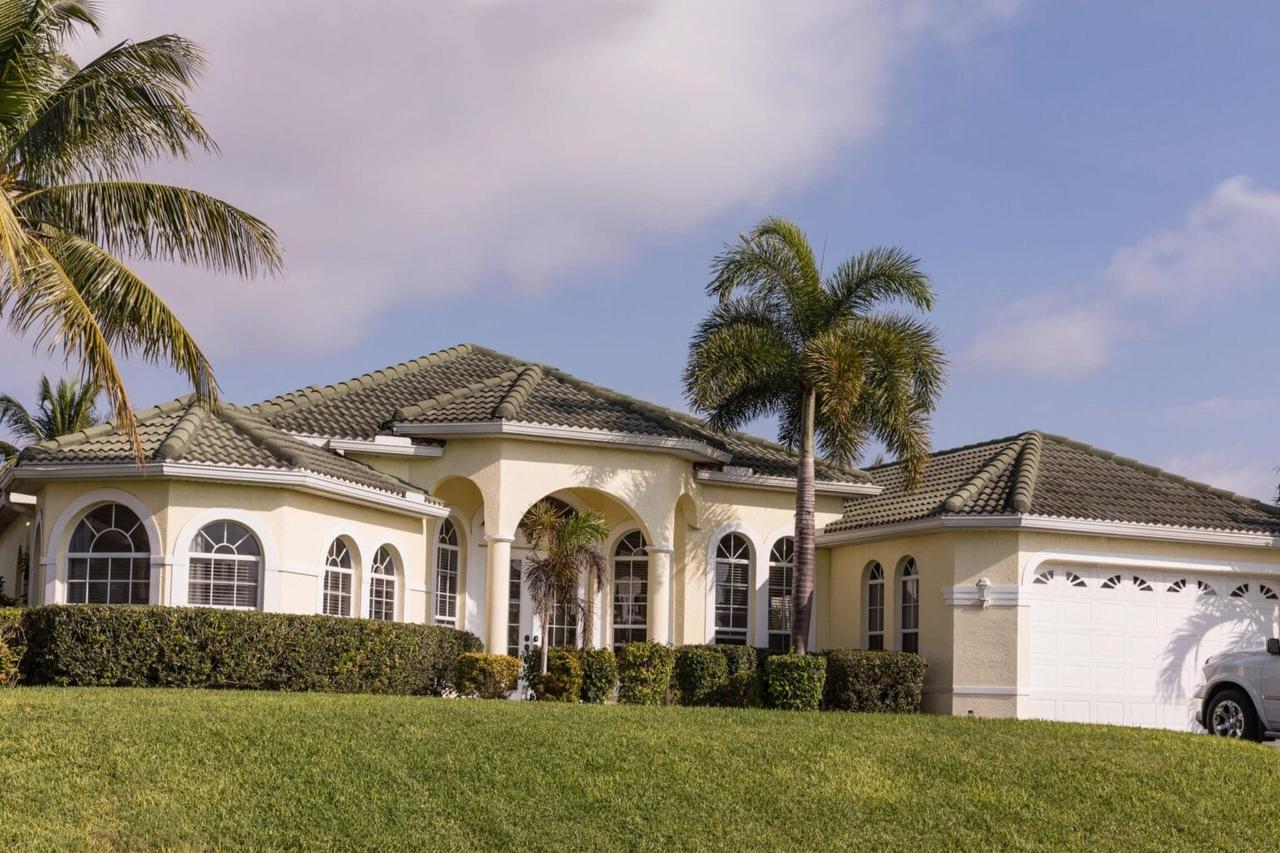
As we have mentioned, your windows and doors are potential weak spots during a hurricane. Investing in high-quality options can give you the protection you need.
Impact windows are specifically engineered to handle the challenges of hurricane season. With laminated impact glass and reinforced frames, they resist flying debris and strong winds. These solutions also reduce outside noise, block harmful UV rays, and may even lower your homeowner’s insurance premiums.
Pro tip: If you’re on the fence about going all in with impact windows, you might want to start with the most vulnerable areas. Sliding and large-picture windows are great candidates for impact windows.
How much protection can you expect from your doors? Standard doors are often not sufficient for hurricane-force winds. Reinforced doors, made with impact-resistant materials, are designed specifically to withstand strong gusts and flying objects. Sliding glass doors should also be upgraded to impact glass for maximum safety.
If replacing all your windows and doors is not an option at the moment, hurricane shutters offer a cost-effective alternative. Accordion shutters, roll-down shutters, or even fabric panels can provide short-term protection.
Just a little caveat: storm shutters require installation and do not offer the convenience of year-round readiness like impact windows do.
Your roof serves as your first line of defense during a hurricane. Putting roof maintenance and upgrades on the back burner can result in severe damage and leave you vulnerable to water intrusion and structural compromise. In short: a well-maintained, reinforced roof is an absolute necessity when you live in a climate with extreme weather.
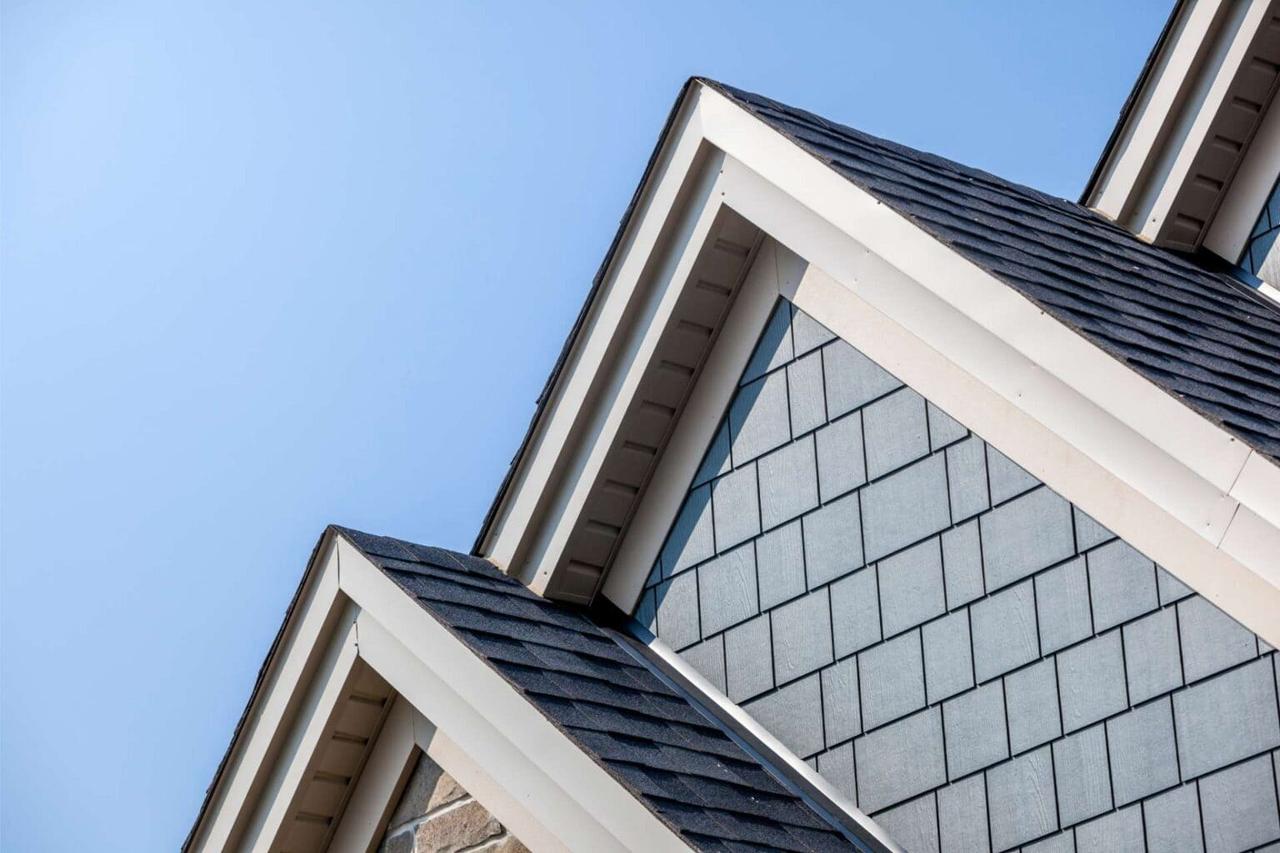
Your shingles protect the structural integrity of your home. Loose, cracked, or missing shingles form weak spots where wind and water can seep through and cause damage. Hurricane-rated shingles are engineered specifically for the extreme conditions of a major storm. They are designed to withstand very high wind speeds.
Benefits of investing in hurricane-rated shingles:
Roof edges and flashing are among the most vulnerable parts of your roof. High winds can peel back poorly secured flashing. Use high-quality materials, such as corrosion-resistant metal flashing, to reinforce these areas. Secure the flashing with nails and sealant to reduce the risk of it lifting during a storm.
Roof edges can be further fortified by installing a drip edge, which stabilizes shingles and directs rainwater away from the fascia and foundation.
One of the most critical yet often overlooked upgrades is anchoring your roof to your home’s structure. Hurricane straps or clips made from galvanized steel secure the roof trusses or rafters to the walls of the house, reducing the likelihood of roof uplift during a storm.
Professional contractors can evaluate your roof’s current attachment system and recommend upgrades.
Blocked gutters can cause water to pool on your roof, increasing the risk of leaks, sagging, and other problems. Over time, leaves, twigs, and dirt accumulate and reduce their capacity to guide water away from your home effectively.
Here’s how you can keep your gutters hurricane-ready:
Additionally, make sure your downspouts are directed at least six feet away from your foundation to reduce the risk of water pooling near your home’s base.
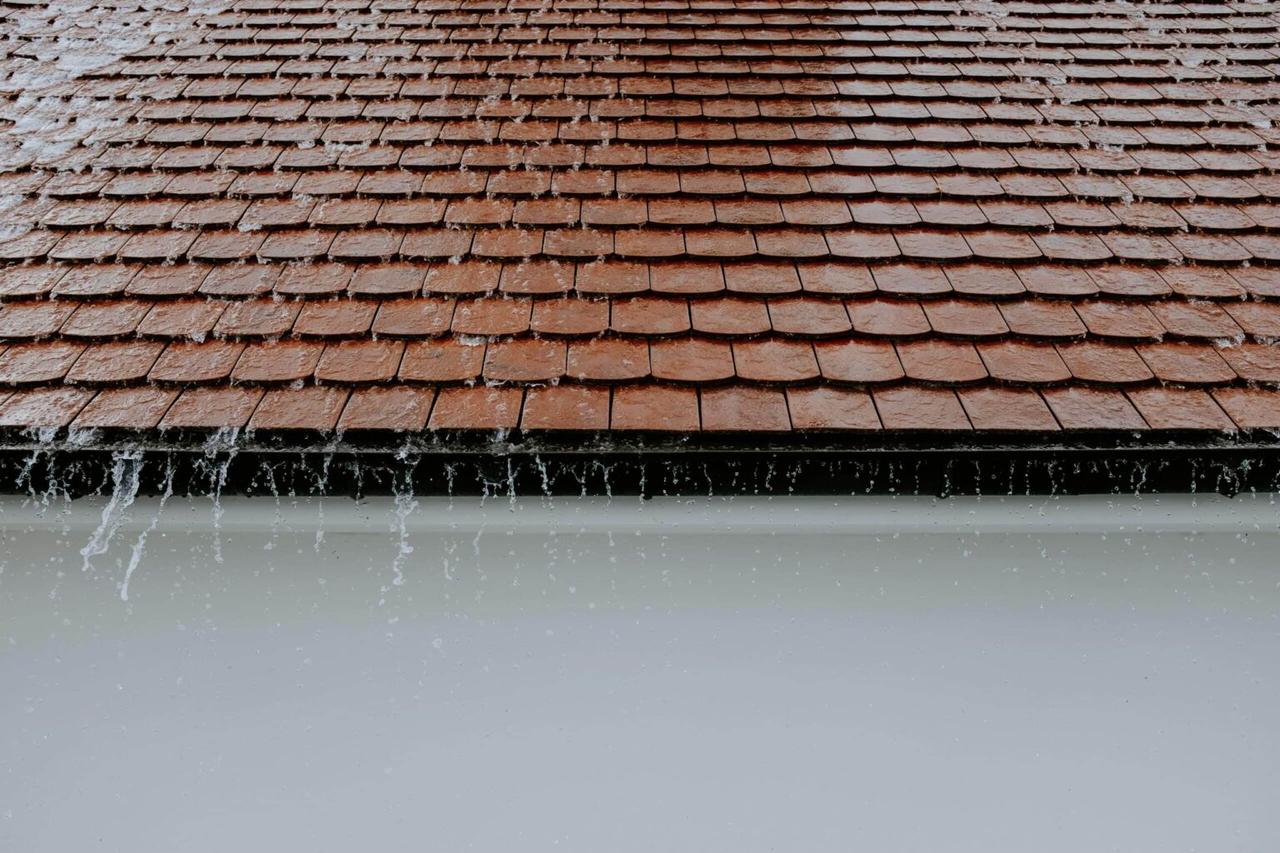
The soffits and eaves of your roof are overlooked weak points during a hurricane. Strong winds can pull off soffit panels, exposing the rafters and allowing water to infiltrate your attic. You can reinforce these areas by:
Roof inspections and reinforcements are best left to professionals who can identify potentially vulnerable areas that might escape the untrained eye. Certified roofing specialists will assess the condition of your shingles, flashing, gutters, and overall structure to recommend affordable, high-impact solutions. Moreover, pros can also verify if your roof meets local requirements, such as Florida’s hurricane building codes.
Preparing your yard is as important as fortifying your home’s structure. The area surrounding your home can either serve as a protective barrier or a source of additional hazards during a hurricane.
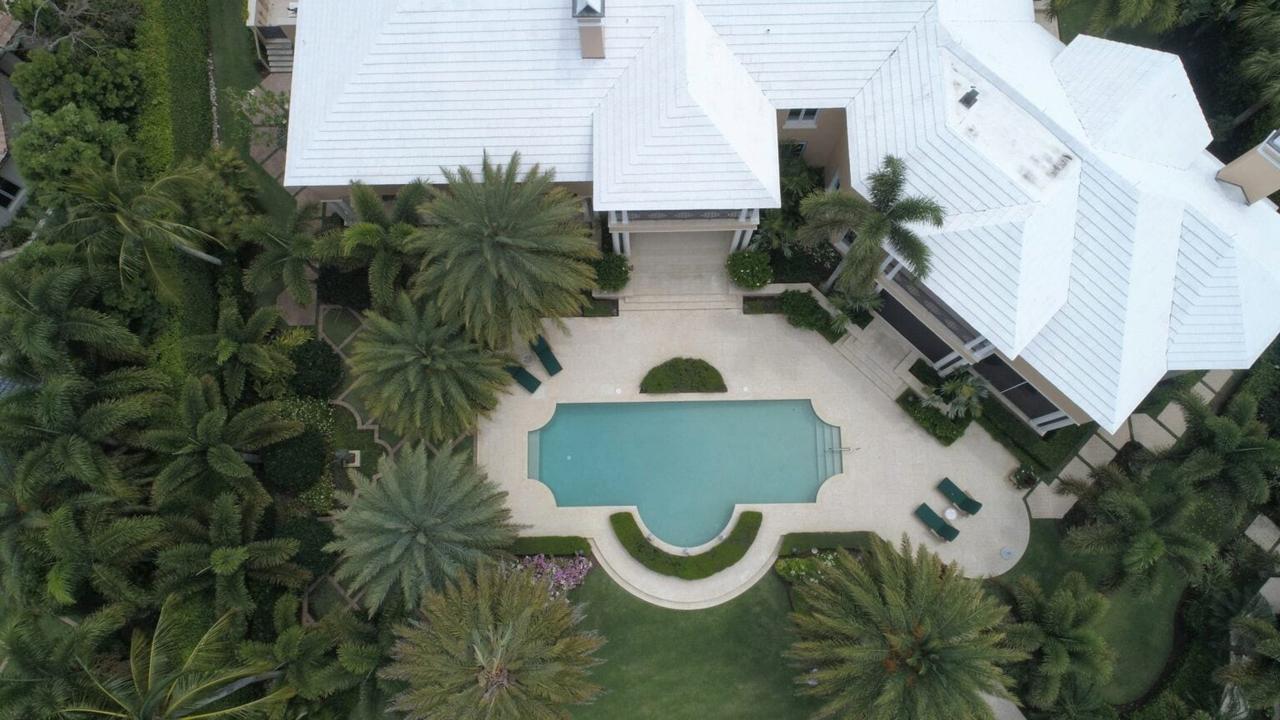
The smallest objects can cause damage when hurled at your home by hurricane-force winds. Loose yard furniture, garden tools, potted plants, and children’s toys can become airborne, breaking windows or damaging siding. To reduce this risk:
Larger outdoor features, such as gazebos, pergolas, and sheds, require extra attention. These structures are prone to tipping over or collapsing in strong winds unless properly anchored. Secure them with:
Replace heavy gravel or stones with lighter mulch, which is less likely to cause damage if displaced by wind. For trees, choose wind-resistant species with deep root systems, and keep plants pruned and well-maintained to reduce uprooting risk.
You cannot control the weather, but you can control how prepared you are. Stocking up on emergency supplies and planning ahead can make a challenging situation more manageable.

A well-prepared hurricane kit is critical. When making one, assume there may be no internet, reception, power, water, food, or heat. Here is what you will need:
Stock at least three days’ worth of food and water for each family member. Non-perishable items like canned goods, protein bars, and dried fruits are best. Include a manual can opener. For water, aim for one gallon per person per day for drinking and basic hygiene. If you have pets, pack extra food and water for them as well.
Your kit should include a first-aid kit with items like bandages, antiseptic wipes, gauze, and adhesive tape. Include prescription medications, with enough for at least a week. Add pain relievers, antihistamines, and antibiotic ointments. For families with specific health needs, such as asthma or severe allergies, pack extra inhalers or EpiPens.
Your phone’s flashlight is not as reliable as actual flashlights in an emergency. Pack extra batteries. A multi-tool or pocket knife can help with tasks like opening packages, cutting rope or wires, or making basic repairs. A portable radio is useful to stay informed about weather updates if other communication methods fail.
Store critical documents like insurance policies, IDs, and medical records in a watertight bag. Have some cash in small denominations since card machines may be unavailable during power outages. A well-rounded kit makes you better prepared for emergencies.
Power outages are common during hurricanes. Investing in a whole-home generator can keep your systems running. For smaller budgets, a portable generator can keep essential appliances operating, such as your refrigerator and phone charger.
Know how to shut off your utilities in an emergency. Practice these steps in advance. Establish a family communication plan to keep everyone informed during a storm.

Hurricane preparation does not end with securing your home; protecting your finances is just as important. A comprehensive insurance policy and structured financial planning help you prepare for both the storm and its aftermath.
Start by reviewing your homeowner’s insurance policy. While wind damage is often covered, flood damage usually requires a separate policy. Confirm your deductible. Many Florida policies include a hurricane-specific deductible for example, set as a percentage of your home’s insured value.
If you have made upgrades like installing impact windows or reinforced roofing, notify your insurer, as these may qualify you for discounts. Document your belongings with photos and receipts to streamline the claims process.
Hurricane-resistant upgrades can be expensive, but programs like Florida PACE make them more accessible. The PACE program allows you to finance impact-resistant windows, roof reinforcements, and other upgrades through property tax assessments, with no upfront costs.
Hurricane season does not have to mean constant stress. Renuity is here to make critical upgrades to your windows, doors, and roof more manageable. From guidance on selecting hurricane-ready solutions to financing options tailored for Florida properties, we offer support to help you build confidence in your home’s resilience.
Start preparing for hurricane season at least one month in advance. Secure impact-resistant windows and doors, inspect your roof, clear gutters, and create an emergency kit. When a storm is imminent, finalize preparations 72 hours before impact.
An emergency hurricane kit should include water (one gallon per person per day), non-perishable food, flashlights, batteries, a first-aid kit, medications, important documents, cash, phone chargers, hygiene products, a multi-tool, and a portable radio. Include supplies for pets and a backup power source if possible.
The most vulnerable parts are windows, doors, and the roof. High winds can shatter windows, damage doors, and lift roofs without proper reinforcement. Secure these areas with impact-resistant materials, hurricane straps, and reinforced seals.
Yes, a Category 3 hurricane can break standard windows through flying debris or wind pressure. Upgrading to hurricane windows helps prevent shattering and provides critical protection for your home during strong storms.
To withstand a Category 5 hurricane, use impact-resistant windows, reinforced concrete or similarly rated wall systems, hurricane straps for roof anchoring, and wind-rated doors. Building codes in hurricane-prone areas provide guidelines for storm-resilient construction.

As a content manager at Renuity, Francheska spent nearly two years helping homeowners discover the possibilities of transforming their spaces. Renuity is a leader in home remodeling, specializing in everything from windows and doors to bathrooms and home storage solutions, and she’s proud to be part of a team that prioritizes quality, innovation, and customer satisfaction. She graduated from Florida International University with a double major in International Business and Marketing, ranked among the top programs in the nation. Her passion for home improvement runs deep—since childhood, she’s been inspired by watching HGTV and seeing the magic of remodels come to life. Now, she channels that passion into connecting readers with ideas, tips, and solutions to create homes they love.
Renuity is backed by top industry ratings and trusted by homeowners nationwide for quality, service, and reliability.




Offer expires:
plus 12 months, no interest,no or low monthly payments
claim offer
Get a free, no-obligation estimate and see how easy it is to upgrade to your dream home. One of our local specialists will reach out to schedule your consultation—on your terms.
At Renuity, our greatest pride comes from the trust homeowners place in us and the lasting results we deliver. From seamless installations to transformative home upgrades, we’re committed to making every project simple, stress-free, and built to last. Our family of regional brands includes some of the most respected names in remodeling nationwide, all united by proven expertise and a shared commitment to exceptional service. See how we’ve made a difference for families nationwide and what they have to say about their experiences with Renuity.
Very professional, pleasant, ahead of schedule . Dealing with Danny Guthrie was pleasant and answered all our questions. Their were no other surprise costs. We loved the service, the contractors wer...
All the people we have dealt with from Renuity from the sales rep, office administration & the installers, have been very good to deal with. On the first day of the installation, they found dry rot un...
This was a very pleasant experience. Lance, my salesperson, was very professional and understood my concerns and needs. Blake and Sebastian, the installers of my new shower remodel, were friendly, har...
We have used Renuity Home Improvement (formerly FHIA) five different times, and every experience has been excellent. They replaced the windows in our previous two homes, completed our parents’ two hom...
We are so pleased with our new shower ! The installing crew were friendly, professional and on time. The appearance of the modern shower is so lovely. We would recommend this company 100% if you wa...
Excellent salesman Wesley was .kind, friendly and knowledgeable...great guy. The brothers were Excellent and beyond, superb work by them and they were fast with the installation. No better place to h...
We had a roof and windows installed by this company. We had 4 companies we were interviewing. FHIA was the second one we met with. Josh came to our home to present their products and servies to us. I...
Great workmanship. Great job. The workers was very professional and explained the installation. Clean up after the job was completed. I would definitely recommend this crew to anyone interest. Thanks...
Conde was very nice and professional with his work , and they kept me informed of the job as it went forward. These are nice windows that should be trouble free for a long time. They were thorough thr...
Now that windows all installed I am pleased with the work, clean up, craftsmanship of products I am pleased. Conscientious of others property. Installed with great care of surroundings. Do recommend...