Trusted By Over 250,000 Customers!
No Interest, No Payments for 12 months on Select Products
No Interest, No Payments for 12 months on Select Products
Coastal and storm-prone regions require robust protection measures for homes. Utilizing the correct windows is critical for safeguarding a structure and reducing the risk of extensive damage from severe weather events. To achieve maximum resistance, homeowners typically select impact windows—which are often marketed as “hurricane windows” when they meet the required standards.
Each type of window, though fundamentally similar, carries different contextual significance regarding verification and application. Understanding these distinctions is essential when seeking replacement windows designed for high-wind environments.
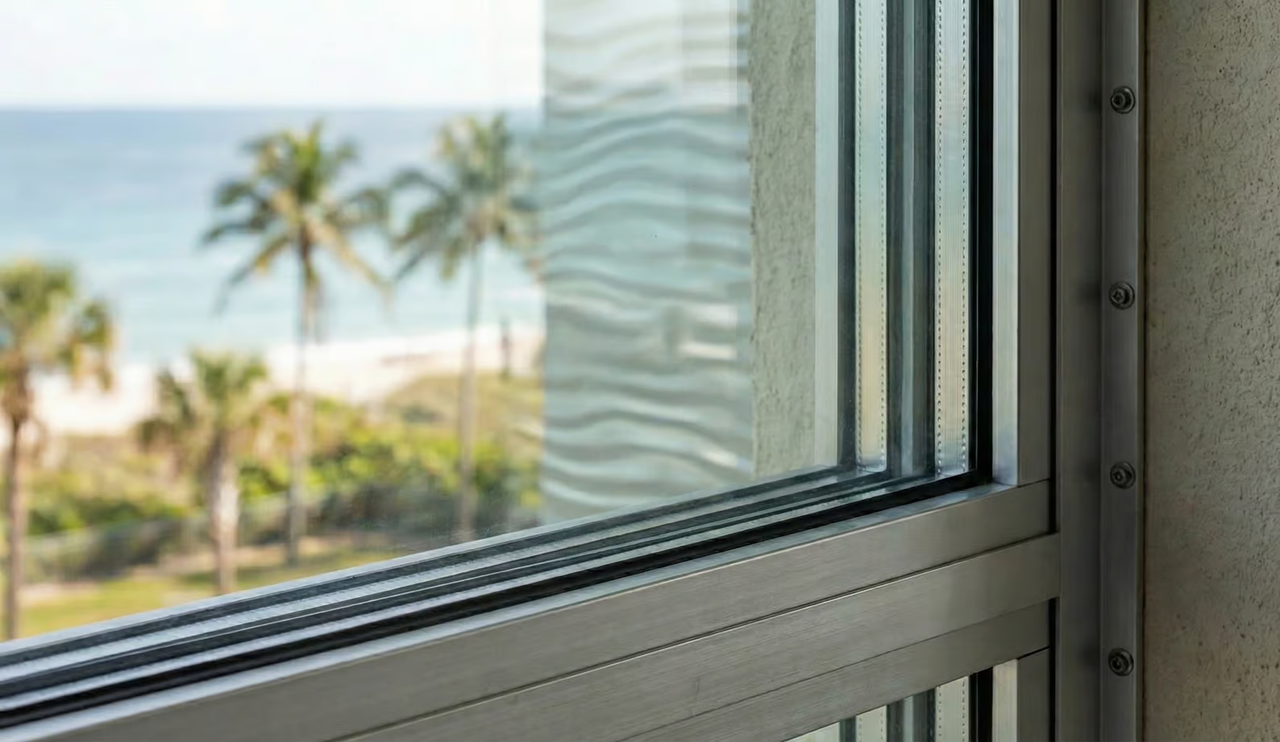
Impact-resistant products were specifically developed to mitigate hazards during extreme weather conditions, such as severe storms and hurricanes. Designed with laminated glass and reinforced frames, these elements are engineered to resist high wind pressure and the impact of windborne debris. If the security provided by your current entries is inadequate, consider upgrading to impact-resistant units for better resilience.
Beyond providing protection against debris impact, hurricane windows—which are impact-rated units with regional approval—also offer additional benefits, including:
The term “hurricane windows” is used to describe impact-resistant solutions that have received the required legal approvals for use in designated hurricane zones. Therefore, the core technology—laminated safety glass and robust framing—remains the same as standard impact windows. The biggest distinction is the verification process and approval for a specific region.
Hurricane-ready units are subjected to rigorous testing to meet stringent standards. These standards typically include:
The product labels must accurately list the manufacturer, the approved product certification agency, and the performance characteristics. The entire assembly, including the laminated glass and the reinforced framing, must carry appropriate ratings and approvals to meet the wind-load requirements of the installation area. What to look for in hurricane and impact windows often involves verifying these ratings.
Even when struck by flying debris during a storm, the polymer interlayer within the glass structure helps contain glass fragments, preventing the window from shattering completely and maintaining the envelope of the building. This containment feature is discussed further in the comparison of impact glass versus tempered glass.
The frame of hurricane-ready units is structurally enhanced compared to standard windows. This reinforcement is necessary to maintain integrity during the extreme cyclic pressure changes characteristic of severe weather, ensuring the system can withstand peak loads.
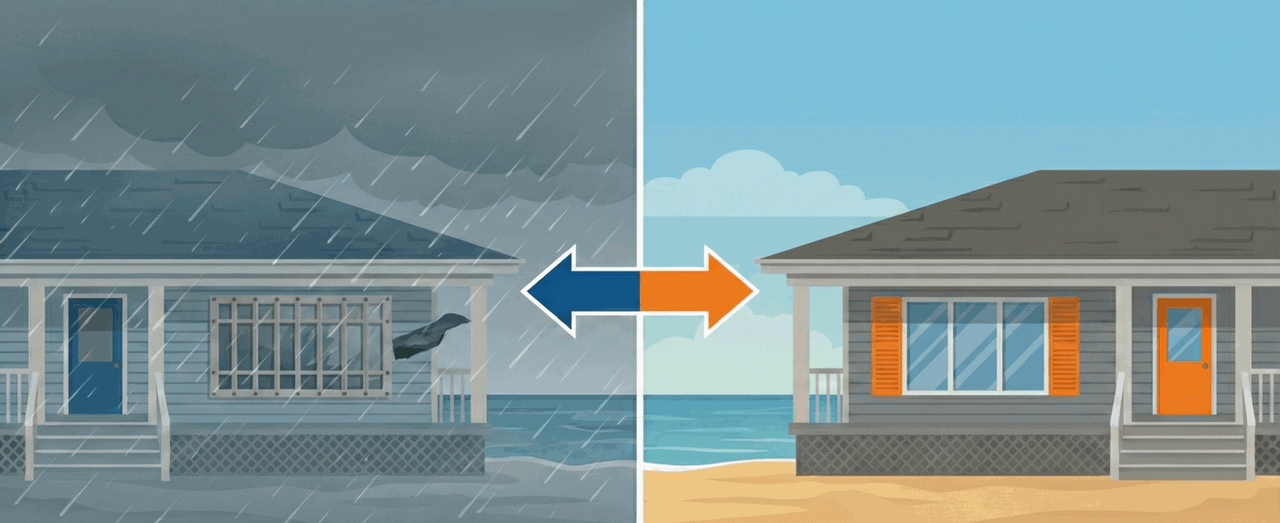
The fundamental question is often: which type of unit is required? The choice depends not on disparate product technology, but on the application and mandatory regional requirements. The products are functionally identical, but the certification differs.
Impact windows are products engineered for impact resistance. Hurricane windows are impact windows that have been tested, approved, and certified for use in designated high-wind or windborne-debris regions. For homeowners, this distinction is crucial because insurance providers and building codes may mandate approved products—i.e., those designated as hurricane-ready for that specific locale. Confirming that you have hurricane windows installed is necessary for compliance.
Both product types utilize the same core technology (laminated glass/reinforced frames) designed to protect against powerful winds and debris. Their actual wind resistance is quantified by the Design Pressure (DP) rating. This rating, rather than subjective terms like “hurricane-proof windows,” determines their resilience. For example, a high DP rating ensures resistance against the forces described in articles discussing Cat 5 hurricane windows, which is a common (though not the most technically accurate) way to refer to highly rated products.
Impact protection is an engineering specification that can be applied across numerous window styles, including double-hung, single-hung, slider, and picture windows. The technology is also implemented in exterior door systems, such as hurricane doors and impact doors.
The consistency of protection across all exterior openings is necessary when preparing for hurricane season, as outlined in articles like preparing windows for hurricane season and securing sliding glass doors.
When selecting the appropriate units for a property, adherence to regional building codes and climate considerations are mandatory:

The terms “hurricane windows” and “impact windows” refer to the products, with the former term confirming the necessary regional approval and compliance for high-risk zones.
Partnering with a professional local contractor is advisable to ensure the specified products meet the necessary DP ratings and have the required approvals for your area. High-quality installation is critical to achieving the published performance ratings of any impact-rated product.
“Hurricane windows” is the common name for impact-resistant windows that have been tested, approved, and certified for use in hurricane-prone regions. In practical terms, an approved hurricane window provides the highest level of certified storm protection.
Impact-resistant windows typically require a higher upfront investment compared to standard windows. Like any product exposed to the environment, they require proper specification for frame and finish to ensure durability against humidity, UV exposure, and salt air in coastal regions.
Windows are not rated by hurricane “category.” Performance is measured by the product’s tested Design Pressure (DP) rating and its compliance with impact standards. Always verify the specific DP rating and approval listing relevant to your local building code requirements, rather than relying on hurricane category descriptors.
If all exterior openings are protected by properly installed and approved impact-resistant products, additional shutters are generally not a code requirement. Some homeowners may elect to use shutters for redundancy. Consult your local building authority and insurance provider for specific mandates.
The wind performance is dictated by the product’s specific Design Pressure (DP) rating and its tested configuration. Review the DP rating, which corresponds to pressure measured in pounds per square foot, and the product’s official approval listing for your region instead of relying on wind speed in MPH or hurricane category terms.

As a content manager at Renuity, Francheska spent nearly two years helping homeowners discover the possibilities of transforming their spaces. Renuity is a leader in home remodeling, specializing in everything from windows and doors to bathrooms and home storage solutions, and she’s proud to be part of a team that prioritizes quality, innovation, and customer satisfaction. She graduated from Florida International University with a double major in International Business and Marketing, ranked among the top programs in the nation. Her passion for home improvement runs deep—since childhood, she’s been inspired by watching HGTV and seeing the magic of remodels come to life. Now, she channels that passion into connecting readers with ideas, tips, and solutions to create homes they love.
Renuity is backed by top industry ratings and trusted by homeowners nationwide for quality, service, and reliability.




Offer expires:
plus 12 months, no interest,no or low monthly payments
claim offer
Get a free, no-obligation estimate and see how easy it is to upgrade to your dream home. One of our local specialists will reach out to schedule your consultation—on your terms.
At Renuity, our greatest pride comes from the trust homeowners place in us and the lasting results we deliver. From seamless installations to transformative home upgrades, we’re committed to making every project simple, stress-free, and built to last. Our family of regional brands includes some of the most respected names in remodeling nationwide, all united by proven expertise and a shared commitment to exceptional service. See how we’ve made a difference for families nationwide and what they have to say about their experiences with Renuity.

All the people we have dealt with from Renuity from the sales rep, office administration & the installers, have been very good to deal with. On the first day of the installation, they found dry rot un...
This was a very pleasant experience. Lance, my salesperson, was very professional and understood my concerns and needs. Blake and Sebastian, the installers of my new shower remodel, were friendly, har...
We have used Renuity Home Improvement (formerly FHIA) five different times, and every experience has been excellent. They replaced the windows in our previous two homes, completed our parents’ two hom...
Excellent salesman Wesley was .kind, friendly and knowledgeable...great guy. The brothers were Excellent and beyond, superb work by them and they were fast with the installation. No better place to h...
We had a roof and windows installed by this company. We had 4 companies we were interviewing. FHIA was the second one we met with. Josh came to our home to present their products and servies to us. I...
Conde was very nice and professional with his work , and they kept me informed of the job as it went forward. These are nice windows that should be trouble free for a long time. They were thorough thr...
Now that windows all installed I am pleased with the work, clean up, craftsmanship of products I am pleased. Conscientious of others property. Installed with great care of surroundings. Do recommend...
Diego came in today right on time, my kitchen window was sticking. Within 10 minutes the window was working perfectly. I love this company !! Everyone at this company was the best from Shaun to Carl...
Outstanding experience from Contact to final sign off. Everyone in this company provided a unique level of customer satisfaction from my experience in this contracting industry. In time calls every ti...
Mike Post was amazing and very thorough. We were well informed about the product, prices, and financing before making our decision. We would definitely recommend them to anyone looking for new windows...