
Trusted By Over 250,000 Customers!
No Interest, No Payments for 12 months on Select Products
No Interest, No Payments for 12 months on Select Products
You can’t have a working bathroom without water. But when that water ends up in places other than the sink, toilet, or tub, it becomes a major headache. Pipes leak, seals wear out, and suddenly you’re dealing with issues that can damage your home and even impact your health.
The good news? You don’t have to wait for a disaster to act. By knowing what to look for, you can catch leaks early before they turn into a major bathroom remodeling project.
Bathrooms can smell funky for plenty of reasons—damp towels or humidity are usually the culprits. But if you’ve scrubbed the room top to bottom and still notice a strong, earthy smell, that’s a red flag.
This persistent odor is often the first sign of hidden water damage. It suggests mold or mildew is growing somewhere you can’t see, like behind the walls or under the vanity. Instead of masking it with candles, try some old-fashioned bathroom deep cleaning. If the smell comes back immediately, it’s time to investigate deeper.
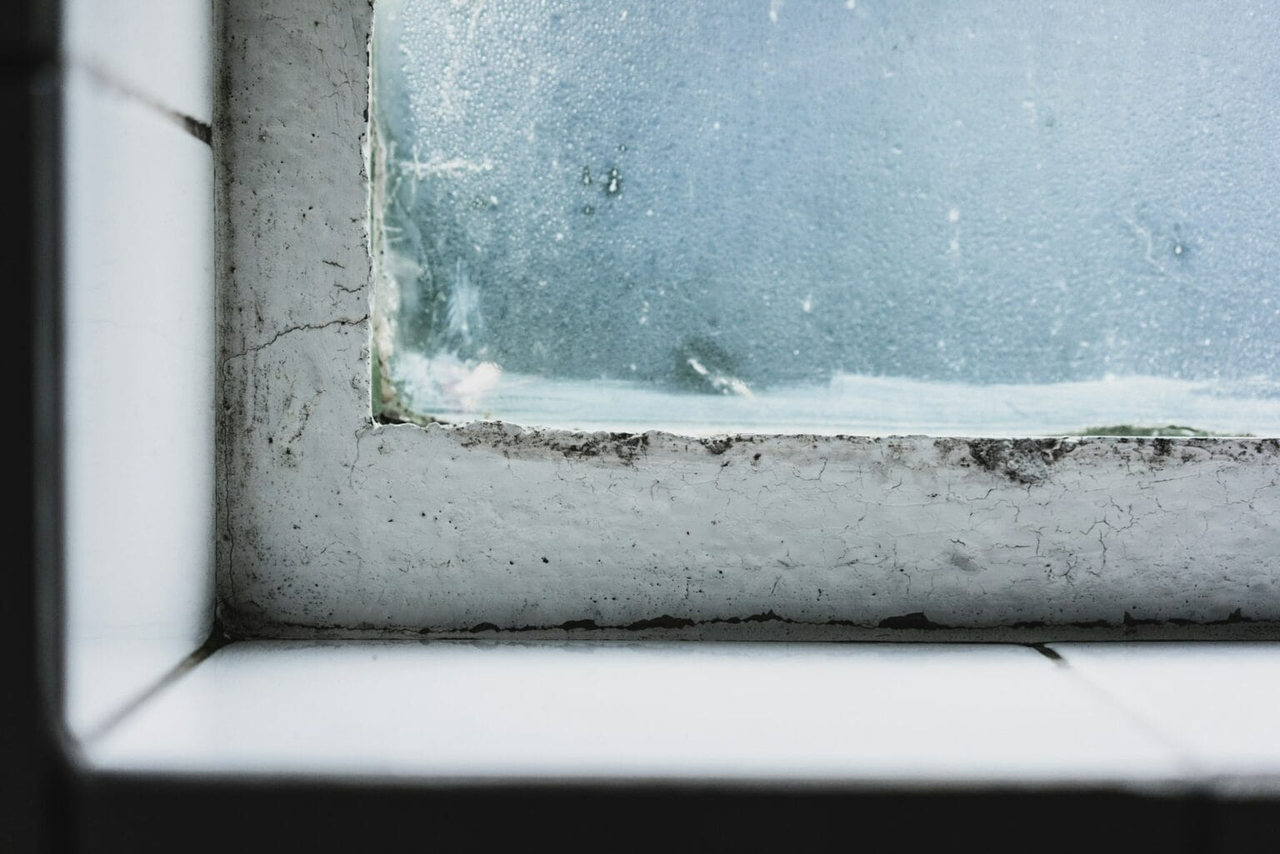
Mold loves moisture, so seeing a little bit in the corner of a shower is common. However, mold shouldn’t be growing on “dry” surfaces like painted walls, baseboards, or the ceiling.
If you see mold spots appearing outside the shower area, it usually means water is leaking behind the wall and feeding the growth from the inside out. While managing bathroom humidity is important, mold on a dry wall is a sign that simply dealing with condensation won’t fix. You likely have a leak.
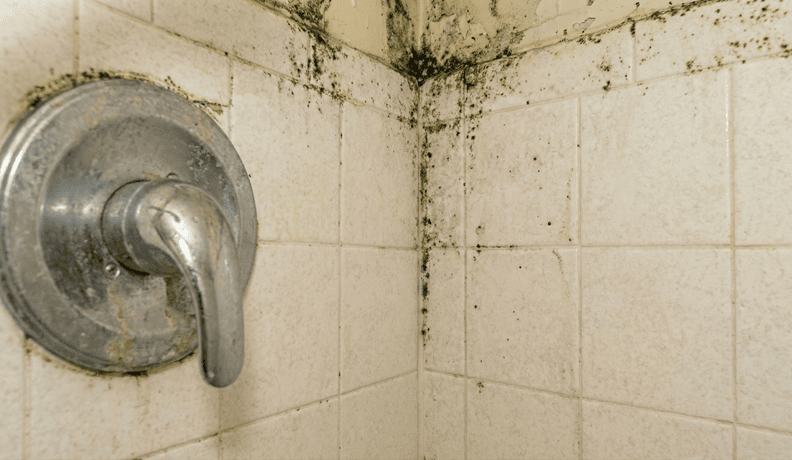
Your plumbing pipes live behind your walls. If one of them springs a leak, the water has to go somewhere—and usually, it soaks into your drywall. Keep an eye out for these visual clues:
Ignoring these changes is one of the common bathroom problems that leads to rot. In most cases, the damaged section of the wall will need to be opened up to fix the pipe.
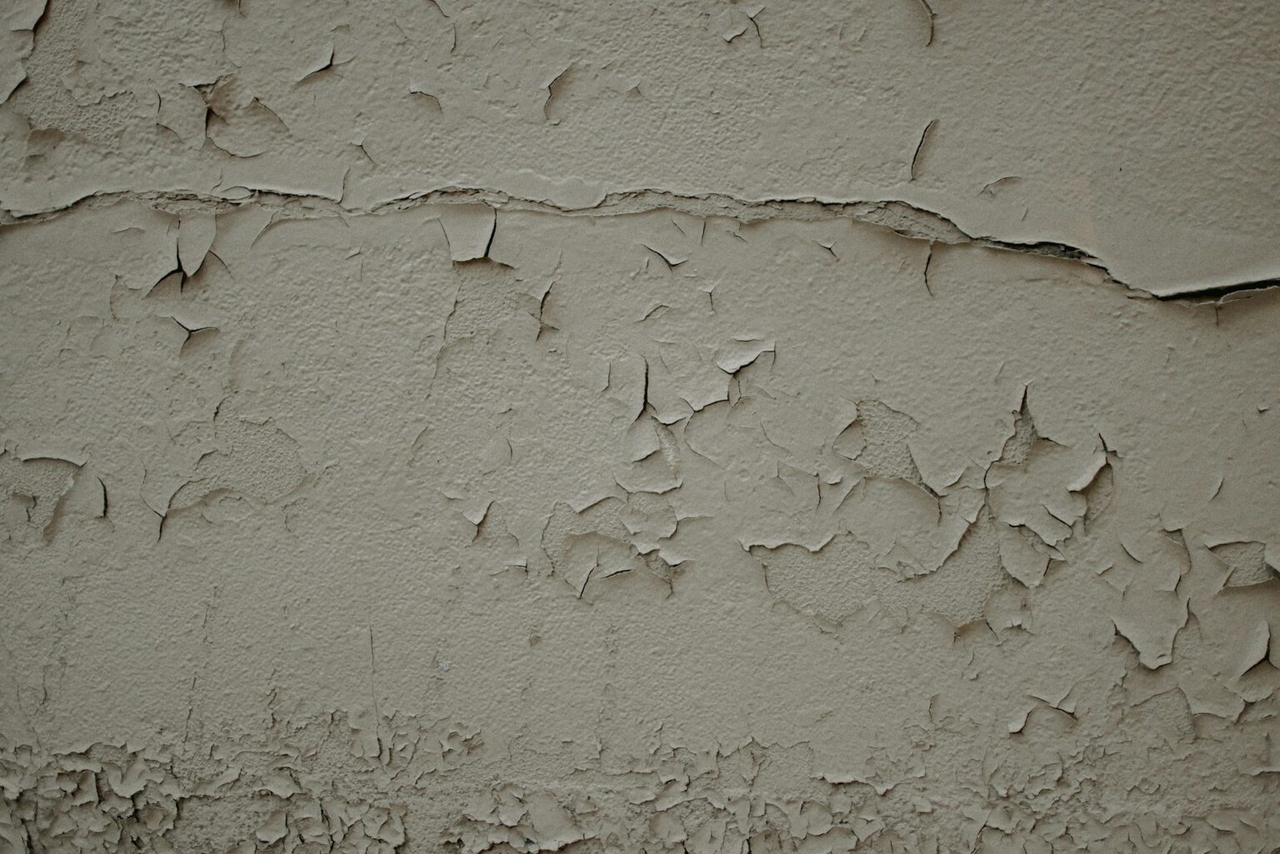
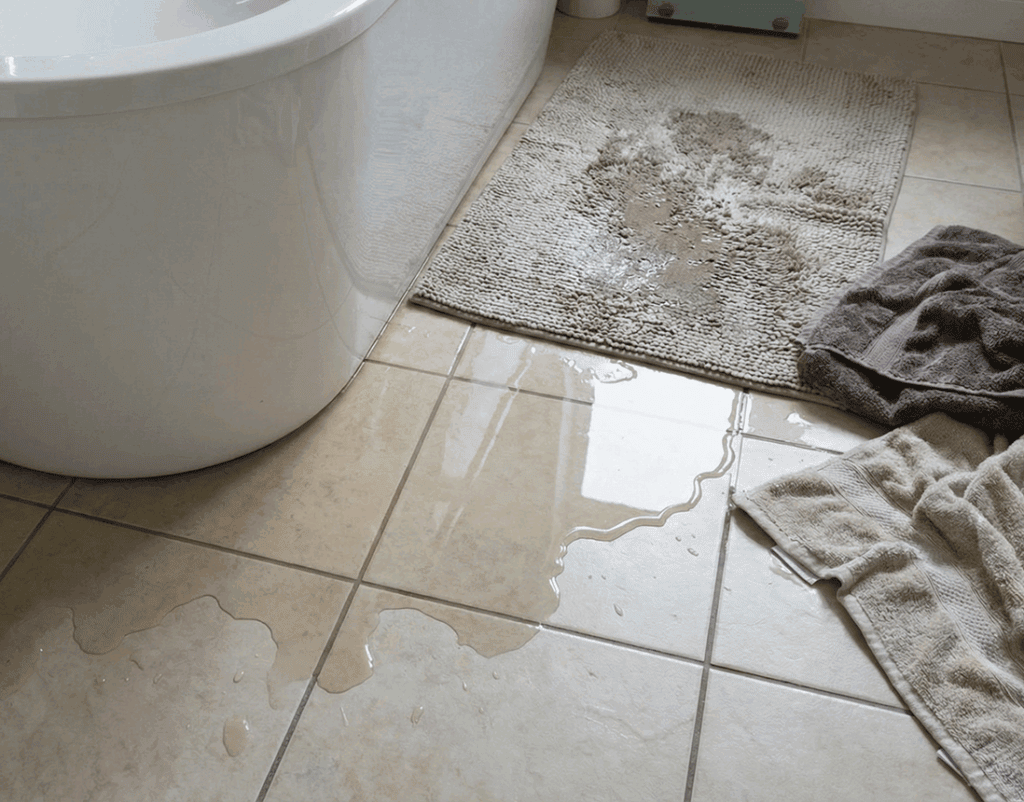
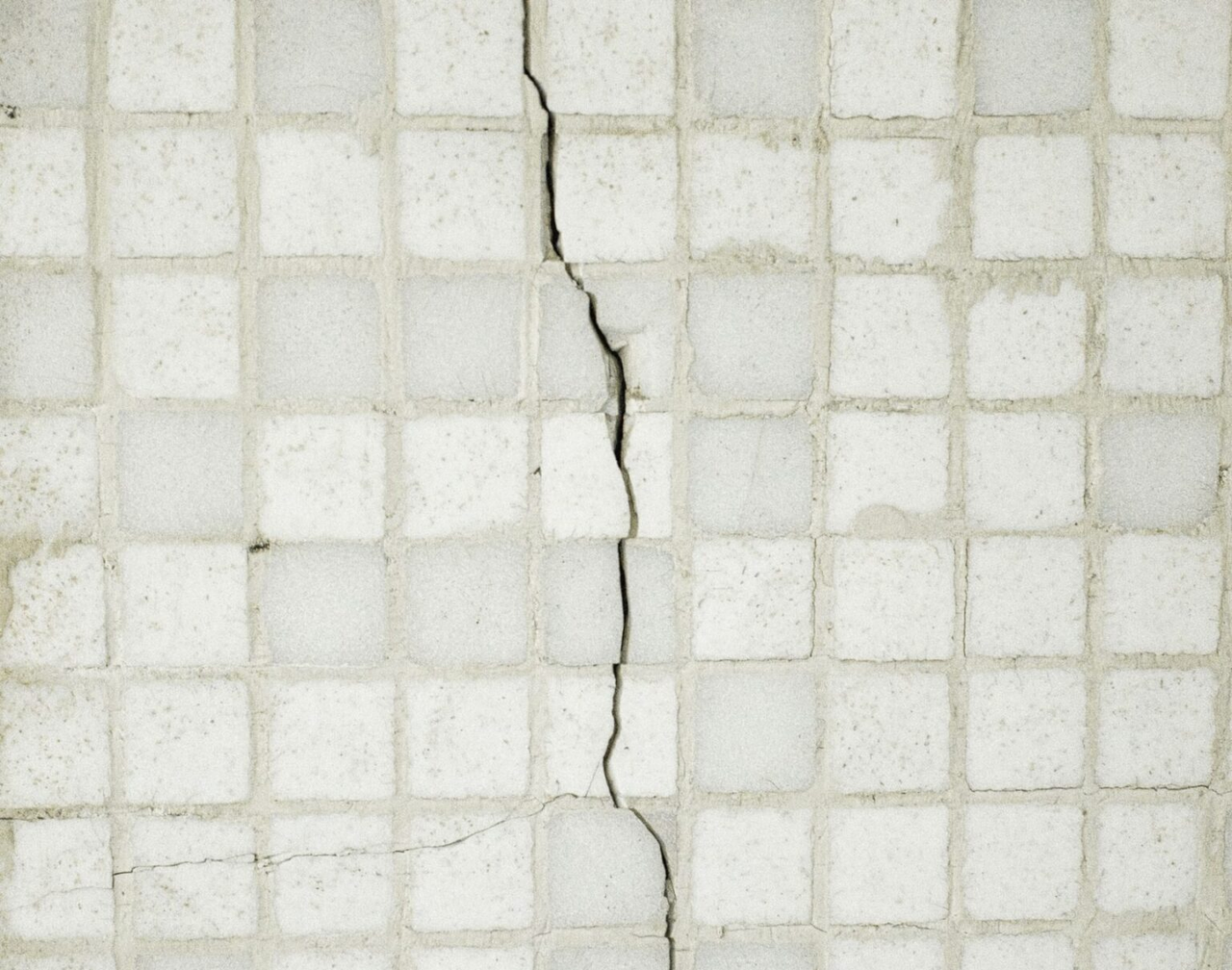
Gravity pulls water down, which means hidden leaks often end up pooling under your floor. This can cause serious damage to your subfloor. Watch out for:
If the floor feels “squishy” when you walk on it, that’s a major safety hazard. Review these signs your bathroom is no longer safe and take steps to prevent further floor water damage immediately.’
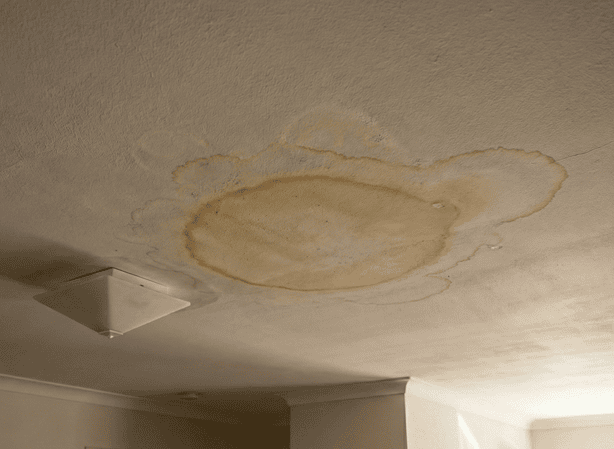
If you have a two-story home, your living room ceiling might tell you more about your bathroom than the bathroom itself. Water leaking from an upstairs toilet, bathtub, or shower will eventually soak through the floor and stain the ceiling below.
These stains usually look like brown, copper, or yellowish circles. Keep in mind that water can travel along beams before dripping, so the stain might not be directly under the leak. Regardless of where it is, a ceiling stain means water is escaping your bathroom.
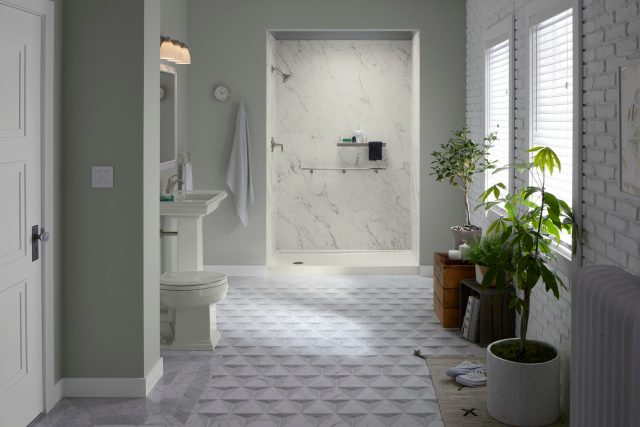
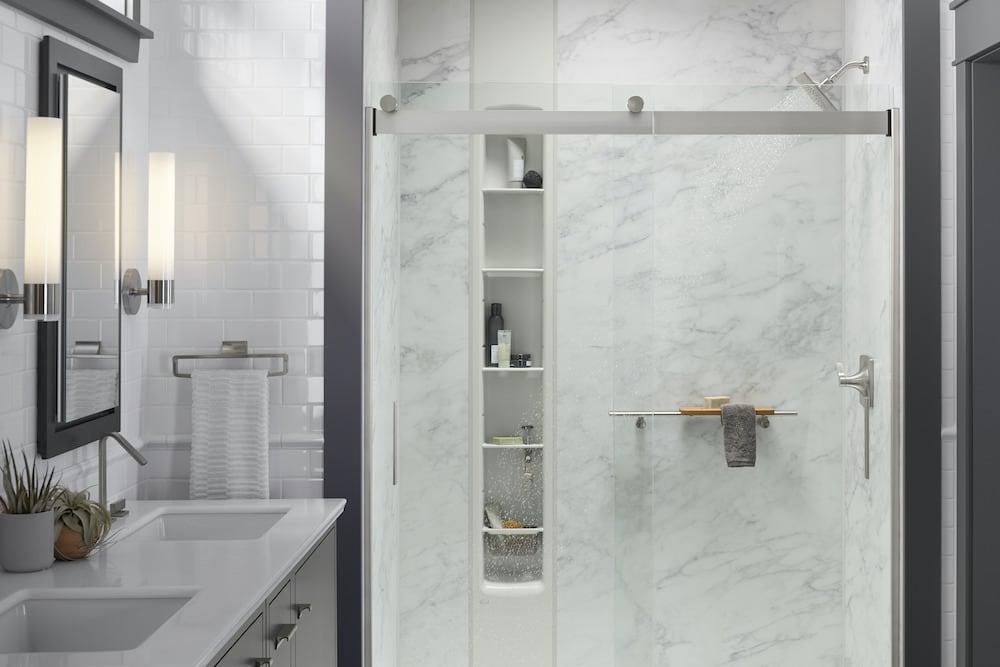
Every bathroom is unique, and while some leaks are a simple quick fix, others indicate that your wet area—the tub or shower—has reached the end of its life. If your bathroom is failing to keep water where it belongs, Renuity can help you upgrade to a waterproof, durable solution.
We specialize in seamless installations that protect your home. Our services include:
Don’t let a small leak turn into a structural nightmare! If you’re seeing these signs, it’s time to call in the pros to secure your home from further damage.

As a content manager at Renuity, Francheska spent nearly two years helping homeowners discover the possibilities of transforming their spaces. Renuity is a leader in home remodeling, specializing in everything from windows and doors to bathrooms and home storage solutions, and she’s proud to be part of a team that prioritizes quality, innovation, and customer satisfaction. She graduated from Florida International University with a double major in International Business and Marketing, ranked among the top programs in the nation. Her passion for home improvement runs deep—since childhood, she’s been inspired by watching HGTV and seeing the magic of remodels come to life. Now, she channels that passion into connecting readers with ideas, tips, and solutions to create homes they love.
Renuity is backed by top industry ratings and trusted by homeowners nationwide for quality, service, and reliability.




Offer expires:
plus 12 months, no interest, no or low monthly payments
claim offer
Get a free, no-obligation estimate and see how easy it is to upgrade to your dream home. One of our local specialists will reach out to schedule your consultation—on your terms.
At Renuity, our greatest pride comes from the trust homeowners place in us and the lasting results we deliver. From seamless installations to transformative home upgrades, we’re committed to making every project simple, stress-free, and built to last. Our family of regional brands includes some of the most respected names in remodeling nationwide, all united by proven expertise and a shared commitment to exceptional service. See how we’ve made a difference for families nationwide and what they have to say about their experiences with Renuity.

Very professional, pleasant, ahead of schedule . Dealing with Danny Guthrie was pleasant and answered all our questions. Their were no other surprise costs. We loved the service, the contractors wer...
All the people we have dealt with from Renuity from the sales rep, office administration & the installers, have been very good to deal with. On the first day of the installation, they found dry rot un...
This was a very pleasant experience. Lance, my salesperson, was very professional and understood my concerns and needs. Blake and Sebastian, the installers of my new shower remodel, were friendly, har...
We have used Renuity Home Improvement (formerly FHIA) five different times, and every experience has been excellent. They replaced the windows in our previous two homes, completed our parents’ two hom...
We are so pleased with our new shower ! The installing crew were friendly, professional and on time. The appearance of the modern shower is so lovely. We would recommend this company 100% if you wa...
Excellent salesman Wesley was .kind, friendly and knowledgeable...great guy. The brothers were Excellent and beyond, superb work by them and they were fast with the installation. No better place to h...
We had a roof and windows installed by this company. We had 4 companies we were interviewing. FHIA was the second one we met with. Josh came to our home to present their products and servies to us. I...
Great workmanship. Great job. The workers was very professional and explained the installation. Clean up after the job was completed. I would definitely recommend this crew to anyone interest. Thanks...
Conde was very nice and professional with his work , and they kept me informed of the job as it went forward. These are nice windows that should be trouble free for a long time. They were thorough thr...
Now that windows all installed I am pleased with the work, clean up, craftsmanship of products I am pleased. Conscientious of others property. Installed with great care of surroundings. Do recommend...