Cabinet refacing in Lansing, MI for central Michigan homes
Lansing is Michigan’s capital and the center of a metro area with housing stock spanning more than a century of development. Over time, seasonal humidity cycling is a problem: dry forced-air heating through winter shrinks wood and weakens adhesive bonds, while humid summers cause expansion that stresses finishes and joints. The Lansing Board of Water & Light sources water from wells throughout Ingham County, and the groundwater’s mineral content enters kitchens as vapor during cooking and dishwashing, settling on cabinet surfaces and accelerating finish breakdown. In Lansing’s early-1900s homes near downtown and the Westside, as well as post-war ranches and colonials throughout the metro, cabinet boxes frequently remain structurally solid while the doors, drawer fronts, and visible surfaces show the accumulated effects of decades of exposure.
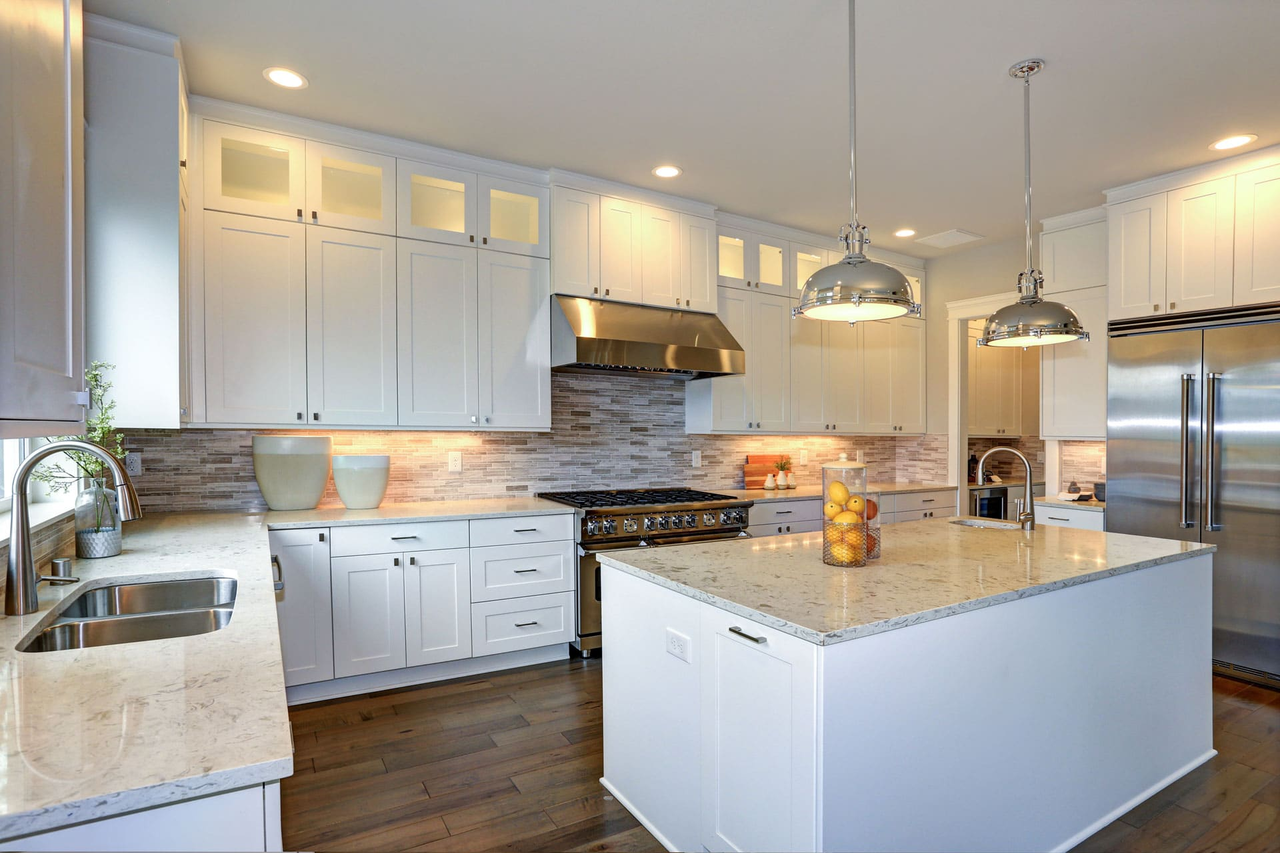
Renuity provides kitchen cabinet refacing in Lansing, replacing the visible components of your cabinetry with new factory-finished materials while keeping the existing boxes in place. The result is a fully updated kitchen without demolition, plumbing disruption, or the extended downtime that full replacement requires.
What cabinet refacing in Lansing includes
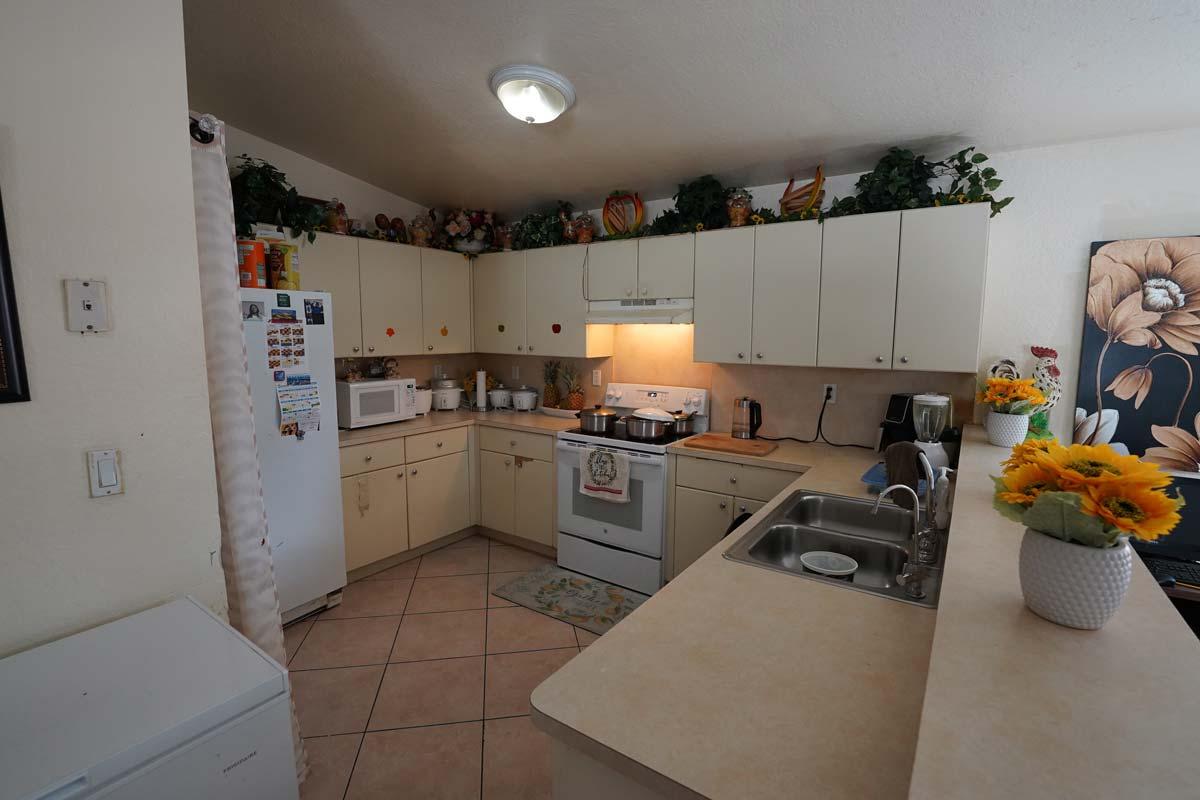
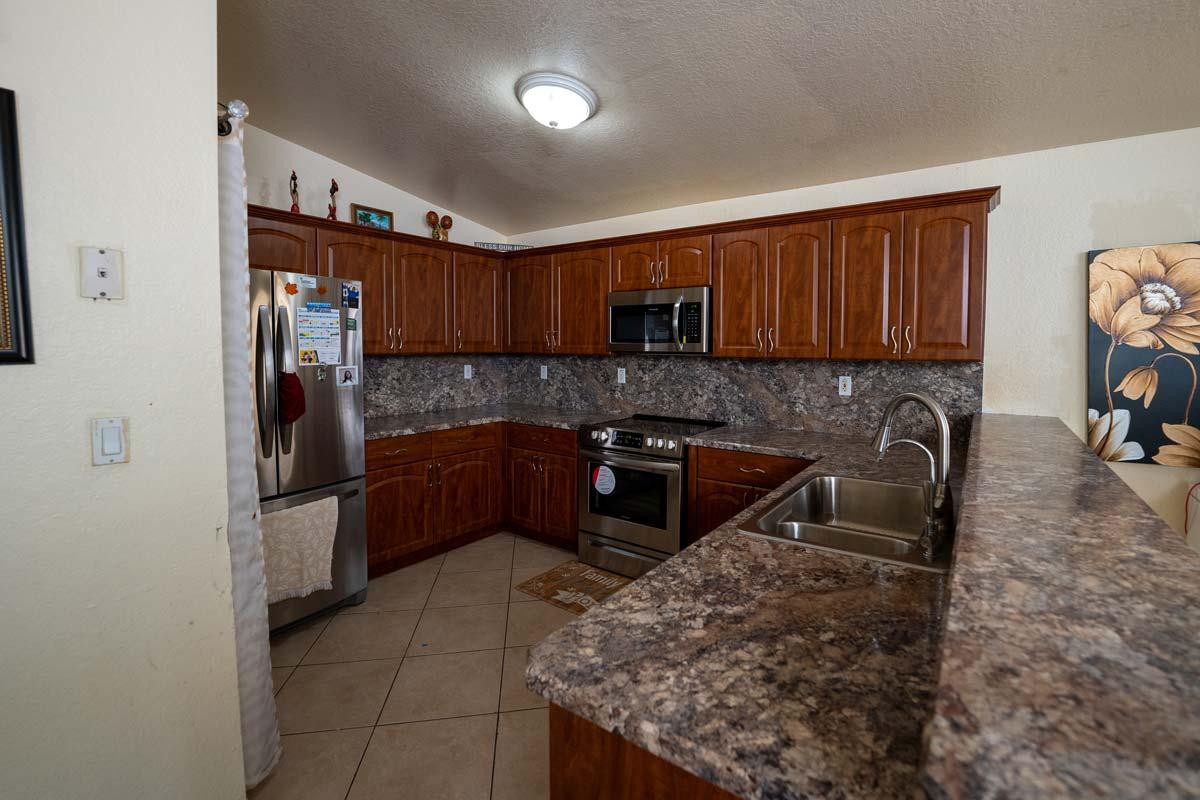
Kitchen cabinet refacing replaces the doors, drawer fronts, and exposed frame surfaces with new materials. Matching veneer is applied to visible cabinet box faces, creating a unified appearance across every surface. New hardware is installed to complete the update. Your existing cabinet boxes, layout, and storage configuration stay exactly where they are.
For Lansing homeowners, this approach avoids the cost and disruption of tearing out cabinetry that still functions well structurally. Full replacement involves removing everything down to the wall, potentially rerouting plumbing and electrical, and leaving the kitchen unusable for weeks. When the existing boxes are sound, refacing delivers the visual transformation at a fraction of the cost and timeline.
Kitchen cabinets design options in Lansing, MI
Lansing’s architectural variety ranges from Craftsman bungalows and Foursquares in the Westside and Old Town areas to post-war ranches and colonials in surrounding residential zones. Lansing kitchen cabinets should complement those existing contexts. Refacing selections include shaker profiles, raised-panel options, flat-panel contemporary styles, and transitional designs. Wood-grain textures, solid color palettes, and a full range of finish options provide flexibility across the city’s varied housing stock.
Beyond appearance, finish and hardware choices affect how the kitchen functions daily. Lighter finishes brighten kitchens where natural light is limited during Michigan’s overcast months. Durable coatings resist the moisture and grease exposure that cooking produces. Soft-close hinges and updated drawer glides reduce wear on mounting points and improve the quality of daily use.
How refacing compares to other cabinet updates
Painting and refinishing are cosmetic treatments that work with existing surfaces, which means they inherit whatever wear, adhesion issues, or humidity damage the original material already has. In mid-Michigan’s climate, those problems tend to return within a few years. Full replacement makes sense when cabinet boxes are structurally compromised, but when the boxes are sound, it adds significant cost and timeline without a proportional improvement in the finished result. Refacing replaces the doors, drawer fronts, and visible veneer with new factory-finished materials while keeping the existing structure in place, delivering a full style change with new hardware and no demolition.
Features that support long-term performance
Lansing kitchens cycle between dry forced-air heating and humid summer conditions every year, and cabinet materials need to handle that without cracking, warping, or losing adhesion. Refacing components are selected with this in mind.
- Moisture-resistant finishes that maintain adhesion and color through mid-Michigan’s seasonal humidity shifts
- Factory-finished doors and drawer fronts with consistent coating thickness, avoiding the application variability of on-site painting
- Veneer surfaces engineered to bond securely and maintain dimensional stability through heating and cooling cycles
- Updated soft-close hinges and drawer glides that improve daily operation and reduce wear on door and frame mounting points
Installation process
The installation process begins with an evaluation of the existing cabinet layout, frame condition, and environmental factors specific to your kitchen. Material selections are chosen to match your design goals and the performance demands of Lansing’s climate conditions.
Preparation includes surface cleaning, veneer application to exposed cabinet frames, new door and drawer front installation, and hardware alignment. Most kitchen cabinet refacing projects in Lansing are completed within a few days, and the kitchen remains functional throughout the process.