Window replacement in Grand Haven for lakeshore exposure
Grand Haven sits directly on Lake Michigan’s eastern shore, and windows here take more punishment than in any inland community in the region. Wind-driven rain hits west-facing glass at sustained force during storms, working moisture into seal joints and frame connections that weren’t designed for that level of exposure. Lake-effect humidity persists through much of the year, promoting condensation between panes and accelerating weatherstripping breakdown. In winter, the combination of sub-zero temperatures on the exterior and heated interior air creates extreme temperature differentials that damage window components.
Grand Haven’s housing stock amplifies these challenges. Many properties near the waterfront were originally built as seasonal cottages with windows specified for summer use, not year-round lakeshore exposure. Even year-round homes along the Grand River channel and in established neighborhoods inland face accelerated window aging compared to homes 20 miles east.
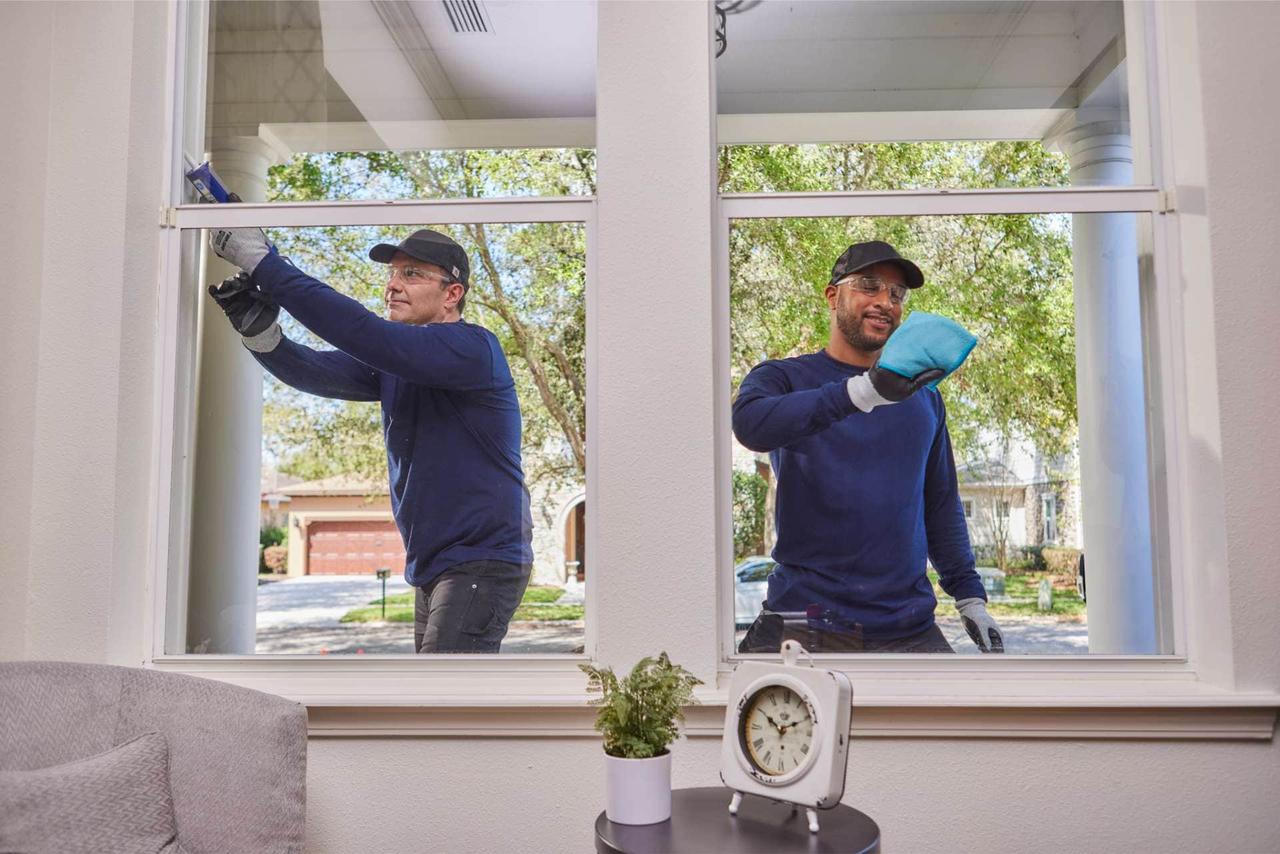
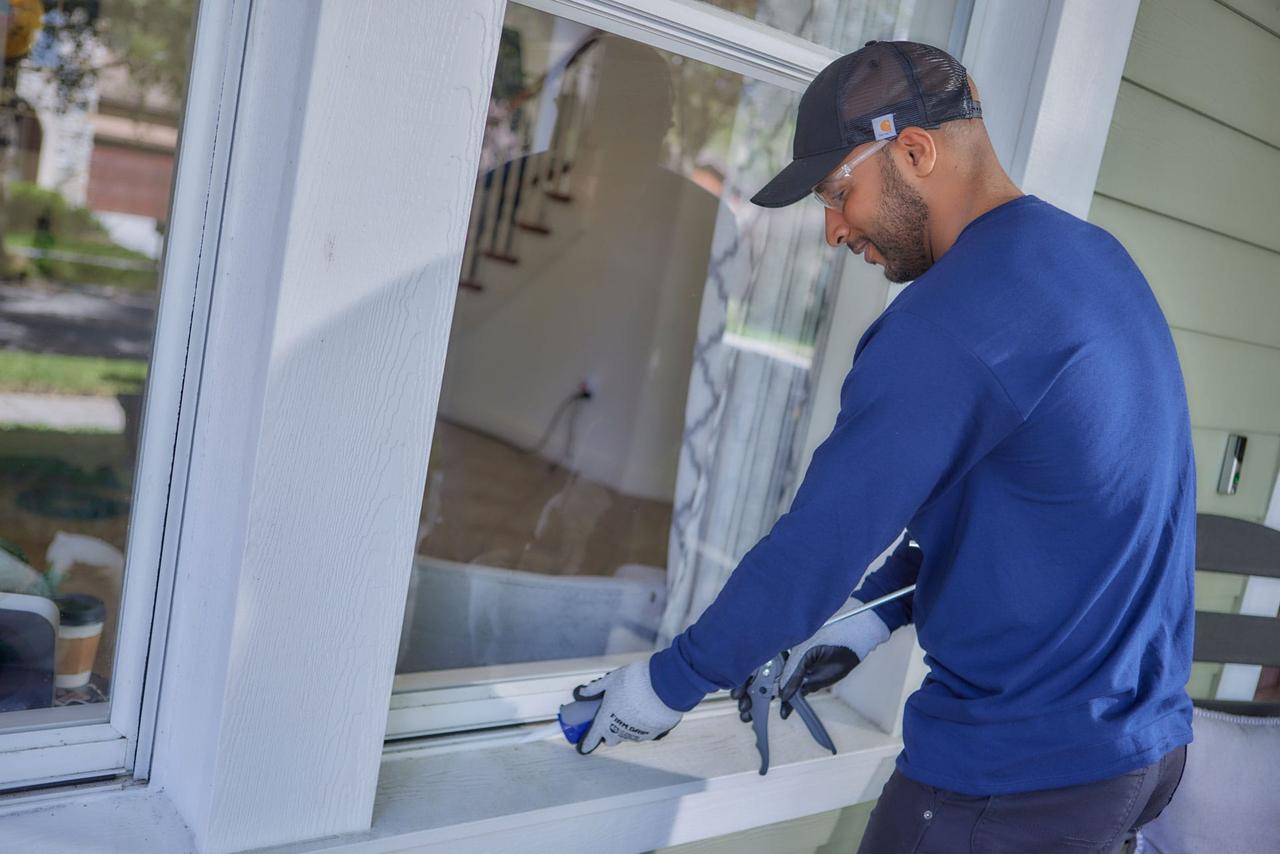
Renuity provides replacement windows in Grand Haven, MI with frame materials and glass systems selected for this specific environment. Our process emphasizes accurate measurement, custom fabrication, and sealing methods that account for the wind loads and moisture exposure lakeshore homes face. Many homeowners begin by exploring our overview of windows to compare frame styles, ventilation options, and sightlines.
Window styles for Grand Haven house windows
Lakeshore homes need windows that balance thermal performance with the ability to capture views and manage ventilation in a high-moisture, high-wind environment. The styles below are ordered by how frequently they’re installed in Grand Haven, with each description addressing how the style performs under lakeshore conditions.
- Casement windows: The compression seal that forms when a casement sash closes makes this style one of the most effective at resisting air and water infiltration, which is why it’s a top choice for Grand Haven’s wind-exposed elevations. Side-hinged panels swing outward for full unobstructed openings when weather permits.
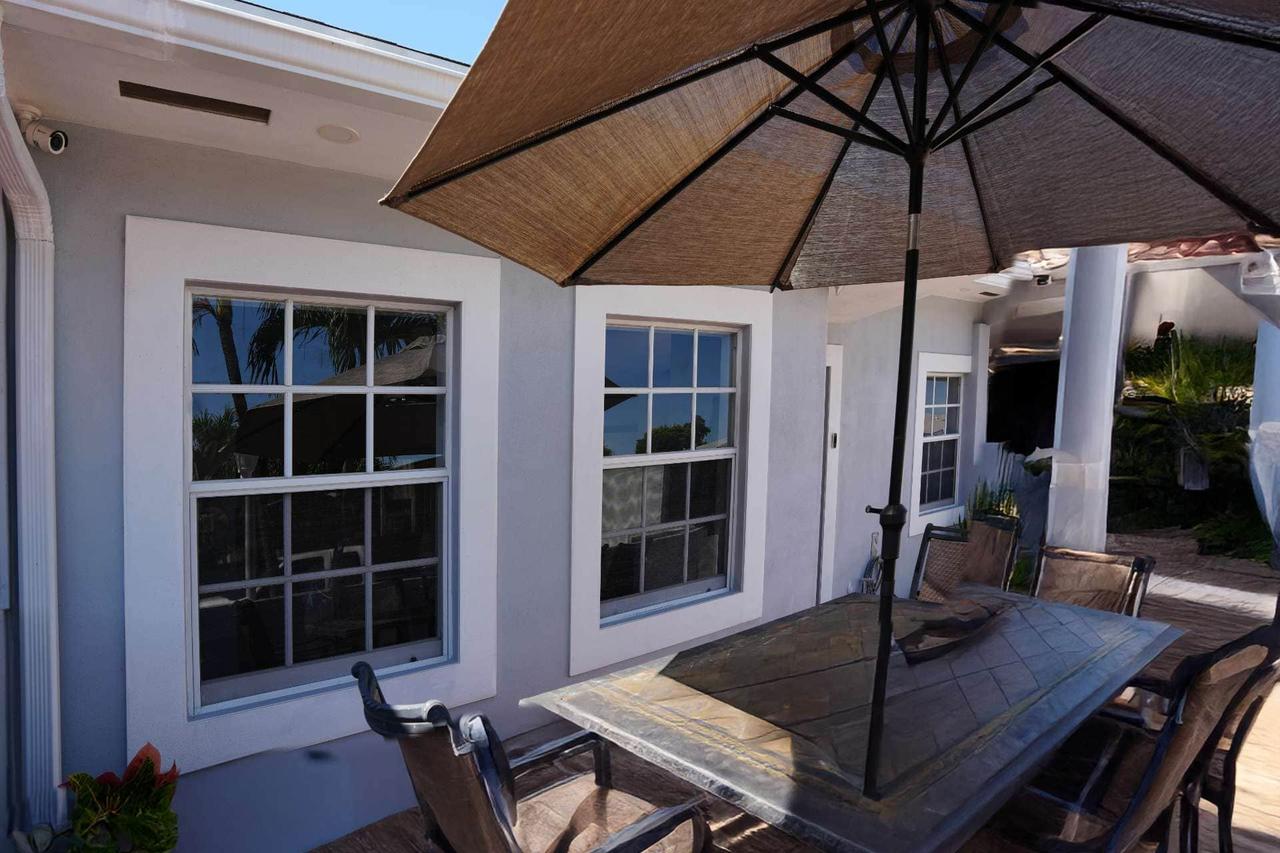
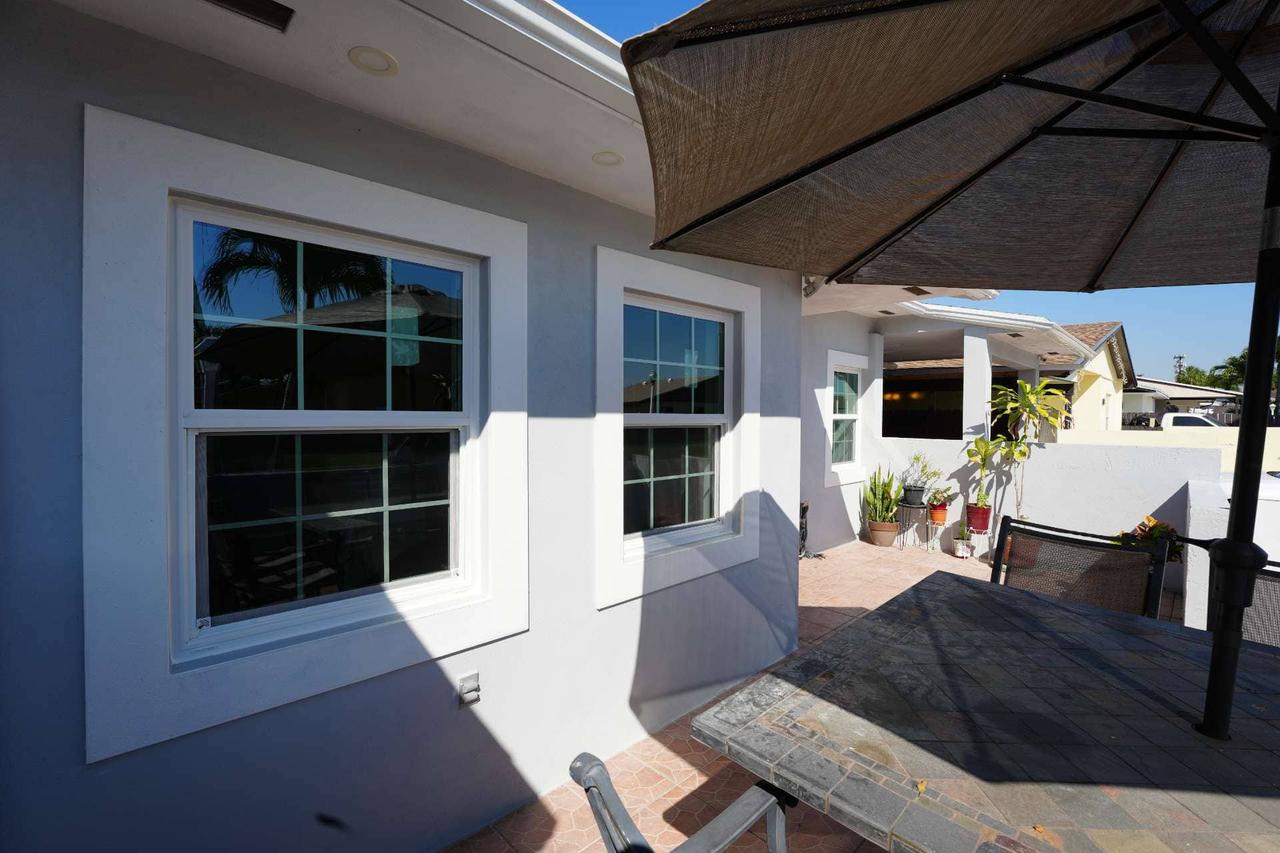
- Double-hung windows: Two operable sashes provide flexible airflow control and simplify cleaning from inside the home. These fit the proportions of Grand Haven’s Cape Cods, classic cottages, and established-neighborhood colonials. On lakeward elevations, pairing double-hung units with high-performance glass offsets the slightly lower air-infiltration resistance compared to casement.
- Picture windows: Fixed panes with no operable joints deliver the highest insulation value and strongest structural resistance to wind loads. In Grand Haven, picture windows are frequently used on west-facing walls to capture lake views without creating a vulnerability to wind-driven rain.
- Awning windows: Top-hinged panels that allow ventilation while deflecting rain away from the opening. Particularly useful in Grand Haven, where opening a window during mild weather often coincides with passing showers off the lake.
- Sliding windows: Horizontal gliding sashes for basements, hallways, and sheltered elevations where wind exposure is lower and space-saving operation is needed.
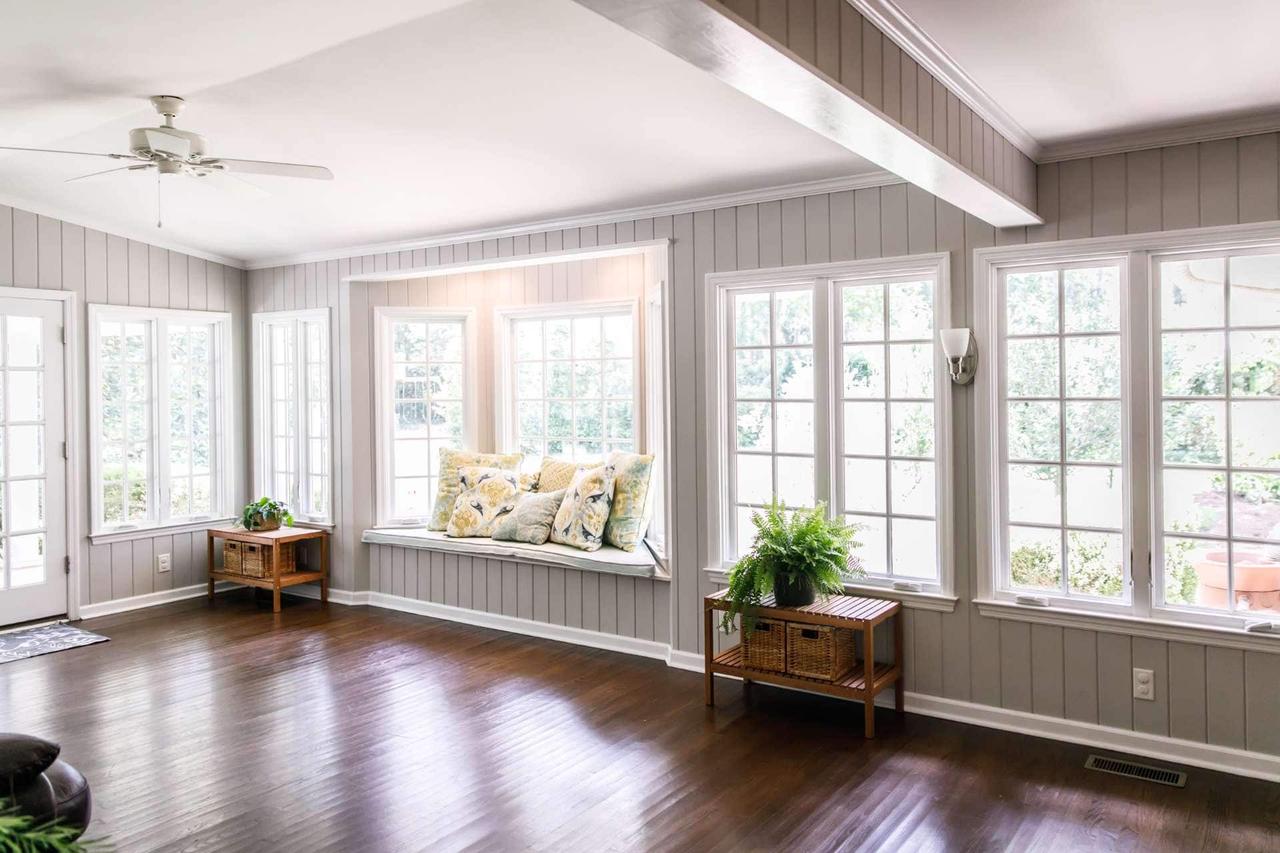
- Bay windows and bow windows: Multi-panel configurations that project outward to capture light and views from multiple angles. These suit Grand Haven’s wider waterfront and riverfront elevations.
- Hopper windows: Bottom-hinged basement units for secure ventilation.
- Garden windows: Provide a sun-catching projection with built-in shelves, typically installed above kitchen sinks on sheltered elevations.
Energy performance and materials for lakeshore conditions
Lakeshore homes lose heat faster than inland homes because wind accelerates thermal transfer through the glass. A window’s rated insulation value assumes still-air conditions on the exterior. In Grand Haven, where sustained winds off Lake Michigan are common from fall through spring, the effective performance of a window depends heavily on glass quality, gas fill, and how well the frame resists air infiltration under pressure.
- High-performance glass: Multi-pane packages with low-emissivity coatings reduce heat transfer through the glass. In Grand Haven, triple-pane options with krypton gas fill provide additional thermal resistance for the most exposed elevations. Details on how coatings and gas fills affect performance are available on our energy-efficient windows page.
- Frame material: Vinyl windows resist the warping, swelling, and rot that wood frames experience under sustained moisture exposure. This is especially relevant in Grand Haven, where lakeshore humidity and wind-driven rain keep exterior surfaces wet longer than in inland locations. Vinyl requires no painting or staining and maintains its properties over the life of the window.
- Project scope: Our window replacement page explains how we stage whole-home projects to limit disruption while delivering consistent performance across every opening.
Why Grand Haven homeowners choose Renuity
Choosing a window company in Grand Haven means finding a team that understands lakeshore exposure, not just standard residential installation. Renuity provides:
- Licensed installers experienced with the wind loads, moisture patterns, and sealing requirements specific to lakeshore homes
- Transparent estimates that itemize products, labor, and timelines
- Climate-ready specifications for sustained humidity, sub-zero winters, and wind-driven rain
- Custom sizing that integrates with existing trim, siding, and exterior details across Grand Haven’s mix of converted cottages, established homes, and newer construction
- Strong warranties that protect your investment and support long-term value