
Trusted By Over 250,000 Customers!
No Interest, No Payments for 12 months on Select Products
No Interest, No Payments for 12 months on Select Products
Energy-efficient windows are a strategic home upgrade. They are designed to achieve multiple objectives: reducing energy consumption, generating cost savings, decreasing the home’s carbon footprint, and increasing property value.
This analysis will detail the functional technology of these energy-efficient windows, quantify potential savings, and outline the investment required to achieve superior indoor comfort year-round.
Modern energy-efficient windows employ advanced features that surpass the performance of standard, older alternatives. These features enhance interior comfort and substantially reduce energy loss, directly lowering utility expenses.
Furthermore, quality replacement windows often feature fusion-welded frames. This process melts the frame corners together, eliminating gaps, seams, or weak points common in mechanically fastened frames. This robust construction effectively prevents air and water infiltration, which is crucial for performance.
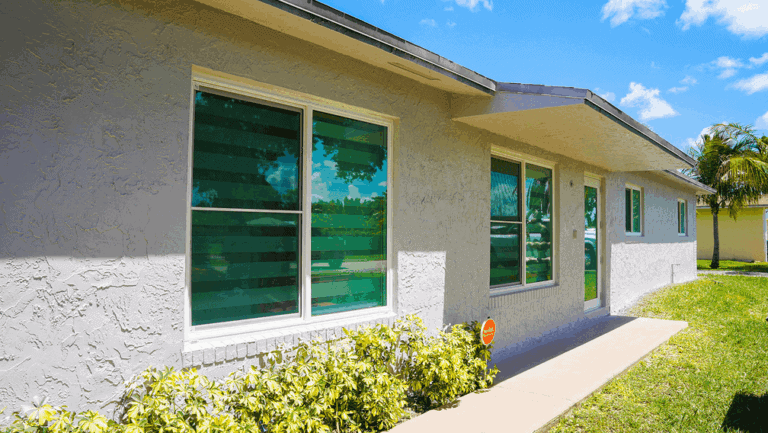
A window’s operational style impacts its seal performance. Certain styles are inherently more efficient due to the nature of their closing mechanism.
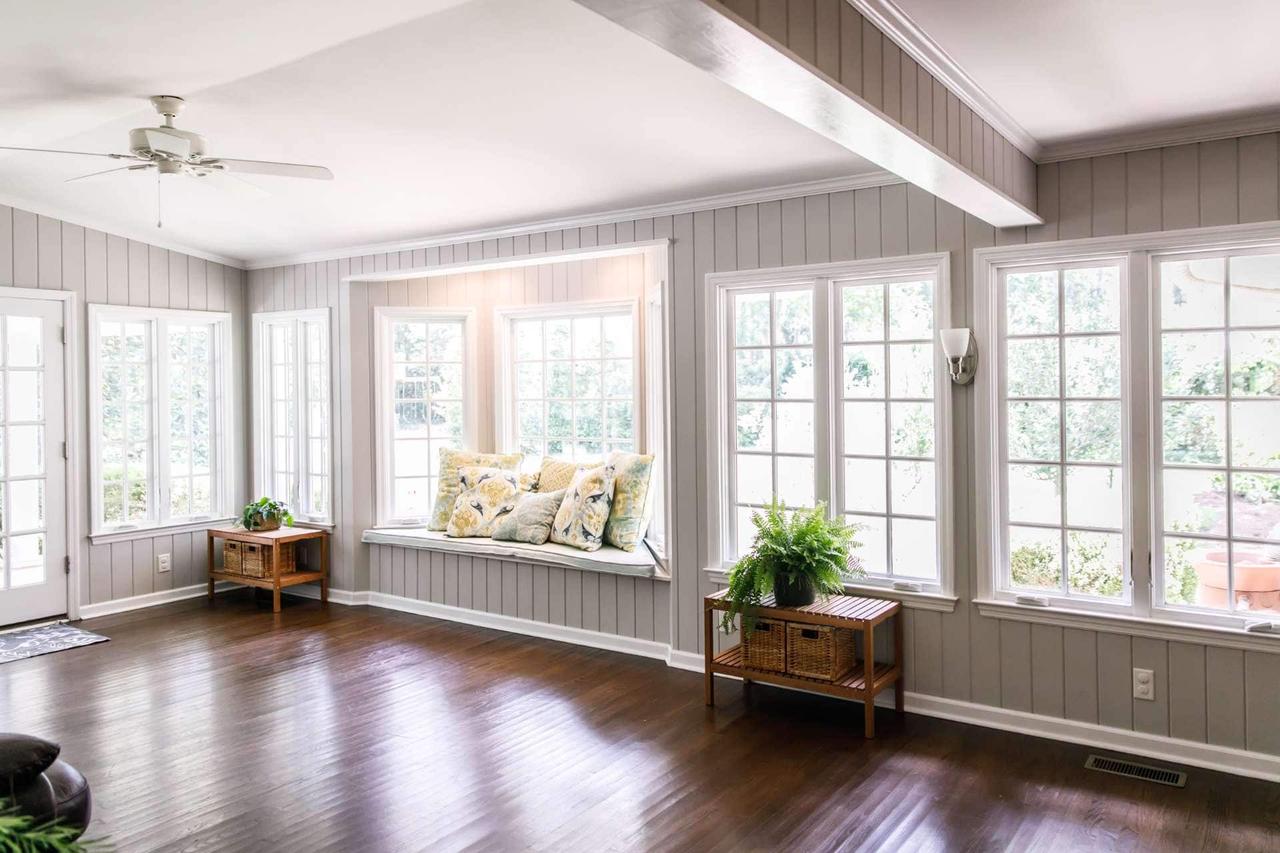
Additionally, picture windows and other fixed styles (like bay, bow, and shaped windows) are also highly efficient because they lack moving parts. The permanently sealed frame minimizes heat loss and stops air leakage. Furthermore, large glass areas maximize natural light, reducing the need for artificial lighting during daylight hours. Other styles that maintain tight seals when closed include awning windows and hopper windows.
The cost of energy-efficient windows varies based on several factors. Although the initial price is typically higher than that of standard windows, this must be evaluated against the long-term value and sustained energy savings.
Price is primarily affected by the level of energy efficiency. Double-pane windows are more economical than triple-pane models, though triple-pane units provide superior insulation. Features like specialized low-E coatings or inert gas fills also contribute to a higher price point. Reputable brands that offer strong, comprehensive warranties may have higher initial costs, but this usually translates to better long-term value.
Installation costs depend on project complexity, the total number of units, and whether any structural work, such as reframing, is required. To assist with initial costs, companies offer discounts and flexible payment plans. Homeowners purchasing products with an Energy Star rating can generally expect costs between $320 and $2,000 per window, depending on the material and style. The Energy Star designation certifies that the product meets stringent performance guidelines established by the US Environmental Protection Agency (EPA) and verified by the National Fenestration Rating Council (NFRC).
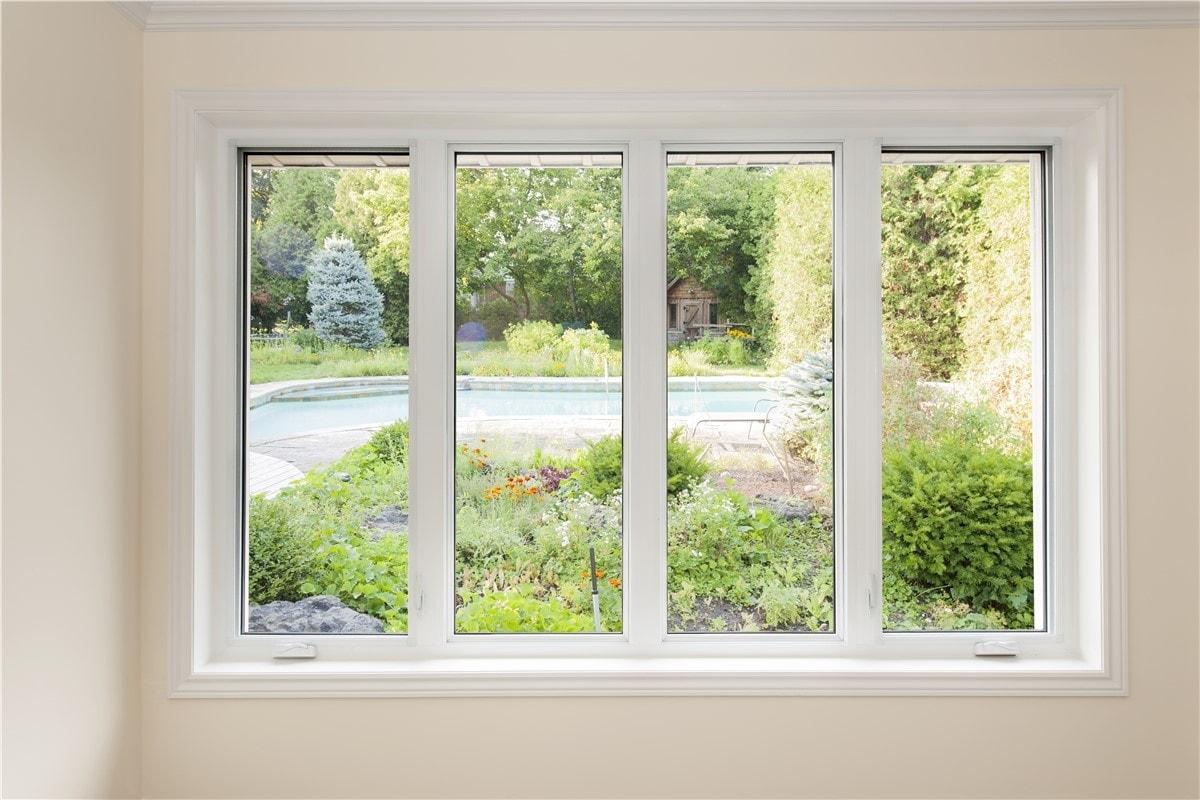
High-performance windows generate measurable savings. Homeowners can typically expect to save between 12% and 33% annually on utility bills after installation. These savings are particularly noticeable in climates where heating or cooling demands are high.
Beyond the reduced demand on the HVAC system, these windows offer secondary benefits. Many certified hurricane and impact products inherently possess the multi-pane, reinforced structure of high-efficiency units, offering dual benefits of low utility costs and enhanced storm protection.
Furthermore, high-efficiency models can block up to 98% of harmful UV rays. This UV filtration prevents fading and damage to furniture, flooring, and artwork, preserving interior assets.
The advantages of choosing energy-saving solutions extend beyond financial returns:
The product’s performance relies heavily on professional installation. Even the highest-rated windows will underperform if the installation lacks precision or is non-compliant with manufacturer specifications.
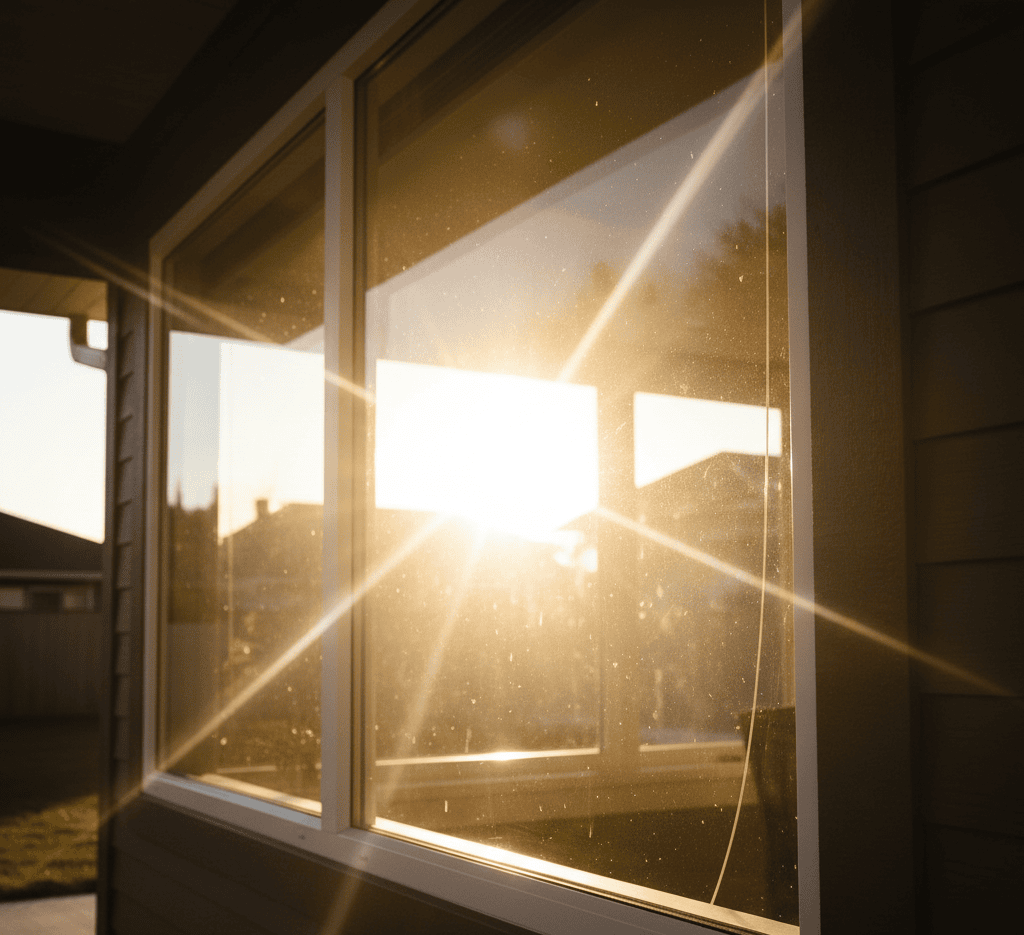
The most energy-efficient windows feature triple-pane glass with low-E (low-emissivity) coatings and inert gas fills between the panes, offering superior thermal performance compared to double-pane alternatives. Casement styles are often cited as the most efficient operational type because their closing mechanism creates an extremely tight seal. Regardless of style, efficiency is tied to the frame material, with vinyl and fiberglass being the best insulating choices. Products must be Energy Star-certified to confirm they meet strict performance standards.
On average, homeowners can achieve annual savings of approximately 12% to 33% on utility bills after installing energy-efficient windows. This upgrade is also recognized as a key factor that increases a home’s overall market value.
Single-hung windows are typically slightly more energy-efficient than double-hung windows. This is because single-hung styles have only one moving sash, which results in fewer potential points for air leakage compared to the two moving sashes present in double-hung alternatives.
To verify a window’s efficiency, first check for the Energy Star label and the NFRC (National Fenestration Rating Council) sticker, which provides performance ratings like the U-factor and Solar Heat Gain Coefficient (SHGC). Physical signs of poor efficiency include noticeable drafts, cold spots near the glass, or high, persistent utility bills, all of which indicate substantial energy loss.

As a content manager at Renuity, Francheska spent nearly two years helping homeowners discover the possibilities of transforming their spaces. Renuity is a leader in home remodeling, specializing in everything from windows and doors to bathrooms and home storage solutions, and she’s proud to be part of a team that prioritizes quality, innovation, and customer satisfaction. She graduated from Florida International University with a double major in International Business and Marketing, ranked among the top programs in the nation. Her passion for home improvement runs deep—since childhood, she’s been inspired by watching HGTV and seeing the magic of remodels come to life. Now, she channels that passion into connecting readers with ideas, tips, and solutions to create homes they love.
Renuity is backed by top industry ratings and trusted by homeowners nationwide for quality, service, and reliability




Offer expires:
plus 12 months, no interest,no or low monthly payments
claim offer
Get a free, no-obligation estimate and see how easy it is to upgrade to your dream home. One of our local specialists will reach out to schedule your consultation—on your terms.
At Renuity, our greatest pride comes from the trust homeowners place in us and the lasting results we deliver. From seamless installations to transformative home upgrades, we’re committed to making every project simple, stress-free, and built to last. Our family of regional brands includes some of the most respected names in remodeling nationwide, all united by proven expertise and a shared commitment to exceptional service. See how we’ve made a difference for families nationwide and what they have to say about their experiences with Renuity.
Very professional, pleasant, ahead of schedule . Dealing with Danny Guthrie was pleasant and answered all our questions. Their were no other surprise costs. We loved the service, the contractors wer...
All the people we have dealt with from Renuity from the sales rep, office administration & the installers, have been very good to deal with. On the first day of the installation, they found dry rot un...
This was a very pleasant experience. Lance, my salesperson, was very professional and understood my concerns and needs. Blake and Sebastian, the installers of my new shower remodel, were friendly, har...
We have used Renuity Home Improvement (formerly FHIA) five different times, and every experience has been excellent. They replaced the windows in our previous two homes, completed our parents’ two hom...
We are so pleased with our new shower ! The installing crew were friendly, professional and on time. The appearance of the modern shower is so lovely. We would recommend this company 100% if you wa...
Excellent salesman Wesley was .kind, friendly and knowledgeable...great guy. The brothers were Excellent and beyond, superb work by them and they were fast with the installation. No better place to h...
We had a roof and windows installed by this company. We had 4 companies we were interviewing. FHIA was the second one we met with. Josh came to our home to present their products and servies to us. I...
Great workmanship. Great job. The workers was very professional and explained the installation. Clean up after the job was completed. I would definitely recommend this crew to anyone interest. Thanks...
Conde was very nice and professional with his work , and they kept me informed of the job as it went forward. These are nice windows that should be trouble free for a long time. They were thorough thr...
Now that windows all installed I am pleased with the work, clean up, craftsmanship of products I am pleased. Conscientious of others property. Installed with great care of surroundings. Do recommend...