Trusted By Over 250,000 Customers!
No Interest, No Payments for 12 months on Select Products
No Interest, No Payments for 12 months on Select Products
Feeling cold even when you’re resting at home? Leaky windows could be to blame. These sneaky cold air leaks can make your place uncomfortable and increase your energy bills as an unpleasant bonus. But what causes drafty windows? Age, wear and tear, and poor installation can all lead to gaps and misalignments.
If you’re wondering how to seal drafty windows or how to find drafts in your home, this guide walks you through practical ways to diagnose the issue and stop a drafty window before it becomes a larger problem.
Drafty apartment windows can sometimes be so obvious that detection doesn’t even require special tools. Pay attention to corners and where the edges meet the frame. If you notice gaps or deteriorated weatherstripping, these are early indicators of air leaks.
You can also darken the room during the day and check whether any light escapes around the frame. If light passes through, air can too. For persistent leakage, exploring energy efficient windows can help you understand longer-term solutions.
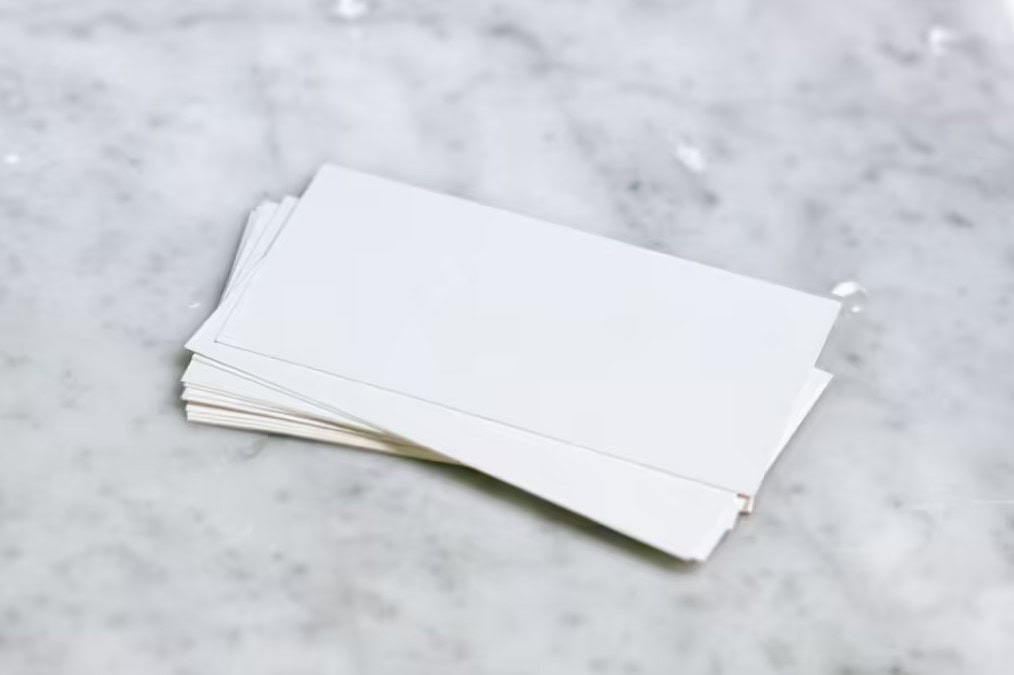
Close the window on a standard sheet of printer paper and apply gentle tension to pull it free. A properly sealed sash should grip firmly. If the paper slides out with little resistance, the weatherstripping is worn or the frame alignment has loosened.
Repeat the test along multiple points of the frame to identify whether the issue is localized or consistent across the entire sash.

Hold a small lit candle several inches from the perimeter of the window and slowly trace the outline of the frame. Keep your hand steady and watch the flame’s behavior rather than the smoke. Noticeable flickering, leaning, or sputtering indicates air being pushed or pulled through gaps in the frame, typically around deteriorated seals, warped components, or loose latches.

Suspend a lightweight curtain, sheer panel, or even a thin scarf near the window. Observe how it behaves during breezy conditions or when your HVAC system cycles on. Any inward or outward movement suggests air is entering or leaving through unintended openings.
This test is especially useful for older frames where subtle drafts are harder to detect visually.

Scan along edges, corners, and the glass perimeter using a handheld infrared thermometer. Compare these readings to the surrounding wall temperature. Areas that register significantly colder (or warmer during summer) point to thermal transfer caused by leaks.
This provides a more quantifiable method of detecting problem zones and helps distinguish between minor temperature variation and true air infiltration.
Foam tape is one of the quickest ways to seal a drafty window, especially when you’re dealing with thin, inconsistent gaps around the frame. It presses into place easily, conforms to uneven surfaces, and immediately reduces airflow. Just keep in mind that foam naturally compresses over time, so the seal weakens with repeated opening and closing.
It’s a solid short-term fix, but not a substitute for repairing failing hardware or replacing aging units.
Plastic film kits create a temporary insulating barrier by covering the entire window opening with a thin, heat-shrunk sheet. When applied correctly, the film traps a layer of still air between the wrap and the window, which acts as insulation during colder months.
It’s inexpensive, effective for winter drafts, and removable without damaging the frame. The tradeoff is that it blocks access to operable windows and must be replaced each season.
Removable caulk is designed to seal gaps without committing you to a permanent material. It’s pressed into cracks around the sash or frame and peeled off later in one piece, making it ideal for rentals or cases where you only need insulation during specific months. While easy to apply, it’s best for narrow gaps; larger structural openings or deteriorated frames will overwhelm it quickly.
For hairline cracks in the glass itself, clear nail polish can create a temporary seal that prevents air and moisture from leaking through. It dries quickly and is nearly invisible once applied.
That said, it only works for very small fissures and should be viewed strictly as a stopgap; any larger crack requires a professional repair or window replacement.

Thermal curtains use multiple fabric layers and insulating backing to reduce heat loss around drafty windows. They help retain warm air in winter and can noticeably reduce drafts in rooms with older windows. The main limitation is reduced natural light, since thicker fabrics must stay closed to offer meaningful insulation. They’re best as a supplemental tool rather than the primary fix.
Interior storm windows add a secondary pane inside your existing window frame, creating a sealed air pocket that improves insulation and reduces drafts dramatically. They’re more effective and longer-lasting than film kits, yet don’t alter your home’s exterior or require permanent remodeling. They cost more upfront but offer meaningful energy savings and comfort improvements if your frames are still structurally sound.
If the draft originates from the window style itself, these guides may help:
If DIY fixes don’t work or drafts repeatedly return, replacement may be the most reliable solution. Investing in modern replacement windows eliminates persistent sealing issues and improves energy efficiency.
When comparing materials, vinyl windows offer insulating frames and strong weather resistance, which helps reduce drafts long-term.
These additional resources can help you choose the best long-term solution:

Drafts can sneak in through worn weatherstripping, misaligned sashes, or damaged frames. Temporary fixes help, but recurring air leaks usually indicate that hardware, seals, or glass components have aged beyond practical repair. Modern insulated windows provide tighter seals, better ventilation control, and lower energy costs.
If you’re ready for a long-term fix, Renuity can help you select energy-efficient, well-sealed windows tailored to your home’s needs. Contact us today to start on a solution to your window draft issues.

As a content manager at Renuity, Francheska spent nearly two years helping homeowners discover the possibilities of transforming their spaces. Renuity is a leader in home remodeling, specializing in everything from windows and doors to bathrooms and home storage solutions, and she’s proud to be part of a team that prioritizes quality, innovation, and customer satisfaction. She graduated from Florida International University with a double major in International Business and Marketing, ranked among the top programs in the nation. Her passion for home improvement runs deep—since childhood, she’s been inspired by watching HGTV and seeing the magic of remodels come to life. Now, she channels that passion into connecting readers with ideas, tips, and solutions to create homes they love.
Renuity is backed by top industry ratings and trusted by homeowners nationwide for quality, service, and reliability.





Offer expires:

plus 12 months, no interest,no or low monthly payments
claim offer
Get a free, no-obligation estimate and see how easy it is to upgrade to your dream home. One of our local specialists will reach out to schedule your consultation—on your terms.
At Renuity, our greatest pride comes from the trust homeowners place in us and the lasting results we deliver. From seamless installations to transformative home upgrades, we’re committed to making every project simple, stress-free, and built to last. Our family of regional brands includes some of the most respected names in remodeling nationwide, all united by proven expertise and a shared commitment to exceptional service. See how we’ve made a difference for families nationwide and what they have to say about their experiences with Renuity.

Very professional, pleasant, ahead of schedule . Dealing with Danny Guthrie was pleasant and answered all our questions. Their were no other surprise costs. We loved the service, the contractors wer...
All the people we have dealt with from Renuity from the sales rep, office administration & the installers, have been very good to deal with. On the first day of the installation, they found dry rot un...
This was a very pleasant experience. Lance, my salesperson, was very professional and understood my concerns and needs. Blake and Sebastian, the installers of my new shower remodel, were friendly, har...
We have used Renuity Home Improvement (formerly FHIA) five different times, and every experience has been excellent. They replaced the windows in our previous two homes, completed our parents’ two hom...
We are so pleased with our new shower ! The installing crew were friendly, professional and on time. The appearance of the modern shower is so lovely. We would recommend this company 100% if you wa...
Excellent salesman Wesley was .kind, friendly and knowledgeable...great guy. The brothers were Excellent and beyond, superb work by them and they were fast with the installation. No better place to h...
We had a roof and windows installed by this company. We had 4 companies we were interviewing. FHIA was the second one we met with. Josh came to our home to present their products and servies to us. I...
Great workmanship. Great job. The workers was very professional and explained the installation. Clean up after the job was completed. I would definitely recommend this crew to anyone interest. Thanks...
Conde was very nice and professional with his work , and they kept me informed of the job as it went forward. These are nice windows that should be trouble free for a long time. They were thorough thr...
Now that windows all installed I am pleased with the work, clean up, craftsmanship of products I am pleased. Conscientious of others property. Installed with great care of surroundings. Do recommend...